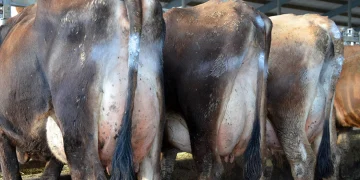
Livestock Breeders in the United States play a major role in food production, dairy supply, meat quality, herd productivity, animal health, reproductive efficiency, and farm profitability. Their work supports cattle ranchers, dairy farms, swine producers, poultry companies, sheep breeders, goat farms, seedstock operations, artificial insemination providers, and commercial livestock buyers.
The sector includes beef cattle breeders, dairy genetics companies, swine genetics firms, poultry breeding companies, sheep and goat breeders, embryo transfer specialists, semen suppliers, breed associations, and local seedstock producers. Good breeding decisions affect growth rate, feed efficiency, fertility, milk production, carcass quality, disease resistance, calving ease, maternal traits, temperament, and long-term herd improvement.
The U.S. livestock industry is highly diverse. A commercial beef ranch choosing Angus bulls has different needs from a dairy operation selecting Holstein genetics, a swine integrator choosing terminal sires, or a poultry company sourcing broiler breeding stock. That is why the best Livestock Breeders are not simply the biggest names. They are the providers with proven genetics, transparent records, strong health protocols, reliable customer support, and animals suited to the buyer’s production system.
This guide profiles leading Livestock Breeders in the United States and explains how farmers, ranchers, investors, meat producers, dairy operators, and commercial buyers should evaluate livestock genetics.
Industry Overview: Livestock Breeders in the United States
The U.S. livestock breeding sector covers several species and business models. Beef cattle breeders supply bulls, heifers, embryos, and semen for commercial ranches and seedstock herds. Dairy genetics firms provide semen, embryos, genomic testing, mating programs, and herd-improvement services. Swine genetics companies provide breeding stock, boars, gilts, semen, and genetic programs for pork production. Poultry genetics firms supply broiler, layer, and turkey breeding stock to integrated poultry companies.
Breeding decisions are increasingly data-driven. Buyers now evaluate expected progeny differences, genomic indexes, feed conversion, fertility, longevity, health traits, milk components, carcass merit, animal welfare, disease resistance, and climate suitability. Artificial insemination, embryo transfer, in vitro fertilization, genomic testing, and digital herd records have changed how livestock breeders operate.
Major opportunities include higher productivity, better animal health, lower emissions per pound of meat or milk, improved feed efficiency, stronger disease resilience, and premium-quality genetics. Challenges include animal disease risk, biosecurity, climate stress, feed costs, market volatility, consolidation, and customer demand for traceability.
Ranking Methodology
This directory evaluates livestock breeders and genetics providers based on U.S. market relevance, genetic reputation, species coverage, breeding records, customer support, biosecurity, technology adoption, geographic reach, commercial usefulness, and buyer value.
Because livestock breeding includes seedstock ranches, genetic companies, breed associations, artificial insemination firms, and local breeders, this list includes both national genetics providers and practical breeder categories.
Best Livestock Breeders in the United States
Select Sires
Overview
Select Sires is one of the most important dairy and beef genetics cooperatives in the United States. It supplies semen, reproductive services, herd-management tools, and genetic improvement programs for dairy and beef producers.
Services Offered
Dairy semen, beef semen, artificial insemination, reproductive services, genetic consulting, genomic testing support, mating programs, herd management tools, and fertility products.
Industries Served
Dairy farms, beef producers, veterinarians, reproductive technicians, ranches, and livestock genetics buyers.
Notable Projects
Select Sires is widely used by U.S. dairy and beef producers seeking artificial insemination and genetic improvement.
Competitive Advantages
Its advantage is cooperative ownership, broad semen catalog, reproductive service network, and strong dairy genetics reputation.
Headquarters
Plain City, Ohio.
Website
selectsires.com
Why It Stands Out
Select Sires stands out for dairy genetics, beef semen, artificial insemination, and practical herd-improvement support.
STgenetics
Overview
STgenetics is a major animal genetics company known for sexed semen, dairy genetics, beef genetics, reproductive technologies, and genomic services. It is especially relevant for dairy producers seeking targeted female calf production and genetic progress.
Services Offered
Sexed semen, dairy genetics, beef genetics, genomic testing, embryo technologies, reproductive services, and genetic consulting.
Industries Served
Dairy farms, beef producers, AI technicians, embryo transfer programs, veterinarians, and livestock operations.
Notable Projects
STgenetics is known internationally for sex-sorted semen technology and advanced reproductive genetics.
Competitive Advantages
Its advantage is reproductive technology, sexed semen, and high-value dairy and beef genetics.
Headquarters
Navasota, Texas.
Website
stgen.com
Why It Stands Out
STgenetics stands out for sexed semen, genomic selection, dairy genetics, and advanced reproductive technology.
ABS Global
Overview
ABS Global is a major bovine genetics company serving dairy and beef producers across the United States. It offers semen, genetic consulting, reproductive tools, and breeding programs designed to improve herd productivity.
Services Offered
Dairy semen, beef semen, genetic programs, artificial insemination support, reproductive consulting, genomic solutions, and herd improvement tools.
Industries Served
Dairy operations, beef ranches, commercial cattle producers, veterinarians, and livestock genetics buyers.
Notable Projects
ABS Global is widely recognized in cattle genetics and serves producers through a broad genetic portfolio.
Competitive Advantages
ABS Global’s advantage is global bovine genetics reach, data-backed selection, and strong dairy and beef programs.
Headquarters
DeForest, Wisconsin.
Website
absglobal.com
Why It Stands Out
ABS Global stands out for cattle genetics, dairy and beef semen, reproductive support, and herd improvement.
Genus PIC
Overview
Genus PIC is one of the leading swine genetics companies serving U.S. pork producers. It provides breeding stock, semen, genetic programs, and technical support for pork production systems focused on growth, feed efficiency, reproduction, and carcass quality.
Services Offered
Swine genetics, terminal sires, maternal lines, boars, gilts, semen, genetic consulting, data systems, and technical production support.
Industries Served
Commercial pork producers, integrated swine companies, breeding farms, pork processors, and livestock investors.
Notable Projects
PIC genetics are used in commercial pork production systems across the United States and internationally.
Competitive Advantages
Its advantage is swine genetics scale, data systems, commercial production focus, and technical support.
Headquarters
U.S. operations serve major pork-producing regions.
Website
pic.com
Why It Stands Out
PIC stands out for swine genetics, commercial pork productivity, feed efficiency, and breeding-system support.
DNA Genetics
Overview
DNA Genetics is a major swine genetics company serving commercial pork producers with breeding stock, genetic programs, semen, and technical support. It focuses on improving performance across reproduction, growth, feed conversion, and pork quality.
Services Offered
Swine breeding stock, terminal sires, maternal lines, semen, genetic evaluation, production consulting, and herd-improvement programs.
Industries Served
Pork producers, swine integrators, breeding farms, genetic multipliers, and commercial livestock operations.
Notable Projects
DNA Genetics supports commercial pork production systems throughout major U.S. swine regions.
Competitive Advantages
Its advantage is practical commercial swine genetics and producer-focused technical service.
Headquarters
Columbus, Nebraska.
Website
dnaswinegenetics.com
Why It Stands Out
DNA Genetics stands out for swine breeding stock, pork production efficiency, and commercial genetic programs.
Hendrix Genetics
Overview
Hendrix Genetics is a global multi-species animal breeding company with relevance in the U.S. market. Its work includes poultry, swine, aquaculture, turkeys, layers, and other animal genetics lines.
Services Offered
Poultry genetics, swine genetics, layer genetics, turkey genetics, aquaculture genetics, breeding stock, technical support, and genetic improvement programs.
Industries Served
Poultry producers, egg producers, turkey companies, swine operations, aquaculture businesses, and integrated livestock companies.
Notable Projects
Hendrix Genetics is active across several animal protein sectors and supplies genetics to commercial producers.
Competitive Advantages
Its advantage is multi-species breeding experience and commercial animal-protein genetics.
Headquarters
Global headquarters: Netherlands. U.S. operations serve poultry and livestock markets.
Website
hendrix-genetics.com
Why It Stands Out
Hendrix Genetics stands out for poultry, swine, aquaculture, and multi-species breeding programs.
Cobb-Vantress
Overview
Cobb-Vantress is one of the most important poultry breeding companies serving the U.S. broiler industry. It supplies broiler breeding stock and genetic lines used by poultry companies focused on meat production.
Services Offered
Broiler genetics, parent stock, grandparent stock, technical support, poultry breeding programs, hatchery support, and flock performance guidance.
Industries Served
Integrated poultry companies, hatcheries, broiler producers, feed companies, and poultry supply chains.
Notable Projects
Cobb genetics are used by major poultry producers in the United States and global markets.
Competitive Advantages
Its advantage is broiler genetics, technical support, and close integration with commercial poultry production.
Headquarters
Siloam Springs, Arkansas.
Website
cobb-vantress.com
Why It Stands Out
Cobb-Vantress stands out for broiler genetics, poultry performance, and meat-chicken breeding systems.
Aviagen
Overview
Aviagen is a leading poultry genetics company known for broiler breeding stock, including Ross and other poultry brands. It serves commercial poultry producers and integrated chicken companies across the United States and worldwide.
Services Offered
Broiler breeding stock, parent stock, grandparent stock, poultry genetics, hatchery guidance, technical support, nutrition guidance, and flock-management resources.
Industries Served
Poultry integrators, hatcheries, broiler producers, feed companies, and poultry processors.
Notable Projects
Aviagen’s Ross genetics are widely used in commercial broiler production.
Competitive Advantages
Its advantage is global poultry breeding scale, technical service, and strong commercial broiler performance.
Headquarters
U.S. operations: Huntsville, Alabama region.
Website
aviagen.com
Why It Stands Out
Aviagen stands out for broiler genetics, poultry technical support, and commercial chicken production.
American Angus Association
Overview
The American Angus Association is not a single livestock breeder, but it is one of the most important breed organizations in U.S. beef cattle genetics. It supports Angus breeders through registration, genetic evaluation, expected progeny differences, performance data, and marketing tools.
Services Offered
Breed registration, genetic evaluation, EPDs, performance data, breeder tools, genomic testing support, marketing programs, and member services.
Industries Served
Angus breeders, commercial ranchers, seedstock producers, cattle buyers, feedlots, and beef supply chains.
Notable Projects
The association supports one of the most influential beef cattle breeds in the United States.
Competitive Advantages
Its advantage is data-backed Angus breed records and a large breeder network.
Headquarters
St. Joseph, Missouri.
Website
angus.org
Why It Stands Out
The American Angus Association stands out because Angus genetics are central to U.S. beef production and seedstock marketing.
Local Seedstock Cattle, Sheep, and Goat Breeders
Overview
Many of the best Livestock Breeders in the United States are local or regional seedstock producers specializing in specific breeds and production environments. These breeders may focus on Angus, Hereford, Simmental, Charolais, Brahman, Brangus, Red Angus, Boer goats, Dorper sheep, Katahdin sheep, dairy goats, or regional composite breeds.
Services Offered
Breeding bulls, replacement heifers, rams, bucks, does, ewes, embryos, semen, registered animals, commercial breeding stock, performance records, and herd consulting.
Industries Served
Ranchers, commercial livestock producers, small farms, 4-H and FFA families, show livestock buyers, meat producers, and breeding operations.
Notable Projects
Most local breeding programs are not publicly listed, but sale catalogs, registry records, health documents, and buyer references are important.
Competitive Advantages
Their advantage is local adaptation. Animals bred in similar climate, forage, disease, and management conditions often perform better for regional buyers.
Headquarters
Varies by state and breed.
Website
Varies by breeder.
Why It Stands Out
For many livestock buyers, a reputable local seedstock breeder may be the best source of animals that fit local climate, forage, and market conditions.
Industry Trends Affecting Livestock Breeders
Genomic Selection
Genomic testing helps breeders identify genetic potential earlier and more accurately. It is especially important in dairy, beef, swine, and poultry breeding programs.
Artificial Insemination and Embryo Transfer
AI, embryo transfer, and IVF allow producers to access elite genetics without owning every breeding animal. These tools accelerate herd improvement.
Feed Efficiency
Feed is one of the largest livestock production costs. Breeders are increasingly selecting for animals that convert feed into meat, milk, or eggs more efficiently.
Animal Health and Disease Resistance
Disease risk and biosecurity concerns are pushing buyers to prioritize health records, vaccination programs, testing, and resilient genetics.
Climate Adaptation
Heat tolerance, parasite resistance, fertility under stress, and ability to perform on lower-quality forage are becoming more important in many regions.
Traceability and Data
Buyers increasingly expect records on pedigree, performance, genomics, health, carcass traits, milk production, and management history.
Buyer’s Guide: How to Choose Livestock Breeders
Match Genetics to Your Production System
The best animal is not always the highest-priced animal. Choose genetics suited to climate, feed resources, labor, market, breeding season, and management level.
Review Performance Records
Ask for EPDs, genomic data, milk records, litter data, feed conversion, carcass traits, fertility records, and health history where applicable.
Check Biosecurity
A strong breeder should have health protocols, vaccination records, testing records, quarantine practices, and disease-prevention policies.
Inspect Animals Carefully
Look at structure, feet, legs, udder quality, temperament, body condition, reproductive soundness, and breed suitability.
Ask About After-Sale Support
Good breeders help customers understand breeding decisions, replacement selection, nutrition, health, and marketing.
Watch for Red Flags
Red flags include no health records, no performance data, poor animal condition, unclear registration status, weak biosecurity, exaggerated claims, and unwillingness to provide references.
Why Livestock Breeders Matter in the United States
Livestock breeders shape the future productivity of beef, dairy, pork, poultry, sheep, goat, and specialty livestock systems. Their decisions affect farm profitability, food supply, meat quality, milk production, animal welfare, feed efficiency, and environmental impact.
Good breeding improves fertility, growth, health, longevity, and product quality. Poor breeding decisions can create calving difficulty, weak fertility, poor feed conversion, disease vulnerability, structural problems, and lower market value.
As livestock producers face higher costs, animal health challenges, consumer expectations, and climate pressure, Livestock Breeders in the United States will remain essential to efficient and resilient animal agriculture.
Conclusion
The leading Livestock Breeders in the United States include Select Sires, STgenetics, ABS Global, Genus PIC, DNA Genetics, Hendrix Genetics, Cobb-Vantress, Aviagen, the American Angus Association, and reputable local seedstock breeders. Select Sires, STgenetics, and ABS Global are especially important in cattle genetics. PIC and DNA Genetics are strong in swine. Cobb-Vantress and Aviagen are central to poultry breeding. Hendrix Genetics brings multi-species breeding expertise. The American Angus Association supports one of the most important U.S. beef breeds. Local breeders remain essential for cattle, sheep, goats, and regionally adapted livestock.
For buyers, the best livestock breeder is the one with proven genetics, transparent records, strong health protocols, practical production knowledge, and animals suited to the buyer’s farm or ranch.
Frequently Asked Questions
What are the best Livestock Breeders in the United States?
Some of the best-known Livestock Breeders and genetics providers in the United States include Select Sires, STgenetics, ABS Global, Genus PIC, DNA Genetics, Hendrix Genetics, Cobb-Vantress, Aviagen, the American Angus Association, and reputable local seedstock cattle, sheep, and goat breeders. The best choice depends on species, breed, production goals, location, disease risk, and whether the buyer needs semen, embryos, breeding stock, or live animals.
What does a livestock breeder do?
A livestock breeder selects, mates, raises, and sells animals or genetic material to improve production traits. This may include cattle bulls, dairy semen, swine breeding stock, poultry parent stock, sheep rams, goat bucks, embryos, or registered breeding animals. Breeders focus on traits such as growth, fertility, milk production, feed efficiency, carcass quality, disease resistance, temperament, and maternal ability.
How do I choose a livestock breeder?
Choose a livestock breeder based on performance records, health protocols, genetic data, buyer references, breed reputation, animal condition, and suitability for your production system. A good breeder should explain why specific genetics fit your climate, forage, market, and management style. Avoid buying animals based only on appearance or price.
Which livestock breeders are best for cattle genetics?
Select Sires, STgenetics, ABS Global, the American Angus Association network, and reputable seedstock ranches are important cattle genetics sources. The best choice depends on whether the buyer needs dairy genetics, beef semen, breeding bulls, replacement females, embryos, Angus genetics, or other breed-specific animals.
Which companies are best for swine genetics?
Genus PIC and DNA Genetics are among the best-known swine genetics companies serving U.S. pork producers. Buyers should evaluate growth rate, feed conversion, litter size, maternal ability, carcass quality, disease status, biosecurity, and technical support before choosing a swine genetics provider.
Which companies are best for poultry genetics?
Cobb-Vantress and Aviagen are two of the most important poultry genetics companies serving broiler production. Hendrix Genetics is also important in poultry and other species. Poultry buyers should evaluate breeder performance, hatchability, feed conversion, growth rate, livability, and technical support.
What are EPDs in livestock breeding?
EPDs, or expected progeny differences, are genetic predictions used to estimate how an animal’s offspring may perform for specific traits. In beef cattle, EPDs may cover birth weight, weaning weight, yearling weight, calving ease, milk, carcass traits, and maternal traits. EPDs help buyers compare animals more objectively than appearance alone.
Are registered livestock better than commercial livestock?
Registered livestock are recorded with a breed association and usually have pedigree information. They can be valuable for seedstock breeding and genetic improvement. Commercial livestock may be better for meat, milk, or practical production if they fit the buyer’s goals. Registration alone does not guarantee performance, health, or profitability.
What are warning signs of a weak livestock breeder?
Warning signs include no health records, no performance data, poor animal condition, unclear pedigree, no biosecurity practices, unwillingness to provide references, exaggerated genetic claims, and animals that do not match the buyer’s environment. Buyers should also be cautious when sellers cannot explain breeding goals clearly.
Why are Livestock Breeders important?
Livestock Breeders are important because genetics influence productivity, animal health, meat quality, milk production, fertility, feed efficiency, and long-term profitability. Good breeding decisions improve herds and flocks for years, while poor decisions can create costly problems across generations.
Read Also: Greenhouse Builders in the United States