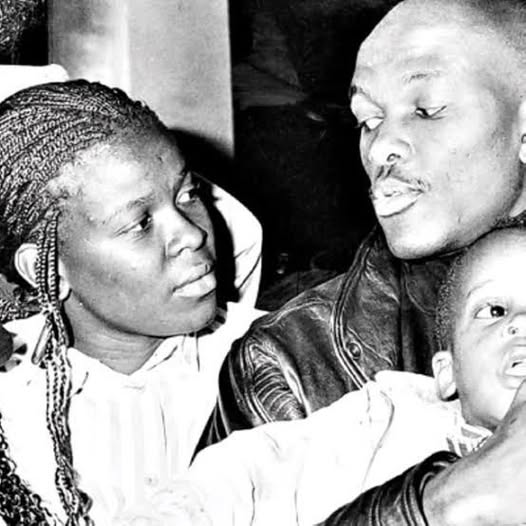
Robert Wangila’s burial dispute reached its conclusion in November 1994 after months of legal battles, with the High Court ruling that the Olympic gold medalist be buried in Nairobi according to Islamic rites. The decision followed intense proceedings that involved competing family claims, religious arguments, and cultural assertions.
The ruling, delivered by Justice Andrew Hayanga on November 17, 1994, affirmed Grace Akinyi as Wangila’s lawful widow and executor of his burial wishes. It also ordered that he be buried at Kariokor Muslim Cemetery, in line with his conversion to Islam and expressed wishes in his will.
Robert Wangila Burial Case and Court Testimony
During the hearings, the court heard testimony from several witnesses, including Hillary Ojiambo, who appeared both as a medical expert and as chairman of the Ababukaki clan of Samia.
Ojiambo told the court that, as a clan leader, he was under obligation to ensure Wangila was buried in Sio Port. He warned that failure to do so could lead to serious consequences, including curses from clan members, loss of leadership position, and denial of access to land.
The testimony introduced the role of traditional beliefs and social pressure in the dispute, highlighting the intersection between customary expectations and legal proceedings.
Claims of Spiritual Influence
Wangila’s mother, Eunice Moraa Mabeche, also presented testimony that included claims of spiritual encounters. She told the court that she had been troubled by what she described as her son’s spirit, which allegedly demanded burial according to Gusii customs.
Moraa further argued that Wangila’s will should be dismissed, stating that it contradicted Abagusii traditions by assigning burial authority to a woman. She also denied knowledge of the will and questioned its validity.
Contradictions in Testimony
Justice Hayanga scrutinized Moraa’s evidence and identified multiple inconsistencies. The court noted contradictions in her statements regarding her relationship with Grace Akinyi, her personal history, and her knowledge of events surrounding Wangila’s death.
For example, Moraa initially claimed she had never met Akinyi until the body returned from the United States. However, she later admitted attending Akinyi’s father’s funeral earlier that year.
Other inconsistencies included conflicting accounts about her baptism, residence history, and communication with Akinyi following Wangila’s death.
The judge also considered photographic evidence showing Moraa protesting at Lee Funeral Home, contradicting her earlier denial of such actions.
Paternity Dispute in Robert Wangila Burial Case
The case also involved conflicting claims over Wangila’s paternity. Moraa maintained that only two men had been her husbands, while rejecting claims linking Wangila to Daudi Magero Obuke.
However, the Busia claimants presented evidence suggesting that Obuke was Wangila’s biological father. Justice Hayanga acknowledged that their account appeared credible and concluded that Wangila was indeed Obuke’s son.
Despite this finding, the court determined that paternity did not override the legal authority of the will or the rights of the designated next of kin.
Final Ruling in Robert Wangila Burial Case
In his judgment, Justice Hayanga ruled that Wangila’s burial should proceed according to Islamic rites. He emphasized that the deceased’s wishes, as expressed in his will, should take precedence.
The court also confirmed that Grace Akinyi remained Wangila’s lawful wife, noting that there was no evidence to support claims of divorce.
Lawyer Dr. John Khaminwa, representing the Samia claimants, reacted to the ruling by announcing plans to appeal and seeking a stay of execution.
Burial and Final Journey
On November 22, 1994, four months after his death, Wangila’s body was finally laid to rest. At approximately 1:30 PM, the body was placed in a bier, wrapped in green and red velvet cloth, and transported in a procession through Nairobi before burial at Kariokor Muslim Cemetery.
The burial marked the end of one of Kenya’s most high-profile legal disputes involving a public figure.
Legacy and Aftermath
Wangila was survived by his wife Grace Akinyi and their two children, Zina and Farouk. Following the burial, Akinyi relocated to the United States with the children.
The Robert Wangila burial case remains a landmark in Kenya’s legal history, illustrating the complexities that arise when law, religion, culture, and family intersect.
Outlook on Legal and Cultural Precedent
The case set a precedent in affirming the importance of wills and personal wishes in burial disputes. It also highlighted the challenges courts face in balancing competing claims rooted in tradition and modern legal frameworks.