Robert Wangila remains one of Kenya’s most significant sporting figures, remembered for winning the country’s only Olympic gold medal outside athletics and for a career that ended in tragedy. Born on September 3, 1967, in Jericho, Nairobi, Wangila rose from local boxing circuits to global recognition before his death in 1994 following a professional fight in Las Vegas.
His legacy continues to stand out in Kenya’s sporting history, particularly in boxing, where he remains the only athlete from Sub-Saharan Africa to have won an Olympic gold medal in the sport.
Robert Wangila Early Life and Background
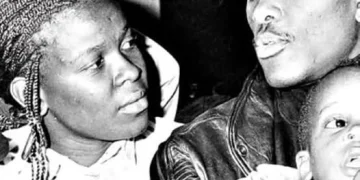
Robert Wangila was born into a multicultural family. His father came from the Samia sub-tribe of the Luhya community, while his mother was from the Kisii community. He later married a woman from the Luo community, reflecting a background that cut across several Kenyan ethnic groups.
He began his boxing career at the Kenya Breweries Boxing Club, one of the country’s leading training grounds for amateur fighters at the time. It was here that he developed his technique and built a reputation as a formidable competitor.
Robert Wangila Amateur Career Dominance
Wangila quickly established himself as one of the most dominant amateur boxers in Kenya. He recorded an exceptional record of 175 wins against only 5 losses, with 165 victories coming by knockout.
His dominance in the welterweight division left him with limited local competition. As a result, he progressed rapidly through the ranks, becoming one of Kenya’s leading boxing prospects.
His performances in the amateur circuit set the stage for his entry onto the international stage.
Robert Wangila Olympic Gold Achievement
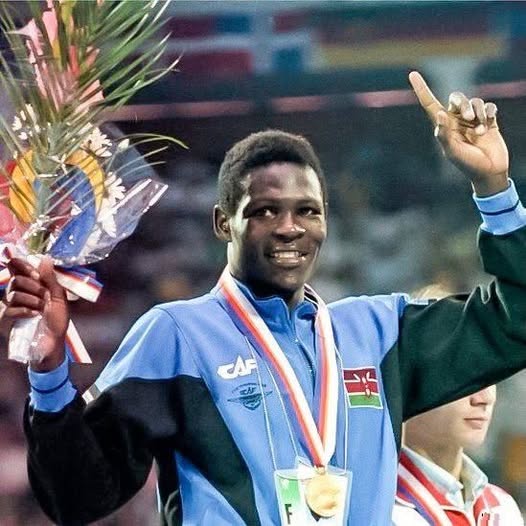
The defining moment of Wangila’s career came at the 1988 Summer Olympics, where he competed in the men’s welterweight boxing category.
He won the gold medal, becoming the first Kenyan to achieve Olympic success in a non-athletics event. The victory also marked a broader milestone, as he became the first and only boxer from Sub-Saharan Africa to win Olympic gold.
The achievement elevated Wangila to national prominence and secured his place in Kenya’s sporting history.
Transition to Professional Boxing
Following his Olympic success, Wangila moved to the United States to pursue a professional boxing career. He settled in Las Vegas, a major center for the sport.
During his professional career, he recorded over 22 wins and five losses. His transition from amateur to professional boxing reflected a broader ambition to compete at the highest levels of the sport.
Robert Wangila Final Fight and Death
Wangila’s career ended tragically in 1994 following a professional bout against David Gonzales at the Aladdin Hotel in Las Vegas.
He entered the fight as the favored contender. However, in the ninth round, the momentum shifted, and the fight was stopped after he sustained significant injuries.
Shortly after the bout, Wangila collapsed. A ringside examination was conducted by Dr. Robert Voy, but he could not be revived.
His death brought international attention to the risks associated with professional boxing and raised questions about safety in the sport.
Robert Wangila Legacy in Kenyan Sport
Wangila’s Olympic victory remains Kenya’s only gold medal outside track and field events. His success demonstrated the potential of Kenyan athletes in disciplines beyond athletics.
His career also inspired a generation of boxers and highlighted the importance of investment in sports infrastructure and training.
Broader Impact and Reflection
The story of Robert Wangila reflects both achievement and tragedy. His rise from local boxing clubs to Olympic champion illustrates the opportunities available through sport.
At the same time, his death underscores the physical risks associated with professional boxing and the need for continued attention to athlete safety.
Outlook on Historical Significance
Robert Wangila’s legacy continues to shape discussions around sports development in Kenya. His achievements remain a benchmark in boxing, while his story serves as a reminder of both the rewards and risks of competitive sport.