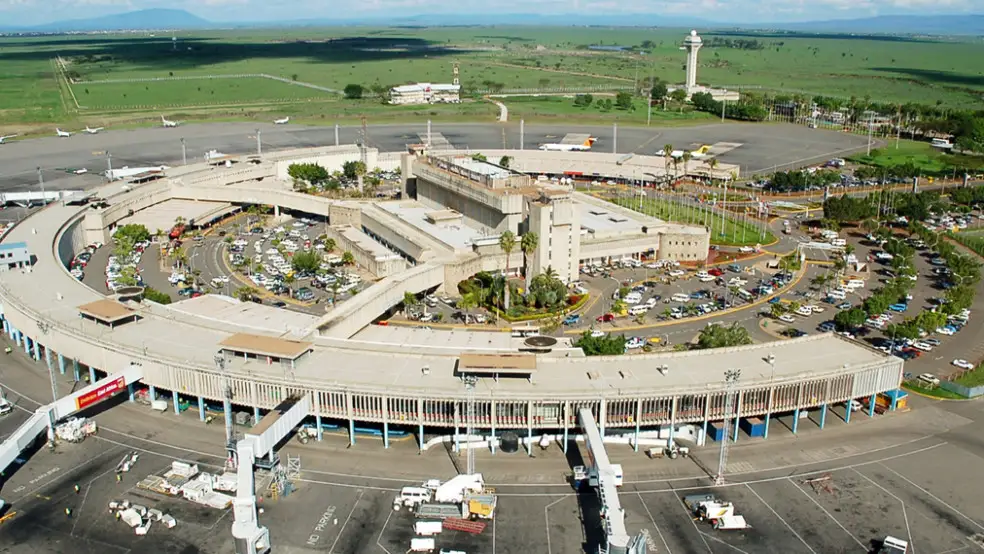
Kenya has signed a $1.2 billion JKIA expansion agreement with China Road and Bridge Corporation, reviving the country’s long-delayed plan to modernise Jomo Kenyatta International Airport and defend Nairobi’s position as a regional aviation hub.
Transport Cabinet Secretary Davis Chirchir said the contract is valued at Sh154.2 billion and will cover a new terminal, upgrades to existing infrastructure, a new runway, airside and landside improvements, and aviation systems modernisation. The project is expected to raise JKIA’s annual passenger capacity from about 7.5 million to 22 million. Reuters also reported the value and capacity targets, citing the government announcement.
The signing is politically significant because it replaces the controversial Adani Group airport proposal, which President William Ruto cancelled in November 2024 after US authorities indicted Gautam Adani and other executives on bribery and fraud charges.
Chirchir also pushed back against reports linking Zimbabwean businessman Wicknell Chivayo to the winning bid, saying no Chivayo-linked company submitted a bid for the JKIA contract. The government named China Road and Bridge Corporation as the signatory.
The deal comes as Kenya faces sharper aviation competition from Ethiopia and Rwanda. Ethiopia has begun work on the $12.5 billion Bishoftu International Airport, planned to handle up to 110 million passengers annually.
JKIA Expansion Deal Gives Kenya a New Aviation Roadmap
The JKIA expansion agreement gives Kenya a formal contractor and a defined contract value after months of public debate over the future of the country’s main airport.
The government says China Road and Bridge Corporation will deliver a modernisation programme intended to lift capacity, improve passenger handling and upgrade critical airport systems. Africanews also reported that the project is intended to nearly triple JKIA’s capacity to 22 million passengers a year.
The project includes:
A new passenger terminal
The new terminal is expected to ease congestion and support future passenger growth. JKIA has long operated under pressure from rising passenger volumes, expanding cargo demand and the needs of international airlines.
A new runway and upgraded airside operations
The runway component is important for operational resilience. A larger and more efficient airside system can reduce delays, improve aircraft movement and support Nairobi’s ambitions as a regional transit point.
Modernised landside and aviation systems
The upgrade also covers landside access and aviation systems, areas that affect passenger experience, cargo processing, safety, security and airport efficiency.
Background: Why This Story Matters
JKIA is Kenya’s most important aviation asset. It serves as the country’s main international gateway and supports tourism, diplomacy, trade, logistics, horticulture exports and multinational operations.
The airport is especially important for time-sensitive exports such as flowers, fresh produce and pharmaceuticals. These sectors depend on efficient air cargo operations to reach international markets.
The expansion also matters because Nairobi is no longer competing only domestically. Addis Ababa, Kigali and other regional hubs are investing heavily in aviation infrastructure. Ethiopia’s Bishoftu airport project is particularly significant because of its planned scale and Ethiopian Airlines’ continental reach.
For Kenya, failing to modernise JKIA would risk weakening Nairobi’s position in passenger traffic, cargo handling and airline connectivity.
Key Details From the Development
China Road and Bridge Corporation signed the contract
The government confirmed CRBC as the signatory to the Sh154.2 billion contract. CRBC is a subsidiary of China Communications Construction Company.
Contract value set at Sh154.2 billion
Chirchir said the final award would not exceed Sh154.2 billion, pushing back against separate claims that the project could cost as much as Sh375 billion.
Government denies Chivayo-linked bid
The Transport CS said no company linked to Wicknell Chivayo submitted a bid for the JKIA contract. This clarification followed reports questioning the composition of the winning consortium.
Financing to involve African institutions
Kenya’s financing model is expected to rely on airport-generated revenue, with the Africa Finance Corporation and Trade and Development Bank appointed as financial arrangers. Reuters also reported that AFC and TDB would arrange financing for the project.
Impact on Investors, Businesses and the Economy
For investors, the JKIA expansion signals renewed infrastructure momentum after the collapse of the Adani proposal.
For exporters, a more efficient airport could improve reliability, reduce delays and support faster movement of goods. This is particularly important for Kenya’s flower, fresh produce and high-value cargo sectors.
For airlines, expanded capacity could make Nairobi more attractive for route development, connections and cargo operations.
For taxpayers and public finance watchers, the key issue will be funding discipline. The government has stated the project value, but investors and citizens will watch how financing is structured, how airport revenues are used and whether cost overruns emerge.
Market, Policy and Industry Context
The JKIA project sits at the intersection of infrastructure, regional competition and public-private financing.
Kenya had earlier pursued an airport deal with Adani Group, but the proposal became politically toxic after protests, worker concerns, court challenges and later the US indictment of Adani executives. AP reported that the cancelled Adani airport deal had sparked protests and a workers’ strike over job and working-condition concerns.
The CRBC agreement gives the government a new route, but it will still face public scrutiny. Airport projects involve large sums, long timelines and strategic national assets. Transparency will therefore remain central.
What Comes Next
Construction is expected to begin after financial close, with the government indicating a timeline of about three years.
Readers should watch:
Financing closure
The project cannot fully move without firm financing arrangements.
Procurement transparency
The government will need to keep explaining the contract structure, funding sources and safeguards.
Construction timelines
Large airport projects often face delays. Meeting the three-year target will be a major test.
Regional aviation competition
Ethiopia’s Bishoftu project and Rwanda’s continued aviation investment will keep pressure on Kenya to deliver quickly.
Expert Analysis
The JKIA expansion is not just an airport project. It is a test of Kenya’s ability to execute strategic infrastructure after a politically damaging procurement controversy.
The CRBC deal gives the government a cleaner implementation path than the cancelled Adani proposal, but it does not remove public concern over cost, debt exposure and transparency.
The economic case for expanding JKIA is strong. Nairobi needs a larger, more efficient airport to support trade, tourism, cargo and regional connectivity. However, the project will only deliver full value if financing is sustainable and construction is completed without major delays or cost escalation.
Kenya’s challenge is to modernise JKIA while maintaining public trust.
Frequently Asked Questions
What is the main issue?
Kenya has signed a Sh154.2 billion, or $1.2 billion, deal with China Road and Bridge Corporation to expand JKIA.
Why does the JKIA expansion matter?
JKIA is Kenya’s main international airport and a critical hub for passengers, cargo, tourism, trade and regional business connectivity.
Who signed the JKIA contract?
The government named China Road and Bridge Corporation as the signatory.
Was Wicknell Chivayo’s company involved?
Transport CS Davis Chirchir said no Chivayo-linked company submitted a bid for the JKIA contract.
What will the project include?
The project includes a new terminal, a new runway, rehabilitation of existing infrastructure, airside and landside upgrades, and aviation systems modernisation.
How much will the project cost?
The contract value is Sh154.2 billion, equivalent to about $1.2 billion.
What happens next?
The next major step is financial close, followed by construction, which the government expects to take about three years.
Conclusion
Kenya’s $1.2 billion JKIA expansion deal with China Road and Bridge Corporation gives the country a new path to modernise its most important airport after the collapse of the Adani proposal.
The project could nearly triple passenger capacity, strengthen cargo operations and help Nairobi compete more effectively with rising African aviation hubs. But its success will depend on transparent financing, disciplined execution and timely delivery.
For Kenya, JKIA is more than an airport. It is a gateway for trade, tourism, diplomacy and regional influence. The CRBC agreement now turns that strategic ambition into a major implementation test.
Read Also: Court Clears Distribution of Simeon Nyachae Estate