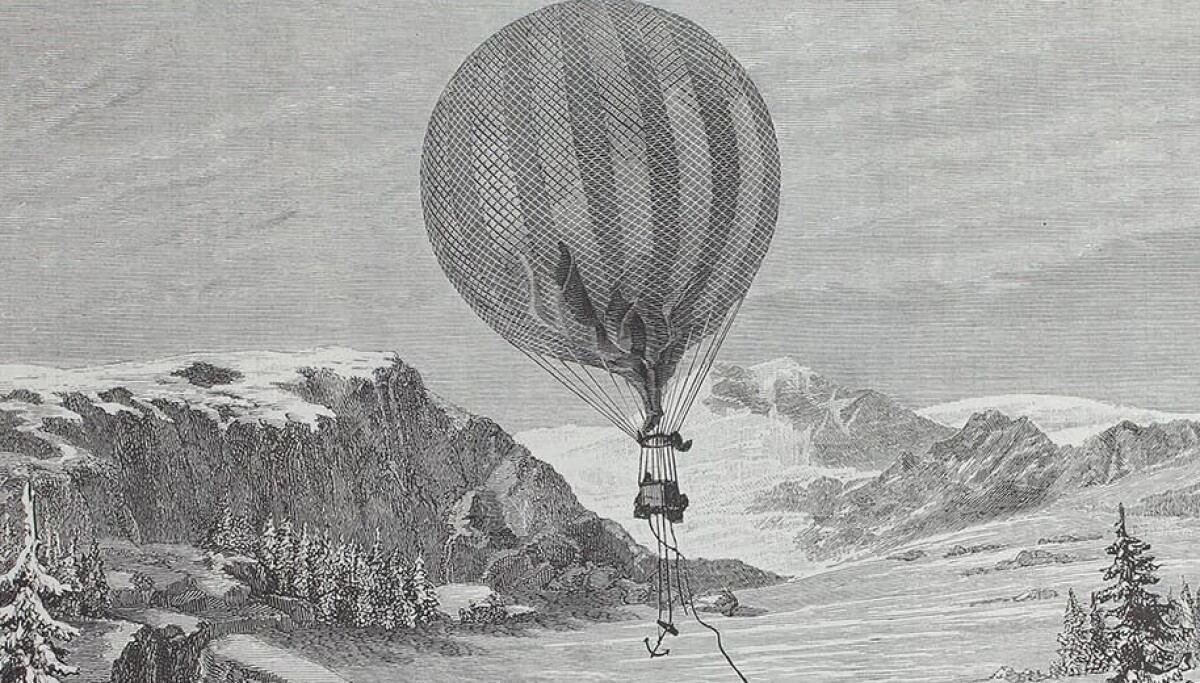
The Barcelona balloon accident of 7 August 1905 was a fatal early aviation incident during a public aerial exhibition in Spain. The balloon was operated by Vicente Purroy Gracia, and the flight began from the Barcelona Bullring before ending in tragedy after the balloon came into contact with telephone wires.
The accident occurred during an era when balloon ascents were popular public spectacles across Europe. Crowds gathered to watch aeronauts rise above cities, fairgrounds, bullrings, parks, and exhibition grounds. These events were exciting because flight itself was still rare, but they also carried serious danger. Balloon pilots had limited control over wind direction, landing sites, obstacles, and urban hazards.
In the Barcelona case, the danger came not from a destroyed balloon or fire, but from the surrounding city environment. The aircraft damage was recorded as minor, but the pilot was killed after the balloon struck telephone wires and he fell to the ground.
The incident remains poorly documented compared with better-known early aviation accidents. Its known details appear to come mainly from contemporary newspaper reporting, including La última Hora of 8 August 1905, and later aviation accident summaries.
Basic Accident Details
| Detail | Information |
|---|---|
| Date | Monday, 7 August 1905 |
| Aircraft type | Balloon |
| Owner/operator | Vicente Purroy Gracia |
| Registration | None |
| Occupants | 1 |
| Fatalities | 1 |
| Other fatalities | 0 |
| Aircraft damage | Minor |
| Location | Barcelona, Spain |
| Departure point | Barcelona Bullring |
| Intended destination | Barcelona Bullring |
| Phase | En route |
| Nature of flight | Demonstration / public exhibition |
| Reported cause | Contact with telephone wires during exhibition flight |
Who Was Vicente Purroy Gracia?
Vicente Purroy Gracia was the balloon operator involved in the 1905 Barcelona accident. Based on the available accident record, he was the sole occupant of the balloon and the fatal victim.
Very little easily available biographical information survives in widely accessible aviation sources. That is not unusual for early ballooning figures, especially those whose careers were documented mainly in local newspapers rather than in later aviation histories.
However, his role in this incident places him within the wider world of early twentieth-century public aeronauts. These were performers, pilots, exhibitors, and risk-takers who brought the spectacle of flight to urban crowds before airplanes became common.
In 1905, balloonists were still among the most visible people in aviation. Powered airplanes were in their infancy, and many members of the public experienced flight not through aircraft engines but through balloons rising above public venues.
Why Balloon Exhibitions Were Popular in 1905
Balloon exhibitions were major public attractions in the early 1900s.
People came to see balloonists because flight still felt extraordinary. A balloon ascent offered drama, suspense, danger, and novelty. It was a form of entertainment that sat somewhere between science, sport, performance, and public spectacle.
Bullrings, fairgrounds, sports fields, and exhibition spaces were ideal venues because they could hold large crowds. The Barcelona Bullring was therefore a natural setting for such a display.
A typical balloon exhibition might involve:
- A public inflation of the balloon
- A planned ascent in front of spectators
- A short flight over the surrounding area
- A landing nearby if conditions allowed
- Sometimes parachute drops or other aerial stunts
The problem was that a balloon did not behave like a modern aircraft. Once airborne, it was at the mercy of the wind. The pilot could rise or descend by managing ballast and gas, but steering was extremely limited.
That made city flights especially risky.
What Happened During the Barcelona Balloon Accident?
The available narrative states that Vicente Purroy Gracia was conducting a balloon exhibition in Barcelona when the balloon came into contact with telephone wires.
After the contact with the wires, the pilot fell to the ground and was killed.
The accident record lists the aircraft damage as minor. This detail is important because it suggests the balloon itself may not have been destroyed. The fatal outcome came from the pilot’s fall after the wire collision, not from a complete loss of the balloon structure.
Because the available record is brief, some details remain unclear. It is not certain from the provided data whether the balloon was ascending, descending, or drifting at low altitude when it struck the wires. However, the event is listed as occurring en route during a demonstration flight.
Why Telephone Wires Were Dangerous to Early Balloonists
Telephone wires were a serious hazard for early balloonists flying over cities.
In 1905, urban infrastructure was expanding rapidly. Telephone and telegraph wires crossed streets, rooftops, and public spaces. For a balloon pilot, these wires could be difficult to avoid, especially during low-altitude drift or landing.
Unlike a modern pilot, a balloonist could not simply turn away from an obstacle. A balloon could be descending gently but still drift sideways into wires if the wind carried it there.
Telephone wires could create several risks:
- Snagging balloon ropes or rigging
- Pulling the basket or pilot off balance
- Damaging the balloon envelope or suspension lines
- Creating sudden jolts during low flight
- Increasing risk during landing in crowded urban areas
The Barcelona accident shows how infrastructure below the balloon could be as dangerous as the weather above it.
Why City Ballooning Was Risky
Urban ballooning combined spectacle with danger.
A balloon rising over an open field had more space for error. A balloon drifting over a city faced buildings, chimneys, wires, trees, rooftops, streetlamps, crowds, and narrow landing areas.
Barcelona in 1905 was a growing urban environment. A balloon launched from a public venue might quickly drift over streets and built-up areas. If the wind shifted or the pilot lost altitude, there might be little room for a safe landing.
This made public balloon exhibitions unpredictable. Even if the launch began smoothly, the flight could become dangerous once the balloon moved beyond the controlled event area.
Aircraft Damage Versus Human Risk
One striking detail of the Barcelona balloon accident is that the balloon reportedly sustained only minor damage, while the pilot died.
This contrast is important in early aviation history.
Not every fatal aviation accident involved a destroyed aircraft. In ballooning, the danger often came from falls, entanglement, rough landings, dragged baskets, or collisions with obstacles. The balloon might survive while the human occupant did not.
That was likely the case here. The aircraft itself was not the main casualty. The pilot was.
This makes the accident a useful reminder that aviation safety is not measured only by damage to the machine. A lightly damaged aircraft can still be involved in a fatal event if the occupant is exposed and unprotected.
The Barcelona Bullring as a Departure Point
The accident record lists the Barcelona Bullring as both the departure and intended destination point.
This suggests the exhibition may have been planned as a local flight or controlled display connected with the bullring event. Balloon exhibitions often attempted to lift off from a public venue, drift nearby, and return or land within a manageable distance.
However, returning to the exact launch point was difficult for free balloons. Without powered steering, the intended destination was more of an event plan than a guarantee.
Using a bullring as a launch site made sense for crowd visibility. It gave spectators a clear view of the balloon and created a dramatic setting. But once the balloon left the venue, the pilot entered a much less controlled environment.
Why the Accident Is Poorly Known Today
The 1905 Barcelona balloon accident is not widely remembered today because early aviation history tends to focus on better-known figures and machines.
The Wright brothers, Santos-Dumont, Blériot, Voisin, Langley, and Zeppelin dominate the story of early flight. Smaller local balloon accidents are often buried in old newspapers and brief accident lists.
Several factors may explain why the Barcelona incident is less well known:
- It involved a balloon, not a famous powered airplane.
- The aircraft was not destroyed.
- The pilot is not widely documented in later aviation histories.
- The accident appears to rely mainly on local newspaper reporting.
- It occurred before aviation record-keeping became systematic.
- Spain’s early aviation history is less internationally covered than French, German, British, or American aviation.
Even so, the accident deserves attention because it reveals the real risks faced by public aeronauts in the years before modern aviation safety.
Barcelona and Early Aviation
Barcelona had an important place in the development of modern urban culture in Spain, and public spectacles such as balloon ascents formed part of that world.
Before airplanes became common, balloons were a way for audiences to experience the idea of flight. They connected entertainment with science and technology. They also reflected public curiosity about the air at a time when aviation was becoming one of the defining dreams of the twentieth century.
The 1905 accident shows that this curiosity came with cost. Aeronauts were often testing equipment, weather, venues, and public expectations at the same time.
The result could be spectacular success or sudden tragedy.
How the Accident Fits Into 1905 Aviation History
The year 1905 was important in aviation.
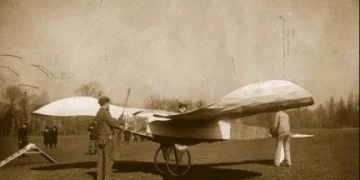
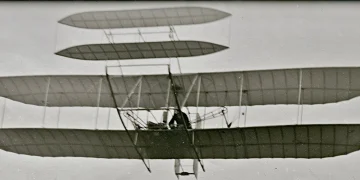
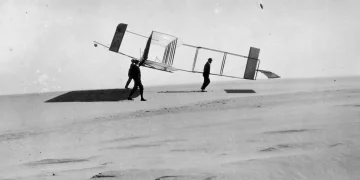
In the United States, the Wright brothers were testing the Wright Flyer III at Huffman Prairie and moving toward practical controlled flight. In France, Gabriel Voisin and Louis Blériot were experimenting with gliders and aircraft designs. Across Europe, airships, balloons, gliders, and early airplanes were being tested by inventors and performers.
The Barcelona balloon accident fits into this wider moment. It was not part of powered airplane development, but it belonged to the same culture of aerial experimentation.
At the time, the boundaries between science, sport, entertainment, and danger were often blurred. A balloon exhibition could be a public show, a technical demonstration, and a life-risking experiment all at once.
Safety Lessons From the Barcelona Balloon Accident
The Barcelona balloon accident offers several safety lessons that later aviation would take more seriously.
Urban Obstacles Matter
Telephone wires, buildings, rooftops, and streets were serious hazards for balloonists. Modern aviation planning carefully considers obstacles. Early ballooning often did not have the same level of control.
Public Venues Need Safety Margins
Launching from a crowded venue may create excitement, but it also increases risk if the aircraft drifts over populated areas.
Balloons Require Clear Landing Areas
A balloon needs space to descend safely. Urban environments reduce the options available to the pilot.
Minor Aircraft Damage Can Still Mean Fatal Risk
A balloon does not need to be destroyed for a fatal accident to occur. The exposed position of the pilot makes falls and collisions especially dangerous.
Weather and Wind Are Central
Even a light wind can carry a balloon toward obstacles. Without steerable propulsion, avoiding those obstacles is difficult.
Common Errors About the Barcelona Balloon Accident
Calling It an Airplane Crash
The accident involved a balloon, not a powered airplane.
Assuming the Balloon Was Destroyed
The available record lists the aircraft damage as minor.
Ignoring the Telephone Wires
The collision with telephone wires is the central known event in the accident.
Treating It as a Routine Fall
The fall happened during an aviation exhibition after the balloon encountered urban wires. It was an aviation-related public display accident.
Assuming Detailed Investigation Records Exist
The available evidence appears limited, with the main known source being contemporary newspaper reporting. Some details remain uncertain.
Timeline of the Barcelona Balloon Accident
| Date / Period | Event |
| Before 7 August 1905 | A balloon exhibition is arranged at the Barcelona Bullring |
| 7 August 1905 | Vicente Purroy Gracia takes part in the balloon display |
| During the flight | The balloon leaves the bullring area |
| En route | The balloon comes into contact with telephone wires |
| After wire contact | The pilot falls to the ground |
| After the accident | Vicente Purroy Gracia dies |
| 8 August 1905 | La última Hora reports the accident |
Key Takeaways
- The Barcelona balloon accident happened on 7 August 1905.
- The balloon was operated by Vicente Purroy Gracia.
- The flight was a public exhibition or display.
- The departure point was the Barcelona Bullring.
- The accident occurred when the balloon contacted telephone wires.
- The pilot fell and died.
- No other fatalities were recorded.
- The aircraft damage was listed as minor.
- The accident shows the hazards of urban ballooning.
- Telephone wires were a serious obstacle for early aeronauts.
- The incident is documented mainly through historical newspaper reporting.
- It remains a lesser-known but important Spanish early aviation accident.
Frequently Asked Questions
What was the Barcelona balloon accident of 1905?
It was a fatal balloon exhibition accident in Barcelona on 7 August 1905 involving Vicente Purroy Gracia.
Who was killed in the Barcelona balloon accident?
Vicente Purroy Gracia was killed.
Where did the accident happen?
The accident happened in Barcelona, Spain, after a balloon exhibition that began at the Barcelona Bullring.
What caused the accident?
The available narrative says the balloon came into contact with telephone wires, after which the pilot fell to the ground.
Was the balloon destroyed?
No. The aircraft damage is listed as minor.
Was anyone else killed?
No. There were no other fatalities recorded.
Was this an airplane crash?
No. It was a balloon accident during a public exhibition.
Why were telephone wires dangerous to balloons?
Telephone wires could snag ropes, baskets, or rigging and create sudden loss of control during low-altitude flight.
Why is this accident historically important?
It shows the dangers of early public aerial displays in urban areas before modern aviation safety standards existed.
What source reported the accident?
The incident was reported in La última Hora on 8 August 1905, according to the historical accident summary.
Conclusion
The Barcelona balloon accident of 7 August 1905 was a fatal reminder that early aerial exhibitions were far more dangerous than they often appeared to spectators. Vicente Purroy Gracia took part in a public balloon display from the Barcelona Bullring, but the flight ended after the balloon encountered telephone wires and he fell to the ground.
The balloon itself reportedly suffered only minor damage, yet the human cost was fatal. That detail makes the accident especially important. It shows that in early ballooning, danger did not always come from the destruction of the aircraft. It could come from a single obstacle, a low-altitude drift, or the exposed position of the pilot.
More than a century later, the incident remains a small but meaningful part of Spanish aviation history. It belongs to the era when flight was still a spectacle, safety rules were limited, and every public ascent carried risks that modern aviation would later work hard to control.
Read Also: Blériot-Voisin II Crash: The 1905 Seine Test That Nearly Killed Gabriel Voisin