


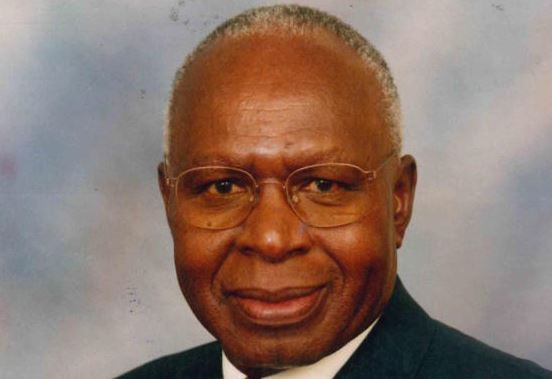
Kenya’s High Court has cleared the distribution of the Simeon Nyachae estate, ending another chapter in one of the country’s most closely watched succession disputes. The court dismissed an application challenging the management of the late politician’s assets, allowing executors to move ahead with distributing an estate that includes interests in banking, manufacturing, agriculture and real estate.
The decision follows years of legal proceedings that have delayed the administration of the estate since Simeon Nyachae died in February 2021. The dispute had centered on how the family’s income-generating properties were being managed and whether changes should be made to the existing arrangement before beneficiaries received their inheritance.
By rejecting the latest challenge, the court affirmed that the management structure put in place by Nyachae before his death should remain intact. The ruling also confirmed that the executors had fulfilled their legal responsibilities and should now proceed with distributing the estate in accordance with the deceased’s will.
The judgment provides greater certainty for beneficiaries while bringing one of Kenya’s most prominent succession matters closer to conclusion. It also underscores the importance of carefully drafted wills and estate planning in resolving disputes over large family-owned businesses.
Simeon Nyachae Estate Cleared for Distribution
The case was brought by Charles Ayako Nyachae, one of the executors of the estate and a son of the late businessman and politician.
Charles sought court orders to stop his stepmother, Grace Nyachae, and his stepbrother, Leon Nyachae, from managing rental properties through Sansora Group of Companies. He wanted the management of those properties transferred to Ark Consultants Ltd and requested a full accounting of rental income collected since February 2021.
After reviewing the evidence, the High Court found no proof that the estate had been mismanaged, wasted or handled unlawfully.
Instead, the court upheld the existing arrangement under which Sansora Group of Companies Ltd continues managing the rental properties. The judge found that this management structure had been established by Nyachae himself through a written agency agreement signed in December 2015 and later approved by the majority of executors named in his will.
The ruling means the administration of the estate will continue under the framework set out by the late patriarch before his death.
Background: Why This Story Matters
The succession case has attracted considerable public attention because of both Nyachae’s influence in Kenya and the size of the estate involved.
Throughout a career spanning public service, politics and business, Nyachae built one of Kenya’s best-known family business empires. Although the total value of his estate has never been publicly disclosed, it includes substantial investments across multiple sectors.
His portfolio includes family interests in banking institutions, listed company shares, manufacturing businesses, agricultural ventures and commercial property.
Since his death in 2021, disagreements among family members over beneficiaries, estate administration and business management have resulted in several court proceedings that delayed the final distribution of the estate.
The latest judgment removes one of the final legal obstacles facing the executors.
Key Details From the Court Decision
The High Court addressed several issues raised during the proceedings before reaching its decision.
Challenge to Property Management Rejected
Charles Ayako Nyachae argued that the management of rental properties should be transferred away from Sansora Group of Companies.
He also requested an independent accounting of rental income generated by the estate since Nyachae’s death.
The court found insufficient evidence to support allegations of mismanagement or misuse of estate assets and declined to interfere with the existing arrangement.
Court Upholds Nyachae’s Estate Planning
A central issue in the case was whether the management agreement signed before Nyachae’s death remained valid.
The court ruled that the late businessman had deliberately established the arrangement through a written agency agreement executed in December 2015.
The judge further noted that Nyachae’s will anticipated the possibility of disagreements among executors by allowing decisions to be made through majority approval.
According to the ruling, overriding that provision based on the objection of a single executor would have been inconsistent with the testator’s expressed intentions.
Distribution Can Now Proceed
Nyachae died on February 1, 2021, leaving a will dated September 9, 2015.
The will appointed Charles Ayako Nyachae, Eric Maina Nyachae and Angela Nyarangi Nyachae as joint executors.
The High Court issued a grant of probate in May 2022.
Following confirmation of the grant on June 2, 2026, the court held that the executors had met their accountability obligations and should proceed with distributing the estate.
Simeon Nyachae’s Business Interests
Although the complete value of the estate has never been publicly disclosed, the family portfolio spans several sectors of Kenya’s economy.
Among the assets referenced during the succession proceedings are:
Banking Investments
The estate includes a 27.1 percent family stake in Credit Bank, approximately 8.6 million shares in NCBA Group and historical investments in Transnational Bank and Kenindia Assurance.
These holdings represent some of the family’s most significant financial assets and illustrate Nyachae’s longstanding involvement in Kenya’s banking sector.
Manufacturing Businesses
The family’s commercial interests also extend to manufacturing and food processing through businesses such as Swan Millers and Sansora Bakers.
These companies have operated in Kenya’s grain milling and food production industries for many years.
Agriculture and Property
The estate further includes tea farming, large-scale agricultural operations and income-generating rental properties managed through Sansora Group of Companies.
These assets have formed part of the succession dispute because of their continuing role in generating income while probate proceedings were underway.
Impact on Beneficiaries, Businesses and Investors
The court’s decision provides greater certainty for beneficiaries by allowing the succession process to move into its final distribution stage.
For the businesses linked to the estate, the ruling preserves management continuity by allowing Sansora Group of Companies to continue overseeing the rental portfolio under the existing agreement.
The decision also reduces uncertainty surrounding ownership and governance, which can be important for companies connected to family-controlled estates.
Although the dispute primarily concerns succession law rather than public markets, investors often monitor high-profile estate cases involving substantial corporate shareholdings because prolonged litigation can create uncertainty over future ownership structures.
Legal and Estate Planning Context
Large family estates frequently involve both personal assets and operating businesses, making succession more complex than the transfer of individual property.
Where wills include mechanisms for resolving disagreements among executors, courts generally seek to respect the intentions of the deceased unless there is evidence of illegality or misconduct.
The High Court’s decision reflects that principle by giving effect to the management structure Nyachae established before his death.
The judgment also highlights the importance of documented governance arrangements for family-owned businesses, particularly where multiple beneficiaries and executors are involved.
What Comes Next
With the grant now confirmed and the latest legal challenge dismissed, the executors are expected to proceed with distributing the estate according to the terms of Nyachae’s will.
While individual administrative steps may still need to be completed, the ruling significantly reduces the legal uncertainty that has surrounded the succession process since 2021.
Attention will now shift toward implementing the distribution while maintaining continuity across the family’s various business interests.
Expert Analysis
The High Court’s ruling demonstrates the value of structured estate planning for complex family businesses.
Rather than replacing the existing management arrangement, the court focused on whether Nyachae had intentionally established a governance framework before his death and whether there was evidence of mismanagement.
Finding no such evidence, the judge gave priority to the deceased’s documented wishes.
For wealthy families with diversified business interests, the case illustrates how clearly drafted wills, agency agreements and decision-making mechanisms can reduce uncertainty during succession, even where disagreements among beneficiaries arise.
At the same time, the prolonged litigation also shows that succession planning cannot always prevent disputes, particularly where valuable operating businesses remain active throughout probate.
Frequently Asked Questions
What did the High Court decide?
The High Court dismissed a legal challenge concerning the management of Simeon Nyachae’s estate and allowed executors to proceed with distributing the assets.
Who challenged the estate management?
Charles Ayako Nyachae sought court orders to replace the management of the family’s rental properties and requested an accounting of rental income.
Why did the court reject the application?
The court found no evidence that the estate had been mismanaged, wasted or administered unlawfully.
Who manages the rental properties?
The court upheld the existing arrangement under which Sansora Group of Companies Ltd continues managing the rental properties.
What assets form part of the estate?
The estate includes banking investments, listed shares, manufacturing businesses, agricultural ventures and commercial rental properties held through the family’s business interests.
What happens next?
The executors are expected to continue with the distribution of the estate in accordance with the confirmed grant of probate and the provisions of Simeon Nyachae’s will.
Conclusion
The High Court’s latest ruling marks an important milestone in the administration of the estate of Simeon Nyachae. By dismissing the challenge to the existing management structure, the court has removed a significant obstacle that had delayed the succession process for years.
The decision reinforces the legal principle that a testator’s documented intentions should be respected where there is no evidence of wrongdoing. With the grant confirmed and the dispute resolved, the executors can now move forward with distributing one of Kenya’s most prominent family estates while preserving continuity across its diverse business interests.
Read Also: Apple Broadcom Deal Deepens US Manufacturing Push


