Concerns over possible disruption to air travel in Kenya have eased after aviation regulators moved quickly to reassure the public following a strike notice issued by airport workers. With thousands of passengers relying on daily domestic and international flights, any hint of instability within the aviation sector often triggers anxiety among travelers, airlines, and logistics providers. In response, authorities have emphasized that all critical aviation services remain fully operational.
Labour disputes within essential sectors such as aviation tend to attract heightened attention because of their potential impact on safety, mobility, and economic activity. Airports play a central role in tourism, trade, and regional connectivity, making uninterrupted operations a national priority. Against this backdrop, the government’s assurance signals an effort to balance workers’ concerns with the need to protect public interest and maintain confidence in the aviation system.
The current situation follows a formal strike notice by aviation workers citing unresolved employment issues. While such notices are part of lawful labour processes, they often raise questions about preparedness and contingency planning. Aviation authorities have therefore sought to clarify that systems are in place to prevent service interruptions, even as dialogue with workers continues.
By confirming ongoing engagement with labour representatives, regulators aim to demonstrate commitment to lawful dispute resolution while safeguarding passengers and industry stakeholders. This approach reflects a broader emphasis on stability within Kenya’s aviation sector, which has faced increasing demand and operational pressure in recent years. As discussions progress, authorities insist that safety oversight, air navigation services, and airport operations remain unaffected.
KCAA response to planned aviation workers strike
The Kenya Civil Aviation Authority confirmed that it had received a formal strike notice dated February 9 from the Kenya Aviation Workers Union. The notice signaled the possibility of industrial action if outstanding grievances are not resolved within the stipulated timeframe.
In its response, KCAA stated that it had reviewed the notice in line with constitutional provisions, the Labour Relations Act, and applicable government labour policies. The authority emphasized that such matters are handled through established legal and consultative mechanisms to ensure fairness and compliance with the law.
According to KCAA, immediate steps were taken to initiate dialogue with the union. These engagements are aimed at addressing the concerns raised while ensuring that aviation safety and operational continuity are not compromised. The authority reiterated that constructive dialogue remains the preferred and lawful path for resolving labour disputes.
Assurance of uninterrupted aviation services in Kenya
KCAA has assured airlines, passengers, and industry partners that aviation operations across the country will continue without disruption. The authority stressed that all essential services, including air traffic management, safety oversight, and regulatory functions, remain fully functional.
This assurance extends to major airports and airspaces nationwide, including key international gateways. According to the regulator, contingency measures and operational frameworks are in place to ensure continuity, regardless of ongoing labour discussions.
By providing clarity early, KCAA aims to prevent misinformation and maintain confidence among travelers and commercial operators. The authority noted that aviation safety remains the top priority, and no compromise will be made on standards or service delivery.
Dialogue and legal frameworks guiding labour talks
KCAA has highlighted that engagement with the union is being conducted through lawful and established consultation frameworks. These processes are designed to promote good faith negotiations while respecting the rights of workers and the obligations of the employer.
Labour relations within public institutions are governed by clear statutes that emphasize consultation, mediation, and, where necessary, arbitration. KCAA stated that it remains committed to these principles and is actively participating in discussions to resolve the issues raised.
Officials have emphasized that dialogue offers the most sustainable path forward. Through continuous engagement, both parties can work toward solutions that address workers’ concerns without jeopardizing essential services relied upon by the public.
Issues raised by Kenya Aviation Workers Union
The strike notice follows grievances raised by the Kenya Aviation Workers Union, which has accused the authority of failing to conclude long-standing negotiations. Central to the dispute are delays in finalizing a collective bargaining agreement and concerns over the remittance of union dues.
The union has also pointed to alleged discrimination between permanent and contract workers. According to the union, some contract staff perform similar duties to permanent employees but do not receive comparable benefits or recognition. These concerns have fueled dissatisfaction among workers and prompted the strike notice.
KAWU has stated that unless the issues are addressed comprehensively, industrial action may proceed as scheduled. The union argues that previous rounds of talks have not yielded tangible outcomes, despite the issues dating back several years.
Government commitment to aviation safety and stability
KCAA has reiterated that the government remains fully committed to maintaining aviation safety and operational stability. Aviation is a highly regulated sector where continuity is critical not only for passengers but also for cargo movement, emergency services, and regional connectivity.
Authorities have emphasized that labour disputes will not be allowed to undermine safety oversight or air navigation services. According to KCAA, regulatory responsibilities will continue to be executed as required, ensuring compliance with national and international aviation standards.
This position reflects a broader policy approach that prioritizes public safety while encouraging lawful resolution of employment disputes. The authority maintains that ongoing talks will be pursued in good faith until a mutually acceptable outcome is reached.
Impact on passengers and airlines
For passengers, the assurance of uninterrupted services provides relief amid uncertainty. Airlines depend heavily on predictable regulatory and operational environments to manage schedules, crew rotations, and logistics. Any disruption can have cascading effects across the aviation network.
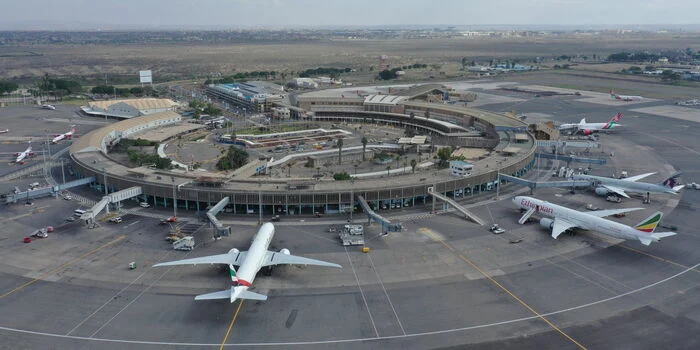
KCAA’s statement aims to reassure both domestic and international carriers that Kenya’s airspace and airport operations remain stable. This is particularly important for major hubs such as Jomo Kenyatta International Airport, which handles a significant share of regional and intercontinental traffic.
Industry stakeholders have welcomed the clarity, noting that early communication helps mitigate risk and maintain confidence in Kenya’s aviation infrastructure.
Ongoing engagements and next steps
Engagements between KCAA and the union are expected to continue within the established legal framework. Both parties have indicated willingness to pursue dialogue, even as timelines outlined in the strike notice approach.
The authority has encouraged stakeholders to rely on official communication channels for updates. By maintaining transparency, KCAA aims to prevent speculation and ensure that accurate information reaches the public.
As discussions progress, aviation authorities insist that all services will continue to be delivered normally. The emphasis remains on balancing workers’ rights with the need to protect public interest and maintain Kenya’s position as a reliable aviation hub.