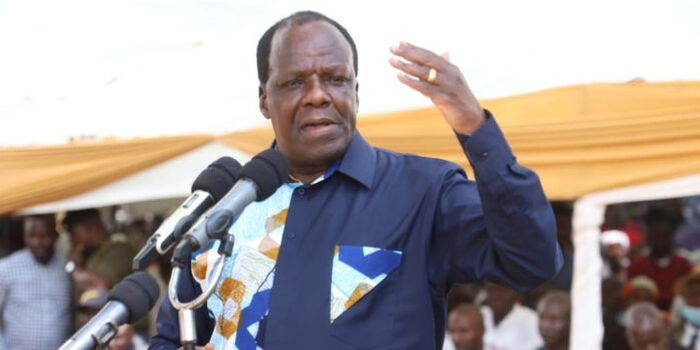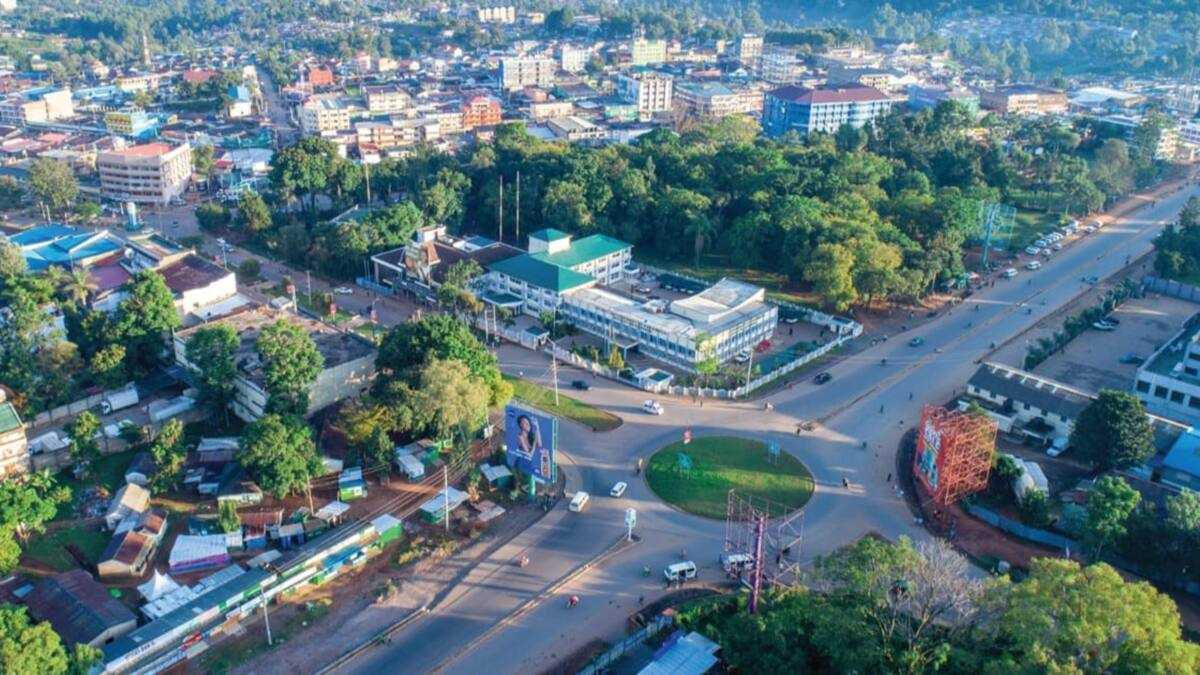
Between 1988 and 1990, Kakamega experienced a wave of tragedy that reshaped its political structure and exposed the fragility of leadership under Kenya’s one-party regime. Four sitting Members of Parliament died within two years, leaving voters in shock and plunging the region into a cycle of by-elections, succession battles, and rising dynasties. The Kakamega political tragedy (1988–1990) remains one of the darkest political moments in Western Kenya’s post-independence history.
The Mlolongo Era: Precursor to Political Shocks
The deaths occurred during a period already marred by manipulation. The 1988 mlolongo elections had ushered in widespread discontent across the region. Rigging, intimidation, and the removal of vocal critics like Martin Shikuku had unsettled constituents. It was within this tense climate that the region was soon rocked by an unprecedented string of MP deaths.
The Four MPs Who Died
- Jesse Opembe (Sabatia)
Opembe replaced Shikuku in 1988 after the latter was rigged out. However, his tenure was short-lived. He died while in office—his death unexplained and politically sensitive—leaving the seat vacant once more. - Samson M’Maitsi (Hamisi)
In 1989, M’Maitsi died in a road accident, cutting short his legislative term. His son, Vincent M’Maitsi, would go on to replace him, reflecting a growing trend of political inheritance that would later define Kakamega’s dynasties. - Moses Mudavadi (Sabatia)
Perhaps the most politically consequential of the four deaths, Moses Mudavadi, then Minister and KANU heavyweight, died in early 1989. His son, Musalia Mudavadi, inherited both the seat and his father’s ministerial portfolio, launching a political dynasty that continues to dominate Western Kenya. - Sammy Muhanji (Malava)
Also in 1989, Muhanji passed away, triggering another by-election. He was succeeded by Sande Mukuna, son of former Emuhaya MP Wilson Mukuna, further entrenching dynastic politics in the region.
The Aftermath: A Series of By-Elections
These consecutive deaths forced multiple by-elections in a span of less than two years. Voters in Hamisi, Sabatia, Malava, and Sabatia (again) had to return to the ballot under high-pressure circumstances. Given the KANU-only environment, most by-elections were tightly controlled, but some outcomes set the stage for long-term shifts:
- Musalia Mudavadi’s rise signaled the entry of a new political elite from the younger generation.
- Political dynasties became a coping mechanism, with sons replacing fathers in at least three of the four cases.
KANU Internal Reshuffles and Regional Power Shifts
In response to the leadership vacuum, KANU restructured regional authority:
- Musalia Mudavadi was promoted rapidly, replacing his father as Minister for Supplies and Marketing.
- Japheth Lijoodi, from Shinyalu, was made KANU National Treasurer, replacing Musalia in the party hierarchy.
- Meanwhile, Burudi Nabwera continued as an influential voice, but the region’s balance of power had tilted decisively toward emerging dynasties.
Public Grief and Political Fatigue
While the government painted these events as unfortunate coincidences, the public mood in Kakamega was one of deep unease and political fatigue. The loss of four leaders, coupled with manipulated democracy and restricted media, left many wondering whether power was too centralized—and too deadly.
For the people, this was not just a political shake-up but a human tragedy. Constituents mourned their leaders amid whispers of mismanagement, cover-ups, and high-stakes succession.
Conclusion
The Kakamega political tragedy (1988–1990) exposed the fragility of leadership in the face of centralized power and systemic repression. With four MPs dying in just two years, the region faced instability but also transition. From the ashes emerged a new generation of leaders—most notably Musalia Mudavadi—who would go on to redefine the region’s political future.
It remains a haunting chapter in Kenya’s history, where sudden death reshaped democracy and pushed the region into a new political era.