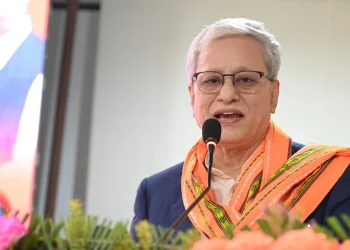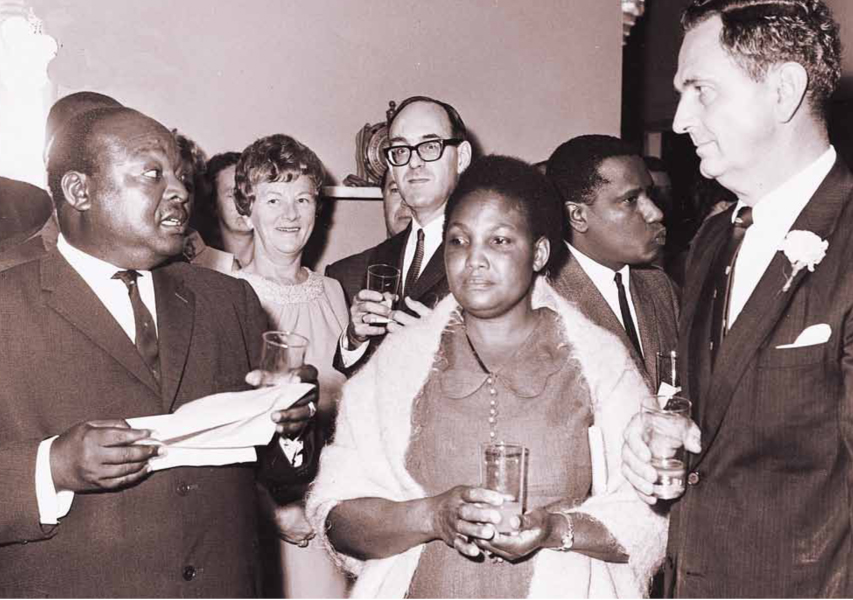
The rise of Joseph Otiende to national prominence marked a turning point in both Maragoli leadership and the integration of Western Kenya into Kenya’s postcolonial state. As one of the first African ministers in independent Kenya, Otiende’s career exemplified the pivotal role that Maragoli elites played in shaping national education policy, regional representation, and political stability in the formative years of the republic.
From Maragoli Roots to National Politics
Joseph Daniel Otiende, born in 1917 – 2017, was a Kenyan nationalist, and a prominent figure in Kenya’s fight for independence. Joseph Otiende hailed from the Maragoli subgroup of the Luhya community—one of the most populous and politically organized groups in Kakamega District. His education and early teaching career laid the foundation for his later influence in national governance. Otiende was respected for his calm demeanor, intellectual clarity, and organizational skills—traits that caught the attention of both nationalist leaders and colonial administrators.
As independence approached, Otiende emerged as a unifying figure, bridging gaps between regional leaders and national movements. His Maragoli identity was central to his appeal, representing one of the most economically advanced and educated Luhya subgroups at the time.
Cabinet Appointment and Role in Early Government
Following the 1963 independence elections, Joseph Otiende was appointed Minister of Education in Jomo Kenyatta’s first African-led cabinet. This position was one of the most critical in the young republic, responsible for transforming a colonial education system that had long sidelined Africans.
Under Otiende’s leadership, the ministry prioritized Africanization of the curriculum, rapid school expansion, and the training of African teachers. He also played a key role in implementing free primary education policies, which dramatically increased enrollment rates in rural areas, including Western Kenya.
His performance earned him national respect and highlighted the capacity of Maragoli leadership to engage beyond ethnic confines and deliver public goods across the republic.
The Symbolism of Maragoli Leadership
Otiende’s rise signified the emergence of Maragoli leadership as a dominant force in the early years of Kenya’s nation-building. Alongside figures like Musa Amalemba and Masinde Muliro, Otiende helped elevate Luhya voices in national debates, without descending into ethnic sectarianism.
The Maragoli, though numerically smaller than other Luhya subgroups like the Bukusu or Wanga, exerted considerable influence due to their educational attainment, economic organization, and missionary networks. Joseph Otiende embodied this profile, using his ministerial platform to build bridges across communities and articulate national development priorities.
Legacy and Continued Influence
Though Joseph Otiende would later retire from frontline politics, his legacy remains embedded in Kenya’s education system and the historical memory of Maragoli leadership. Schools, roads, and civic institutions in Vihiga County and beyond bear witness to his contributions.
His example also shaped political behavior in the region—encouraging future leaders to pursue national unity, institutional development, and policy reform over ethnic mobilization. Otiende remains a respected figure in Luhya history, remembered not for populist rhetoric but for quiet, effective leadership during a volatile transition period.

Conclusion
The legacy of Joseph Otiende Maragoli leadership lies not only in his cabinet achievements but in the dignified, service-oriented model he set for regional leaders. As Kenya’s first Minister of Education, he helped lay the groundwork for inclusive governance and educational equity. As a Maragoli statesman, he demonstrated that local identity could complement national duty. His leadership continues to inspire a vision of politics rooted in competence, vision, and the common good.