Nyongesa Sande
No Result
View All Result
  • News
    • World
    • Africa
  • Politics
  • Business
  • Tech
  • AI
  • Telecom
  • Sports
  • Opinion
  • Lifestyle
  • Live
  • World Cup 2026
    • World Cup 2026 Standings
    • World Cup 2026
Nyongesa Sande
  • About Us
    • Nyosake Designers
      • Nyosake Webmasters
      • Nyosake Investment
  • Contact Us
    • Newsroom Contact
  • Ownership Disclosure
  • Advertise
No Result
View All Result
Nyongesa Sande
No Result
View All Result
  • News
  • Politics
  • Business
  • Tech
  • AI
  • Telecom
  • Sports
  • Opinion
  • Lifestyle
  • Live
  • World Cup 2026
ADVERTISEMENT

Home » 1961 Kenyatta Election and KANU/KADU in Kakamega

1961 Kenyatta Election and KANU/KADU in Kakamega

NyongesaSande News Desk by NyongesaSande News Desk
11 months ago
in Politics, History
Reading Time: 3 mins read
A A
President Jomo Kenyatta with the newly elected Kanu provincial vicepresidents at the Limuru Conference Centre on March 16, 1966. They are from left Mr Ronald Ngala representing the Coast, Mr Jeremiah Nyaga (Eastern Province), Mr Daniel Moi (Rift Valley) Mr Lawrence Sagini (Nyanza), Mr Mwai Kibaki (central) and Mr Erick Khasakhala (Western)

President Jomo Kenyatta with the newly elected Kanu provincial vicepresidents at the Limuru Conference Centre on March 16, 1966. They are from left Mr Ronald Ngala representing the Coast, Mr Jeremiah Nyaga (Eastern Province), Mr Daniel Moi (Rift Valley) Mr Lawrence Sagini (Nyanza), Mr Mwai Kibaki (central) and Mr Erick Khasakhala (Western)

The 1961 Kenyatta election Kakamega campaign became a pivotal moment in the political realignment of Western Kenya. This election, though not a general vote for Kenyatta himself, served as a symbolic plebiscite on Jomo Kenyatta’s release, leadership, and Kenya’s future. It also signaled the crystallization of political divisions between KANU and KADU, two rival parties that would dominate the independence era.

  • The Context: Kenyatta’s Imprisonment and Nationalist Momentum
  • The 1961 Elections and Political Polarization
  • KANU’s Gains and KADU’s Dilemma in Kakamega
  • Lasting Impact on Kakamega Politics
    • Conclusion

The Context: Kenyatta’s Imprisonment and Nationalist Momentum

By 1961, Jomo Kenyatta remained in colonial detention, a divisive figure among Kenya’s political elite. While KANU (Kenya African National Union) demanded his immediate release and positioned him as the rightful leader of the independence movement, KADU (Kenya African Democratic Union) emerged as a federation of minority ethnic groups—including many from Western Kenya—who feared Kikuyu dominance under Kenyatta.

In Kakamega, the political climate was tense. The region was a KADU stronghold, with leaders like Masinde Muliro advocating for a federal system (majimboism) to protect smaller communities. However, Kenyatta’s rising popularity among the masses challenged this status quo.

ADVERTISEMENT

The 1961 Elections and Political Polarization

The 1961 Legislative Council elections became a proxy battle over Kenyatta’s leadership and the future structure of Kenya. KANU, though boycotting the elections in some areas to protest Kenyatta’s continued detention, competed vigorously in others—including parts of Western Kenya where his name alone mobilized emotional support.

In Kakamega, KANU candidates began gaining ground despite KADU’s dominance. This surprised many local observers, as Luhya leaders had largely aligned with KADU, preferring its decentralized vision. But the “Kenyatta factor” energized youth, churches, and emerging urban voters, shifting political allegiances.

ADVERTISEMENT

KANU’s Gains and KADU’s Dilemma in Kakamega

KANU’s growing traction in Kakamega exposed internal divisions within the Luhya political elite. While figures like Muliro and Amalemba maintained loyalty to KADU, grassroots sentiment leaned increasingly toward national unity and central leadership—values that KANU symbolized under Kenyatta.

Even though KADU won most seats in the region during the 1961 polls, the momentum had started to shift. KANU’s candidates drew cross-ethnic support from younger voters, civil servants, and professionals. The narrative of unity under Kenyatta increasingly resonated with a population frustrated by colonial delay tactics and tribal fragmentation.

Lasting Impact on Kakamega Politics

The 1961 Kenyatta election Kakamega campaign helped redefine local and national politics. It exposed the limitations of ethnic-based federalism, showcased the emotional pull of Kenyatta’s image, and laid the foundation for KANU’s eventual dominance in the 1963 independence elections.

ADVERTISEMENT

After Kenyatta’s release in August 1961, KANU surged forward, absorbing defectors from KADU and galvanizing Western Kenya’s electorate. Though KADU would continue to resist until merging with KANU in 1964, its influence in Kakamega and other Luhya areas steadily declined.


Conclusion

The 1961 Kenyatta election Kakamega events were more than just a regional contest—they marked a turning point in Kenya’s journey to independence. KANU’s rise and KADU’s gradual decline in Western Kenya illustrated the power of national identity over tribal politics. The vote shaped the political orientation of Kakamega for decades and revealed how Kenyatta’s legacy transformed even opposition strongholds into sites of nationalist awakening.


Tags: 1961 Kenyatta election Kakamegaindependence elections KenyaJomo KenyattaKADU politicsKakamega electionsKANU riseWestern Kenya politics
ShareTweetSendShareScanSharePinShareShare
Google Add as a Preferred Source on Google
Previous Post

Musa Amalemba: First Luhya Minister and Unity Advocate

Next Post

Joseph Otiende and Maragoli Leadership in Early Kenya

NyongesaSande News Desk

NyongesaSande News Desk

Nyongesa Sande offers diverse content across news, technology, entertainment, and more, aiming to provide readers with a wide range of informative and engaging articles. NYONGESA SANDE's dedicated team provides our audience not only with the highly relevant news but also with outstanding interactive experience.

Related Posts

Khwisero Political History: MPs, Leaders and Legacy
Politics

Khwisero Political History: MPs, Leaders and Legacy

4 days ago
CS Nominee Wycliffe Oparanya Declares Ksh 600 Million Net Worth, Pledges Reforms for the Hustler Fund
Politics

Butere Political History: MPs, Leaders and Legacy

4 days ago
David Ndakwa and the Politics of Malava
Politics

Malava Political History: MPs, Leaders and Legacy

4 days ago
Shinyalu Political History: MPs, Leaders and Legacy
Politics

Shinyalu Political History: MPs, Leaders and Legacy

4 days ago
Former Cabinet Minister Cyrus Jirongo Dies in Early Morning Crash
Politics

Lugari Political History: MPs, Leaders and Legacy

4 days ago
Boni Khalwale
Politics

Ikolomani Political History: MPs, Leaders and Legacy

4 days ago
Load More
Next Post
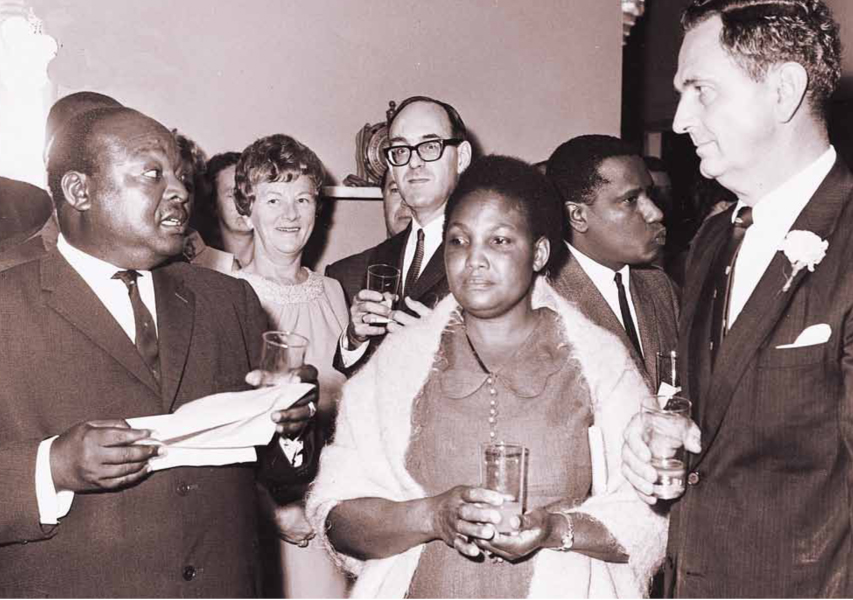
The Minister for Health, Mr Joseph D. Otiende (left), speaking on United Nations Development Programme (UNDP) day at the residence of the UNDP Representative in Kenya, Mr Steadman (right), on November 7, 1968, accompanied by Mrs Otiende (centre).

Joseph Otiende and Maragoli Leadership in Early Kenya

The Kenya African Democratic Union – Asili (KADU–Asili)

Collapse of KADU and Luhya Realignment, 1964–1966

Trending

  • Top 10 Richest People in Tripura (2026)

    Top 10 Richest People in Tripura (2026)

    171 shares
    Share 68 Tweet 43
  • Product Review: Bose Portable Smart Speaker

    187 shares
    Share 75 Tweet 47
  • Gillette Stadium World Cup 2026 Guide: Capacity, Location, Matches and Quarterfinal Venue

    1 shares
    Share 0 Tweet 0
  • Top 10 Richest People in Meru County

    88 shares
    Share 35 Tweet 22
  • Mukangala – Jacob Luseno (Lyrics)

    26 shares
    Share 10 Tweet 7
  • Colombia vs Uzbekistan: FIFA 2026 World Cup Preview

    2 shares
    Share 1 Tweet 1
  • Levi’s Stadium World Cup 2026 Guide: Capacity, Location, Matches and Round of 32 Venue

    2 shares
    Share 1 Tweet 1
  • MetLife Stadium World Cup 2026 Guide: Capacity, Location, Matches and Final Venue

    1 shares
    Share 0 Tweet 0
  • Top 10 Richest People in Manipur (2026)

    59 shares
    Share 24 Tweet 15
  • List of Elected MCAs in Narok County 2022-2027

    59 shares
    Share 24 Tweet 15
ADVERTISEMENT
ADVERTISEMENT

Who We Are

Nyongesa Sande

NyongesaSande.com is a digital news and media platform covering breaking news, business, technology, AI, politics, sports, world affairs and African innovation.

News Sections

  • News
    • World
    • Africa
  • Politics
  • Business
  • Tech
  • AI
  • Telecom
  • Sports
  • Opinion
  • Lifestyle
  • Live
  • World Cup 2026
    • World Cup 2026 Standings
    • World Cup 2026

Editorial Standards

  • Editorial Policy
  • Fact Checking Policy
  • Corrections Policy
  • Ethics Policy
  • AI Usage Policy
  • News Tips
  • Submit Press Release

Legal

  • Privacy Policy
  • Terms of Use
  • Cookie Policy
  • Risk Disclaimer
  • Disclaimer
  • DMCA
  • Ad Choices

Our Company

  • About Us
    • Nyosake Designers
      • Nyosake Webmasters
      • Nyosake Investment
  • Contact Us
    • Newsroom Contact
  • Ownership Disclosure
  • Advertise
  • Privacy Policy
  • Terms of Use
  • Cookie Policy
  • Risk Disclaimer
  • Disclaimer
  • DMCA
  • Ad Choices

NyongesaSande.com is an independent digital news and media platform covering Africa, business, technology, AI, politics and global developments.

© 2026 NyongesaSande.com. All rights reserved.

No Result
View All Result
  • News
    • World
    • Africa
  • Politics
  • Business
  • Tech
  • AI
  • Telecom
  • Sports
  • Opinion
  • Lifestyle
  • Live
  • World Cup 2026
    • World Cup 2026 Standings
    • World Cup 2026

NyongesaSande.com is an independent digital news and media platform covering Africa, business, technology, AI, politics and global developments.

© 2026 NyongesaSande.com. All rights reserved.