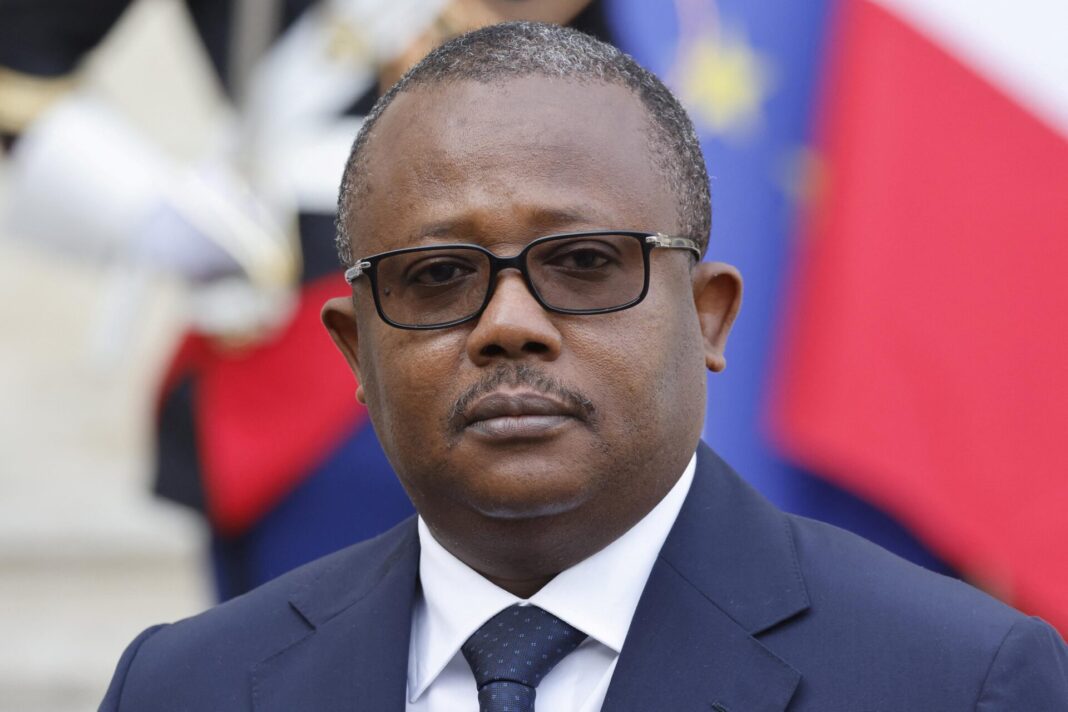
Guinea-Bissau headed to the ballot box on Sunday, 23 November 2025, in a crucial presidential and legislative election that could reshape the country’s fragile political landscape. Incumbent President Umaro Sissoco Embaló is seeking a second term, a rare outcome in a nation long marked by institutional volatility and power struggles. He is contending with eleven rivals, among them Fernando Dias da Costa, a rising political figure supported by factions historically linked to the influential PAIGC party, which was unable to present official candidates after missing registration deadlines.
Early tallies pointed to voter participation exceeding 65 percent, a strong turnout that reflects heightened public interest in the outcome. The national electoral commission stated that provisional results are expected by Thursday. Should no contender cross the 50-percent threshold, a second-round runoff will be triggered. Casting his vote in the eastern city of Gabu, Embaló called on citizens to “vote massively,” framing his re-election bid around promises of stability, development, and continued reform.
The tense electoral climate has reinforced the sense of uncertainty surrounding the vote. Critics accuse Embaló’s administration of undermining democratic safeguards and limiting political competition, while Dias has campaigned on reversing governance failures, combatting entrenched drug-trafficking networks, and rebuilding weakened public institutions. Observers noted that Guinea-Bissau remains one of West Africa’s most politically turbulent states, having recorded at least nine coups or attempted coups since gaining independence.
As ballots are counted, the election is widely viewed as a defining chapter for the country’s future. Many citizens hope for sustained stability after years of repeated disruptions, while others seek a reset that restores confidence in democratic processes. The result—whether settled in the first round or after a runoff—will determine the direction Guinea-Bissau takes in its ongoing struggle to strengthen institutions, build accountability, and secure long-term political calm.