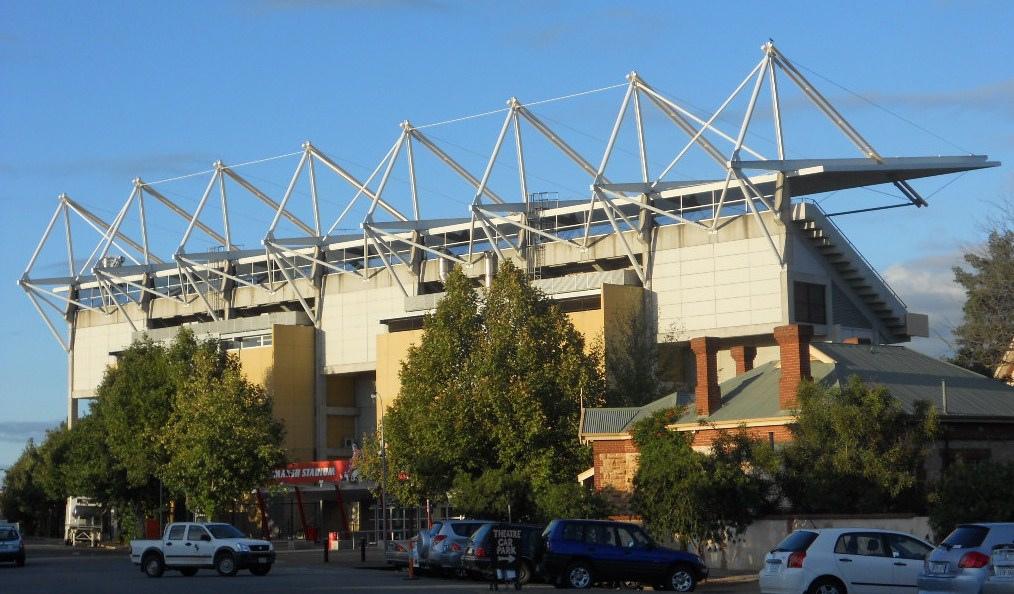
Coopers Stadium, also known as Hindmarsh Stadium, is a key football venue located in the heart of Adelaide, South Australia. With a seating capacity of 16,500, it is home to Adelaide United FC and has played a significant role in the city’s sports culture. The stadium’s rich history, from its early days in the 1960s to its modern-day renovations, has made it an iconic fixture for football in Adelaide.
The History and Development of Coopers Stadium
Originally known as Orana Park, the venue’s history dates back to 1960 when it first opened its doors. In the 1990s, it was renamed Campbelltown Sports Ground before becoming Hindmarsh Stadium, a name it retained until 2013 when Coopers Brewery acquired the naming rights, and the stadium became Coopers Stadium.
Over the decades, the venue has hosted major football events, including the 2000 Summer Olympics where it was a host for the football tournament. In preparation for the Games, the stadium underwent significant upgrades, including the expansion of the main stand and the installation of new floodlights, boosting its capacity to 20,000 spectators.
- Inauguration Date: 1960
- Name History: Orana Park (1960–1989), Campbelltown Sports Ground (1990–1999), Hindmarsh Stadium (2000–2012), Coopers Stadium (2013–present)
- Capacity: 16,500
- Record Attendance: 20,060 (South Sydney Rabbitohs vs Manly-Warringah Sea Eagles, 2008)
Design and Architecture of Coopers Stadium
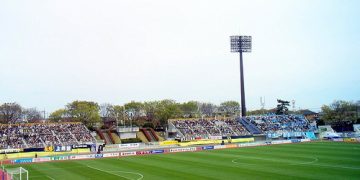
Coopers Stadium features a rectangular pitch surrounded by a row of stands on all sides. The main stand is located on the west side of the field and is the only stand equipped with a canopy, providing shelter for spectators. The other stands are arranged with a second tier on each side, ensuring good sightlines for fans throughout the stadium.
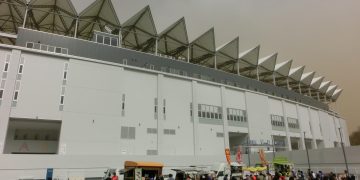
In recent years, significant renovations have been undertaken to modernize the stadium, including a $53 million upgrade, particularly focusing on the east stand, which will be expanded with new business spaces and a new roof similar to the west stand’s design. The upgrades are part of the preparation for the 2023 Women’s World Cup.
- Architectural Features: Rectangular pitch, multi-tiered seating, main stand canopy
- Capacity: 16,500
- Key Upgrades: $53 million renovation, expansion of the east stand, new roof, modernized facilities
Coopers Stadium’s Role in Football and Other Sports
Coopers Stadium has been home to Adelaide United FC since its formation, and it regularly hosts A-League matches. Beyond football, the stadium has also hosted rugby and other sports, as well as concerts. Over the years, it has seen international teams play, making it one of Adelaide’s premier sporting venues.
In addition to the A-League matches, Coopers Stadium has been the venue for several important national and international tournaments. The stadium was part of the 2019 FFA Cup and has hosted numerous events, including matches for the Australian national football team.
- Home Team: Adelaide United FC
- Major Events Hosted: 2000 Olympics (football), 2004 Oceania Cup of Nations, 2006 Women’s Asian Cup, FFA Cup matches
The Future of Coopers Stadium
In 2020, Australia and New Zealand were selected as the hosts for the 2023 FIFA Women’s World Cup, and Coopers Stadium was confirmed as one of the venues for the tournament. As part of the preparations, the South Australian government approved a $53 million upgrade to the stadium. These upgrades include improvements to seating, facilities, and accessibility, ensuring that the venue is ready to host the world’s best football players during the prestigious tournament.
- Future Events: 2023 FIFA Women’s World Cup (4 group stage matches and 1 round of 16 match)
- Renovations: $53 million upgrade focusing on seating expansion, new roof, and improved amenities
Conclusion
Coopers Stadium is an iconic football venue in Adelaide with a rich history and a bright future. Whether hosting A-League matches, international tournaments, or local football events, it continues to serve as a vital part of South Australia’s sporting culture. The upcoming upgrades will ensure that the stadium remains at the forefront of Adelaide’s football scene, especially as it prepares for the 2023 Women’s World Cup.