Canon EOS R6 is a full-frame mirrorless camera built for photographers and hybrid creators who need strong stills, fast autofocus, in-body stabilization and high-quality 4K video in one compact body.
Released in July 2020, the EOS R6 arrived alongside the higher-resolution EOS R5 but targeted a different type of user. Instead of chasing 45MP stills and 8K video, the R6 focused on speed, low-light performance, dependable autofocus and practical 4K recording.
The camera uses a 20.1MP full-frame sensor measuring 35.9 x 23.9 mm, Canon’s RF lens mount and the DIGIC X image processor. It also supports Canon Log, 10-bit 4:2:2 internal recording in H.265, 4K UHD up to 60p and Full HD high-frame-rate recording.
Although newer EOS R6 models now exist, the original Canon EOS R6 still matters because it remains a strong used-market option for photographers, wedding shooters, event creators and video users who want full-frame Canon performance at a lower price.
Key Canon EOS R6 Specifications
The Canon EOS R6 is designed as a balanced hybrid camera rather than a resolution-focused studio body. Its 20.1MP sensor may look modest on paper, but it supports strong speed, good low-light performance and manageable file sizes.
| Feature | Canon EOS R6 |
|---|---|
| Release period | July 2020 |
| Camera type | Full-frame mirrorless hybrid camera |
| Sensor size | 35.9 x 23.9 mm |
| Effective resolution | About 20.1MP |
| Maximum photo resolution | 5472 x 3648 |
| Lens mount | Canon RF |
| Image processor | DIGIC X |
| Base sensitivity for Canon Log testing | ISO 400 |
| Video formats | 4K UHD, Full HD, 4K UHD Super 35 crop, HD Super 35 crop |
| Internal codecs | H.265 and H.264 |
| Best internal colour sampling | 10-bit 4:2:2 in H.265 |
| In-body stabilization | Sensor-shift IS, up to 8-stop advantage with selected lenses |
| Body weight | About 598g |
| Dimensions | About 138 x 98 x 88 mm |
| Original launch price | About $2,499 body only |
| Current market position | Mostly used, refurbished or remaining stock depending on region |
The EOS R6’s biggest strengths are autofocus, stabilization, high-speed shooting and 4K video. It is not the highest-resolution Canon mirrorless body, but it is one of the most practical hybrid cameras in the original EOS R lineup.
Full-Frame Sensor and Image Quality
The Canon EOS R6 uses a full-frame CMOS sensor with a 35.9 x 23.9 mm image area.
Its 20.1MP resolution is lower than the EOS R5, but that can be an advantage for certain users. Smaller file sizes make editing, storage and high-volume shooting easier. Wedding photographers, event shooters and photojournalists often value speed and reliability more than extremely large files.
The sensor also supports strong low-light performance. This helps when shooting indoor events, night scenes, concerts, weddings, documentaries and available-light portraits.
Why 20MP Still Works
A 20MP full-frame sensor is still enough for many professional uses.
It can handle online publishing, social media, editorial work, wedding albums, event galleries and moderate print sizes. It also gives photographers faster workflow because files are easier to transfer, back up and edit.
For users who need heavy cropping or large commercial prints, a higher-resolution camera may be better. For speed and general professional coverage, the EOS R6 remains very capable.
Canon RF Mount and Lens Options
The EOS R6 uses Canon’s RF mount.
This gives the camera access to Canon’s modern mirrorless lens system, including RF primes, professional L-series zooms, compact travel lenses, macro lenses and super-telephoto options.
Photographers with older Canon EF lenses can also use them through Canon’s EF-EOS R adapters. This makes the R6 attractive for users moving from Canon DSLRs into mirrorless without replacing every lens immediately.
Lens Coverage
Because the Canon EOS R6 uses a full-frame sensor, full-frame RF and EF lenses cover the whole image area.
RF-S and EF-S lenses can work in crop mode, but they do not use the full sensor. For the best image quality and full field of view, RF full-frame lenses are the preferred choice.
4K Video Features
The Canon EOS R6 records 4K UHD video at up to 59.94p.
That makes it useful for creators who shoot interviews, weddings, events, documentaries, YouTube videos, travel content and short films. It does not offer 8K like the EOS R5, but its 4K options are easier to manage and more practical for many users.
The camera supports both full-frame 4K UHD and Super 35 crop 4K UHD. This gives filmmakers flexibility depending on the lens, framing and rolling shutter needs.
Recording Modes and Bitrates
The Canon EOS R6 offers several 4K recording options in H.265 and H.264.
| Mode | Resolution | Codec | Frame Rates | Colour Sampling | Bit Depth |
| Full Format 4K UHD | 3840 x 2160 | HEVC IPB | 23.98p to 59.94p | 4:2:2 | 10-bit |
| Full Format 4K UHD Light | 3840 x 2160 | HEVC IPB Light | 23.98p to 59.94p | 4:2:2 | 10-bit |
| Super 35 4K UHD | 3840 x 2160 | HEVC IPB | 23.98p to 59.94p | 4:2:2 | 10-bit |
| Full Format 4K UHD | 3840 x 2160 | H.264 IPB | 23.98p to 59.94p | 4:2:0 | 8-bit |
| Super 35 4K UHD | 3840 x 2160 | H.264 IPB | 23.98p to 59.94p | 4:2:0 | 8-bit |
| Full HD | 1920 x 1080 | H.264 or H.265 options | Standard and high-frame-rate modes | Varies | Varies |
The 10-bit 4:2:2 H.265 modes are the most useful for serious video work because they hold more colour information for grading than 8-bit H.264 modes.
Canon Log and Colour Grading
Canon Log is one of the most important video features on the EOS R6.
It gives filmmakers a flatter image profile that preserves more tonal information for colour grading. This helps users control highlights, shadows, contrast and colour after recording.
Canon Log is useful for weddings, commercials, music videos, interviews and documentary work where the final image needs a more polished look.
However, Log footage needs careful exposure. Underexposed Canon Log footage can become noisy, especially in dark scenes. Users should expose properly and monitor highlights carefully.
Dynamic Range Performance
CineD measured the Canon EOS R6 at 10.5 stops of dynamic range at SNR=2 in full-frame 4K UHD H.265, ISO 400 and Canon Log.
This result places the EOS R6 behind dedicated cinema cameras and some newer hybrid bodies, but it remains usable for many real-world video projects.
For photographers and filmmakers, the key lesson is simple: the EOS R6 can produce strong results when exposure is controlled well, but it does not give unlimited room for highlight recovery or heavy shadow pushing.
What Dynamic Range Means
Dynamic range measures how much detail a camera can hold between dark shadows and bright highlights.
A camera with more dynamic range can handle contrast better. This matters when shooting bright windows, outdoor scenes, white dresses, stage lights, sunsets or dark interiors.
The EOS R6 performs best when users expose carefully, avoid clipping highlights and use Canon Log correctly.
Rolling Shutter Performance
Rolling shutter is one area where the Canon EOS R6 needs careful handling.
CineD measured 30.6ms rolling shutter in full-frame 4K UHD at 25fps. In 4K UHD 50p, the result improved to 15.3ms. Super 35 crop mode was measured at 20.3ms in 25p and 15.3ms in 50p.
This means fast pans and quick movement can create skew or wobble in some modes.
For interviews, weddings, portraits, slow camera movement and controlled scenes, rolling shutter may not be a major problem. For fast sports, whip pans and action work, users should test the mode before shooting.
Autofocus and Stabilization
The Canon EOS R6 is known for strong autofocus performance.
Dual Pixel CMOS AF II helps track people, animals and moving subjects. This makes the camera useful for weddings, portraits, wildlife, events and documentary work.
The camera also includes in-body image stabilization. With compatible Canon lenses, stabilization can reach up to an 8-stop advantage. This helps photographers shoot handheld at slower shutter speeds and helps video creators reduce camera shake.
Why Stabilization Matters
In-body stabilization makes the EOS R6 more useful for handheld shooting.
It helps in low light, travel work, documentary-style video and event coverage. It does not replace a gimbal for smooth walking shots, but it makes handheld footage and still images more stable.
For creators who shoot alone, stabilization is one of the camera’s biggest practical advantages.
Photography Performance
The Canon EOS R6 is a strong stills camera despite its lower resolution.
It offers fast continuous shooting, reliable autofocus and strong full-frame image quality. The camera is well suited for moments where timing matters more than extreme detail.
It is a good fit for:
Wedding photography
Event photography
Portrait work
Wildlife photography
Sports and action
Street photography
Travel photography
Hybrid photo and video jobs
The 20MP resolution also helps photographers manage large galleries without overwhelming storage and editing systems.
Canon EOS R6 Price and Availability
The Canon EOS R6 launched at about $2,499 body only.
Because it has been replaced by newer R6-series cameras, current availability depends on region and retailer. Buyers are more likely to find it used, refurbished or as remaining stock.
Used prices vary depending on shutter count, condition, accessories and warranty. In many markets, the original R6 now costs far less than it did at launch, making it attractive for buyers who want Canon full-frame performance without paying for the latest model.
Canon EOS R6 vs Newer R6 Models
The original Canon EOS R6 now sits below newer models such as the EOS R6 Mark II, EOS R6 Mark III and video-focused EOS R6 V.
Newer models offer improvements in resolution, video options, autofocus, rolling shutter and heat management. However, the original R6 can still be a good value if the price is right.
Buyers should choose the original EOS R6 if they want a lower-cost full-frame Canon camera for photography and general 4K video. They should consider newer models if they need higher resolution, stronger video tools, longer recording reliability or better rolling shutter performance.
Who Should Buy the Canon EOS R6?
The Canon EOS R6 is best for users who want a practical full-frame hybrid camera at a reduced price.
It makes sense for:
Canon DSLR users upgrading to mirrorless
Wedding and event photographers
Hybrid creators who shoot both photos and video
YouTubers who need full-frame 4K
Travel photographers who value stabilization
Wildlife shooters who need fast autofocus
Budget-conscious buyers entering the RF system
It may not be the best choice for users who need 8K video, high-resolution stills, open gate recording or advanced cinema-camera tools.
Key Takeaways
- Canon EOS R6 launched in July 2020.
- It uses a 20.1MP full-frame sensor measuring 35.9 x 23.9 mm.
- The camera uses Canon’s RF mount.
- Maximum photo resolution is 5472 x 3648.
- It records 4K UHD up to 59.94p.
- H.265 recording supports 10-bit 4:2:2.
- Canon Log gives users more flexibility for colour grading.
- CineD measured 10.5 stops of dynamic range at SNR=2.
- Rolling shutter was measured at 30.6ms in full-frame 4K 25p.
- The body weighs about 598g.
- In-body stabilization can work with compatible lenses for up to 8-stop advantage.
- The original EOS R6 is now mostly attractive as a used or discounted full-frame option.
Frequently Asked Questions
What is the Canon EOS R6?
The Canon EOS R6 is a full-frame mirrorless hybrid camera designed for photography, 4K video, fast autofocus and handheld shooting.
When was the Canon EOS R6 released?
Canon released the EOS R6 in July 2020.
What sensor does the Canon EOS R6 use?
It uses a 20.1MP full-frame CMOS sensor measuring 35.9 x 23.9 mm.
What lens mount does the Canon EOS R6 use?
The camera uses Canon’s RF mount.
Can the Canon EOS R6 shoot 4K video?
Yes. The Canon EOS R6 can record 4K UHD up to 59.94p.
Does the Canon EOS R6 support 10-bit recording?
Yes. It supports 10-bit 4:2:2 recording in H.265 modes.
Does the Canon EOS R6 have Canon Log?
Yes. The EOS R6 supports Canon Log for colour grading.
What is the dynamic range of the Canon EOS R6?
CineD measured 10.5 stops at SNR=2 in full-frame 4K H.265 Canon Log at ISO 400.
What is the rolling shutter of the Canon EOS R6?
CineD measured 30.6ms in full-frame 4K UHD 25p and 15.3ms in full-frame 4K UHD 50p.
Is the Canon EOS R6 still worth buying?
Yes, the Canon EOS R6 can still be worth buying as a used or discounted full-frame camera, especially for photographers and hybrid creators who do not need the latest R6-series features.
Conclusion
The Canon EOS R6 remains a strong full-frame hybrid camera for creators who want reliable autofocus, strong low-light performance, in-body stabilization and practical 4K video.
It is not the newest camera in Canon’s lineup, and it has clear limits in rolling shutter, resolution and long-form video compared with newer models. Even so, the original R6 still offers excellent value for many photographers and hybrid shooters.
For buyers entering Canon’s RF system on a lower budget, the Canon EOS R6 remains one of the most appealing used full-frame mirrorless cameras available.
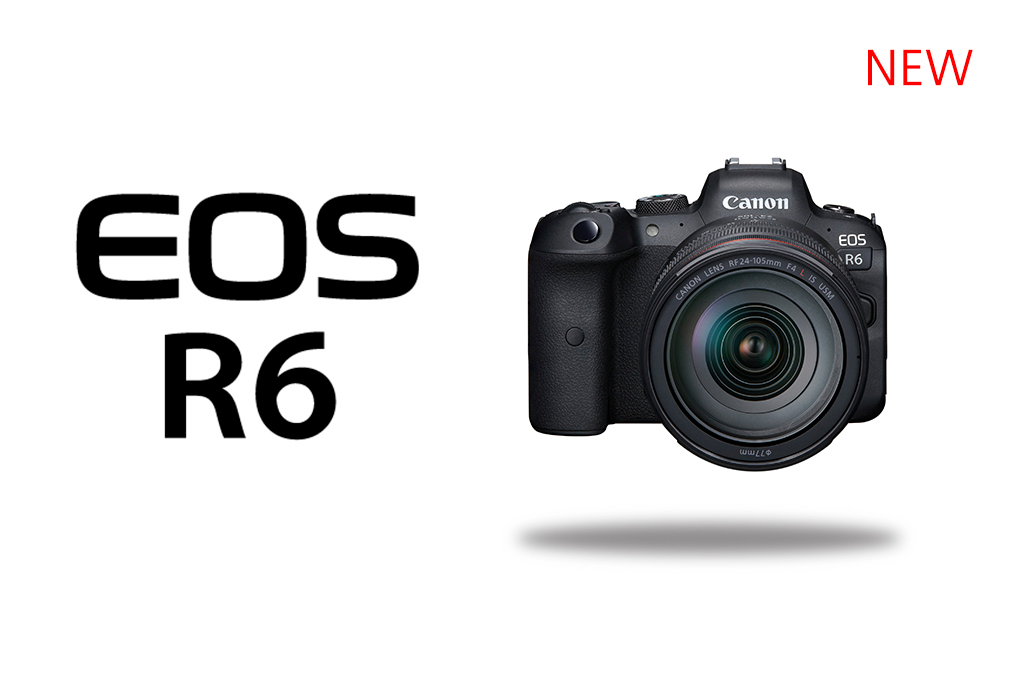
Read Also: Canon EOS R5: Specs, Price, Sensor, Dynamic Range and Video Features