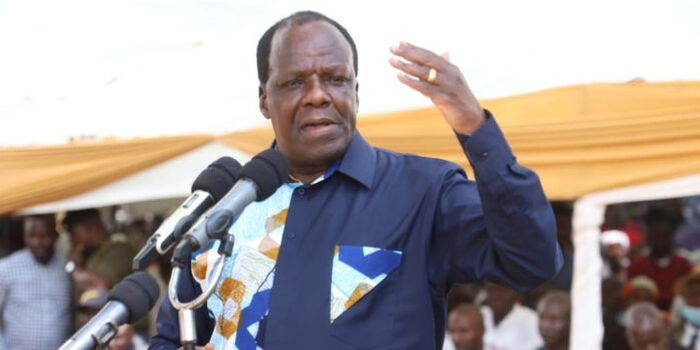
A fierce political storm is brewing in Kenya’s Western region, centered around a single objective: block him from 2027 election. The target? Trans Nzoia Governor George Natembeya. Once a provincial commissioner, now a rising political force, Natembeya is being pursued not for corruption—but for disrupting the region’s political hierarchy.
What appears to be a legal crackdown is, in fact, a calculated political ambush. Sources close to power allege that an alliance of influential figures from the Luhya and Kalenjin communities is orchestrating a multi-pronged strategy to eliminate Natembeya from the ballot. Their goal is simple: jail him before the next general election and extinguish his growing influence.

A Political Conspiracy in Courtroom Clothing
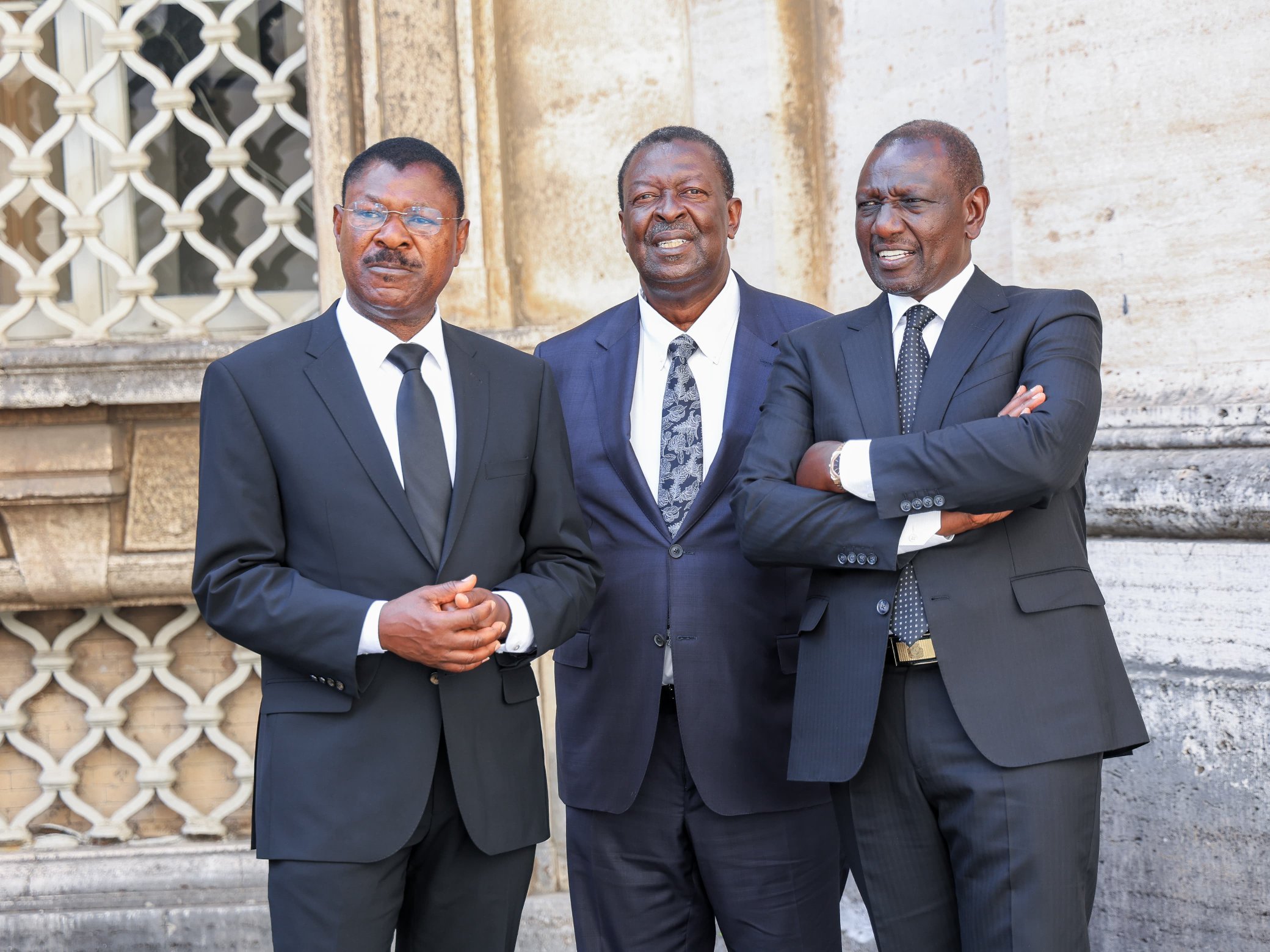
Behind closed doors in Nairobi, elite powerbrokers are holding strategic night meetings. These aren’t policy discussions—they’re blueprints for political survival. According to insider leaks, senior leaders like Prime Cabinet Secretary Musalia Mudavadi and National Assembly Speaker Moses Wetang’ula are working with regional operatives to push Natembeya out using criminal charges.
This follows a failed impeachment effort in the Trans Nzoia County Assembly, allegedly spearheaded by Senator Allan Chesang. Plan B now targets the judiciary. By keeping Natembeya tied up in legal proceedings, the plotters hope to sideline him long enough for Deputy Governor Philomena Kapkory to step in—rebalancing power in favor of Kalenjin interests.
Natembeya is currently facing charges of irregular payments exceeding KSh 3.2 million. Despite attempts to deny him bail, he secured a KSh 1 million bond—frustrating the scheme’s architects. The court case, however, isn’t about guilt or innocence. It’s a slow, tactical burn intended to stain his credibility and weaken his political machinery before the next election.
Fear of Change and the Rise of “Tawe”
Natembeya’s bold “Tawe” brand—Swahili for “No”—has rattled established power structures. He defies dynasties, speaks without filters, and commands a large following among youth and first-time voters across Trans Nzoia, Kakamega, Bungoma, and Busia. This disruptive energy has made him a threat to both UDA and ODM-aligned leaders.
Inside his own party, DAP-K, cracks are visible. Politicians like Kakai Bisau and Patrick Simiyu, who failed in past gubernatorial bids, are allegedly lobbying for his exit to reposition themselves ahead of 2027. Meanwhile, Cabinet Secretary Wycliffe Oparanya and MPs John Waluke, Nabii Nabwera, and Emmanuel Wangwe are reportedly fueling the anti-Natembeya narrative.
Political Isolation and Public Support
Despite the backlash from political elites, Natembeya has earned support from a few brave allies. Saboti MP Caleb Amisi and Kapchai MP Majimbo Kalasinga are among the few voices standing with him. Senators Edwin Sifuna, Boni Khalwale, and Okiya Omtatah are also believed to sympathize with his situation.
Still, the pressure is immense. A caucus of Western MPs led by Waluke is pushing to isolate him politically by framing him as a divisive figure. But on the ground, many still view Natembeya as the region’s best hope for real change. His 2022 victory, where he nearly doubled Chris Wamalwa’s votes, speaks to his wide support base.
Final Thoughts: Will the Plot Succeed or Backfire?
The movement to block him from 2027 election is not about justice—it’s about fear. The political old guard sees in Natembeya a symbol of rebellion and reform. His refusal to bow to tribal loyalty and political patronage has painted a target on his back. Yet history has shown that weaponizing the courts to silence dissent often backfires, galvanizing more support than it suppresses.
As the 2027 election nears, this legal battle will not just determine Natembeya’s future—it will shape the power dynamics of Western Kenya. The stakes are higher than ever, and Kenyans are watching.