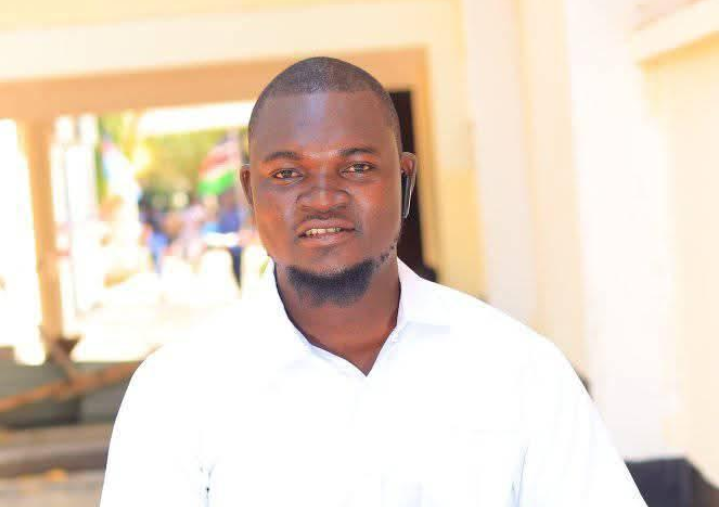
A tragic turn of events has rocked Kenya’s online community and civil society. Albert Ojwang dies after arrest—a chilling outcome that followed his comments on X (formerly Twitter) criticizing Deputy Inspector General Eliud Langat. His death has ignited national outrage, exposing deep concerns over the government’s tightening grip on digital expression.
Friends say Ojwang was picked up by police on Saturday, held at Central Police Station without official booking, and found dead the following morning. Authorities claim he sustained self-inflicted injuries while in custody. But activists and lawyers are calling it what they believe it is: a cover-up. His death marks a disturbing escalation in how the state handles online dissent.
Government Social Media Warning Comes Too Late
Ojwang’s arrest coincided with a government crackdown on so-called “reckless” social media behavior. In Vihiga, Prime Cabinet Secretary Musalia Mudavadi warned youth that their online actions could jeopardize visas, jobs, and public trust. He urged digital responsibility, citing global trends in monitoring digital footprints.
But critics argue that Mudavadi’s remarks—meant as caution—stand in stark contrast to what happened to Ojwang. “Digital responsibility” doesn’t justify arrest without record, nor unexplained death in custody. For many, Ojwang’s death highlights the blurred line between regulation and repression in Kenya’s evolving information space.
Fear Replaces Free Speech in Kenya’s Digital Space
The circumstances surrounding Albert Ojwang’s death after arrest reveal a worrying pattern. Human rights groups report increasing cases of Kenyans harassed, detained, or silenced for online criticism. What makes Ojwang’s case alarming is the outcome—death without booking or due process.
Legal experts point to the lack of OB (Occurrence Book) registration as a deliberate attempt to erase accountability. This method, they say, is used when law enforcement operates outside the legal framework—where detainment becomes disappearance.
Police explanations follow a familiar narrative: suspects “fell,” “hit themselves,” or “acted violently” in custody. These accounts often go unchallenged due to weak internal investigations and lack of public transparency.
Justice Demands Grow as Kenya Faces Global Scrutiny
Calls for justice are intensifying. Civil society groups are demanding a full independent investigation—including access to CCTV, postmortem results, and witness accounts. Free speech advocates argue that while digital platforms must be used responsibly, they cannot be policed with brutality.
“If someone crosses a legal line online, issue a summons—not a secret arrest,” said one human rights lawyer. “There must be rule of law—not rule by fear.”
Mudavadi’s warning focused on consequences like travel bans and missed job opportunities due to online posts. But the real consequence now lies in how the state reacts—not the citizen. When a tweet leads to a death, it is no longer about personal responsibility—it is about institutional abuse.
Final Thoughts: Who Really Needs Regulating?
The question Kenya must now confront is not just how youth behave online—but how the state responds. Albert Ojwang’s death after arrest isn’t just about one man. It’s about the chilling message being sent to millions of young Kenyans using their voices online. Albert Ojwang dies after arrest
Social media should not become a death sentence. Until there is justice, accountability, and reform, every citizen’s freedom to speak remains at risk.