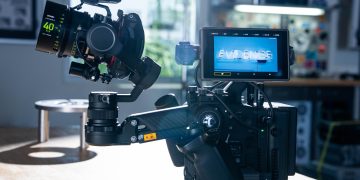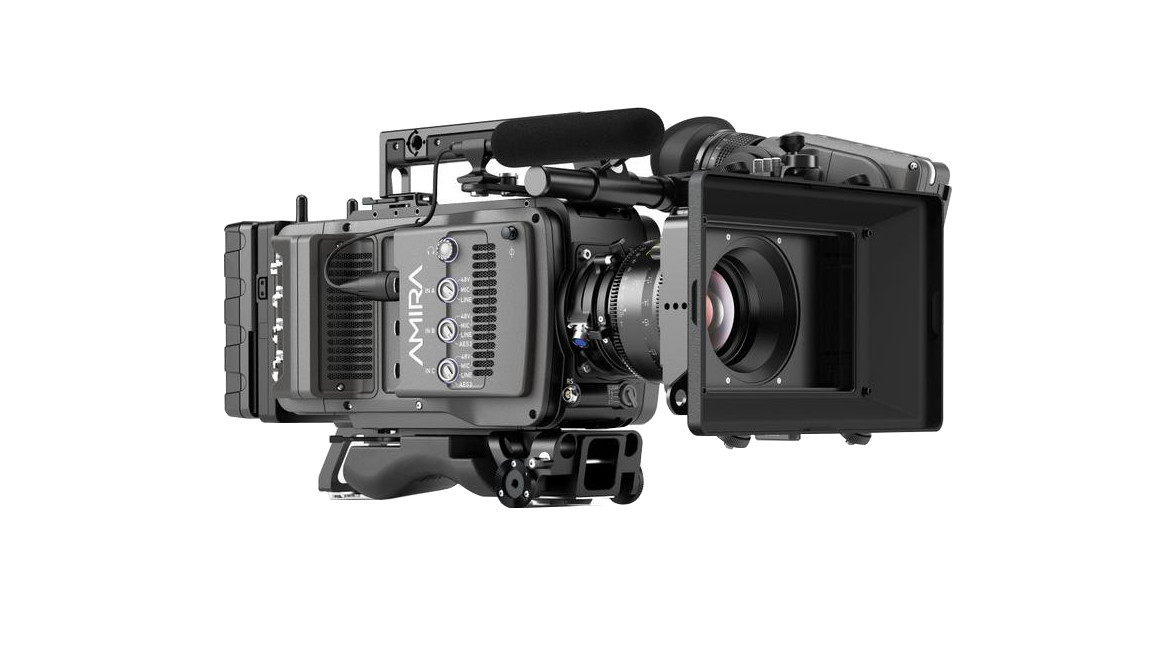
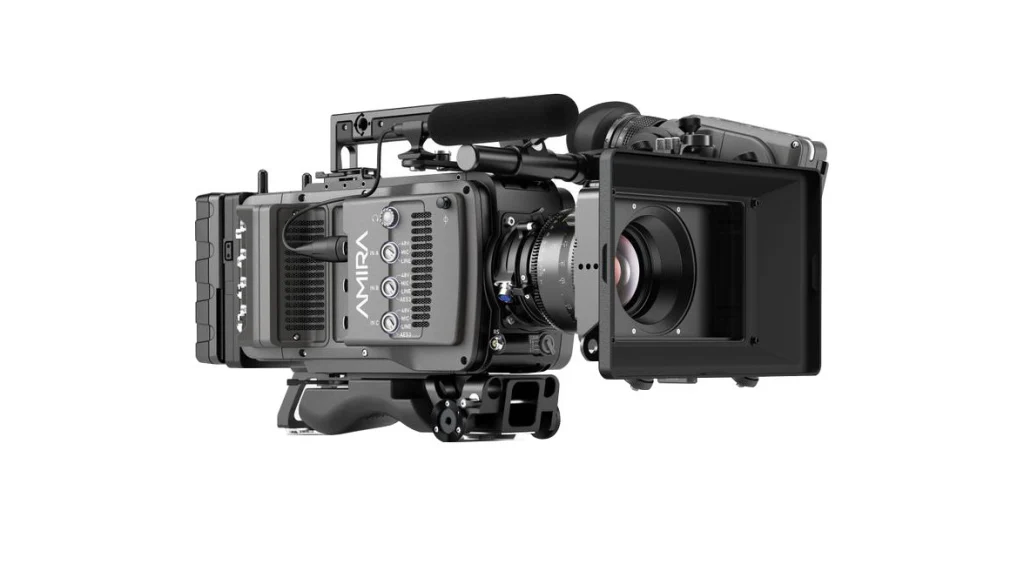
ARRI AMIRA is a professional Super 35 digital cinema camera designed for documentary, broadcast, commercial, corporate, sports and single-operator production.
Released in 2014, the AMIRA brought the trusted ALEXA image into a more ergonomic shoulder-mounted body. Unlike the larger ALEXA studio-style cameras, AMIRA was built for speed, mobility and practical field production.
The camera uses a Super 35mm ARRI ALEV III sensor and records high-quality Apple ProRes internally. Depending on the license and configuration, it also supports 4K UHD workflows and optional ARRIRAW recording.
AMIRA became popular because it offered a strong balance between image quality and usability. It was not designed only for controlled film sets. It was made for real-world shooting, where operators need to move quickly, react to unpredictable scenes and still capture a cinematic image.
Key Camera Specifications
The ARRI AMIRA uses a Super 35mm sensor measuring about 28.17 x 18.13 mm. It has a base sensitivity of ISO 800 and supports PL, EF and B4 lens-mount workflows depending on configuration.
| Feature | ARRI AMIRA |
|---|---|
| Camera type | Super 35 digital cinema camera |
| Release period | May 2014 |
| Sensor format | Super 35mm |
| Sensor size | About 28.17 x 18.13 mm |
| Sensor family | ARRI ALEV III CMOS |
| Base sensitivity | ISO 800 |
| Claimed dynamic range | 14+ stops |
| Lens mounts | PL with LDS, EF and B4 options |
| Main recording format | Apple ProRes |
| Optional RAW format | 16:9 2.8K MXF/ARRIRAW with license |
| 4K UHD recording | 3840 x 2160 ProRes |
| Maximum sensor frame rate | Up to 200fps depending on mode |
| Body weight | About 4.1 kg |
| Dimensions | About 309 mm x 149 mm x 139 mm |
| Best use | Documentary, broadcast, corporate, commercial and field production |
The AMIRA’s key strength is not just its technical specification. Its real value comes from the way it combines ARRI image quality with shoulder-friendly ergonomics.
Super 35 Sensor and Image Quality
The ARRI AMIRA is built around ARRI’s proven ALEV III Super 35 sensor.
This sensor family is known for natural colour, strong highlight handling, pleasing skin tones and a film-like response. It is the same broad image philosophy that helped the ALEXA line become a major reference in digital cinematography.
AMIRA’s Super 35 sensor gives cinematographers and documentary shooters a familiar field of view. It works well with professional cinema lenses, broadcast lenses and adaptable stills-style lenses depending on the mount.
Why Super 35 Works Well for Documentary Production
Super 35 is practical for documentary work because it offers a good balance between depth of field and focus control.
Large-format cameras can create very shallow depth of field, which may look beautiful but can be harder to manage in fast-moving situations. Super 35 gives operators a cinematic look while remaining more forgiving during handheld, shoulder-mounted and unpredictable shooting.
This makes AMIRA useful for interviews, observational documentaries, branded films, sports features and real-world storytelling.
ProRes Recording and 4K UHD Workflows
ARRI AMIRA records Apple ProRes internally.
ProRes is one of the most widely used professional editing formats because it balances image quality and workflow efficiency. It is easier to edit than RAW and is accepted across many post-production environments.
The camera supports 4K UHD recording at 3840 x 2160 in several ProRes options, including ProRes 4444 XQ, ProRes 4444, ProRes 422 HQ, ProRes 422 and ProRes 422 LT depending on settings.
| Resolution | Codec | Frame Rates | Sampling | Bit Depth |
| 3840 x 2160 | ProRes 4444 XQ | Up to 30p | 4:4:4:4 | 12-bit |
| 3840 x 2160 | ProRes 4444 | Up to 60p | 4:4:4:4 | 12-bit |
| 3840 x 2160 | ProRes 422 HQ | Up to 60p | 4:2:2 | 10-bit |
| 3840 x 2160 | ProRes 422 | Up to 60p | 4:2:2 | 10-bit |
| 3840 x 2160 | ProRes 422 LT | Up to 60p | 4:2:2 | 10-bit |
This made AMIRA useful for broadcasters, streamers and clients who needed 4K UHD deliverables while still wanting the ARRI look.
Why ProRes Matters
ProRes is practical because it reduces workflow pressure.
Documentary and broadcast crews often shoot many hours of footage. RAW can become heavy and expensive to store. ProRes gives editors strong image quality without overwhelming the post-production pipeline.
For many AMIRA users, this is one of the camera’s biggest advantages.
Optional ARRIRAW Recording
ARRI AMIRA can support optional ARRIRAW recording with the correct license.
The ARRIRAW license enables 16:9 2.8K MXF/ARRIRAW recording at 2880 x 1620. This gives productions more flexibility in post-production when they need a higher-end image pipeline.
ARRIRAW preserves more sensor data than compressed formats. It allows colourists more room to adjust exposure, contrast and colour during grading.
When ARRIRAW Makes Sense
ARRIRAW makes sense for premium commercials, high-end documentaries, visual effects work and productions that need maximum grading flexibility.
However, ProRes is still the more practical option for many AMIRA users. It is lighter, faster and better suited to long shooting days. That is why AMIRA became especially popular for documentary and factual production.
Recording Modes and Formats
The ARRI AMIRA supports multiple recording formats across Super 35 and Super 16-style workflows.
| Recording Format | Resolution |
| S16 HD | 1920 x 1080 |
| HD | 1920 x 1080 |
| 2K | 2048 x 1152 |
| 3.2K | 3200 x 1800 |
| 4K UHD | 3840 x 2160 |
| ARRIRAW 16:9 2.8K | 2880 x 1620 |
This format range allows AMIRA to serve many different production needs. A documentary crew may shoot ProRes HD or 2K for long-form efficiency. A commercial crew may choose 4K UHD ProRes. A premium production may use ARRIRAW when grading flexibility matters most.
Dynamic Range and Colour Science
ARRI lists the AMIRA with more than 14 stops of dynamic range.
Dynamic range is one of the biggest reasons filmmakers trust ARRI cameras. It affects how much detail the camera can hold in bright highlights and dark shadows at the same time.
For documentary and field work, this is very important. A shooter may move quickly from a bright outdoor scene to a darker interior without full lighting control. A camera with strong dynamic range gives the operator more protection against clipped highlights and crushed shadows.
Why ARRI Colour Is Valuable
ARRI colour science is known for natural skin tones and smooth highlight roll-off.
This matters in real-world shooting because people are often the centre of the story. Whether filming interviews, news-style features, sports documentaries or branded content, AMIRA gives operators an image that grades well and looks polished without excessive correction.
High Frame Rates and Slow Motion
The ARRI AMIRA supports sensor frame rates up to 200fps depending on the selected mode.
High frame rates are useful for sports, nature, music videos, commercials and dramatic slow-motion moments. AMIRA’s ability to shoot fast frame rates made it more flexible than many traditional broadcast cameras.
Why 200fps Is Useful
A 200fps option gives camera operators creative flexibility.
It can capture movement in a more elegant way, whether filming athletes, wildlife, machinery, dance, water, dust, product motion or emotional details. For documentary crews, slow motion can add visual power to real-world footage.
Lens Mount Options
ARRI AMIRA supports PL, EF and B4 lens-mount options.
The PL mount with LDS support is the professional cinema standard. It allows the use of high-end cinema lenses and lens metadata where supported.
The EF mount option is useful for productions using Canon EF lenses or more affordable still-photo-style glass. The B4 option supports broadcast lens workflows, which can be useful for documentary, sports and live-style production.
Why Mount Flexibility Matters
AMIRA’s lens-mount flexibility helped it serve different markets.
A documentary crew might use lightweight zooms. A commercial crew might use cinema primes. A broadcast team might use a B4 zoom. This adaptability helped AMIRA bridge cinema and factual production.
Shoulder-Mounted Ergonomics
One of the most important features of the ARRI AMIRA is its body design.
Unlike box-style cinema cameras, AMIRA was designed for shoulder operation from the start. It has a balanced body, integrated controls, built-in ND filters, audio tools and a production layout aimed at single operators.
This made it ideal for documentary shooters who needed to work quickly without building a large rig.
Why Ergonomics Matter
A camera may have excellent image quality, but poor ergonomics can slow down a shoot.
AMIRA was built for operators who need to react fast. The body design helps with handheld stability, quick menu access, audio monitoring, shoulder balance and practical field operation.
This is one reason it became popular for documentaries, factual TV, corporate films and branded content.
Built-In ND Filters and Audio Tools
The AMIRA includes built-in neutral density filters.
ND filters allow camera operators to control exposure while keeping their preferred aperture, shutter angle and ISO. This is especially useful outdoors, where light can change quickly.
AMIRA also includes professional audio inputs and controls, making it practical for documentary and ENG-style workflows where sound often needs to be captured directly into the camera.
Why Built-In Tools Matter for Field Work
Documentary crews often work with small teams.
Built-in ND filters, audio features and shoulder ergonomics reduce the need for extra accessories. This helps operators stay mobile and ready when real moments happen.
Best Uses for the ARRI AMIRA
The ARRI AMIRA is best suited for productions that need cinematic image quality with documentary-style speed.
It is ideal for:
Documentaries
Broadcast features
Corporate films
Commercials
Sports documentaries
Nature filming
Music videos
Branded content
Multi-camera live production
Low-budget narrative films
News-style field production
The camera is especially strong when one operator needs to capture high-quality images without a large camera crew.
ARRI AMIRA vs ALEXA Mini
The AMIRA and ALEXA Mini share similar ARRI image DNA, but they were designed for different shooting styles.
The AMIRA is a shoulder-mounted production camera. The ALEXA Mini is a compact box-style camera for drones, gimbals, cranes, car rigs and lightweight builds.
| Feature | ARRI AMIRA | ARRI ALEXA Mini |
| Sensor format | Super 35 | Super 35 |
| Body style | Shoulder-mounted | Compact box-style |
| Best for | Documentary and field work | Gimbals, drones and special rigs |
| Main recording | ProRes, optional ARRIRAW | ProRes and ARRIRAW |
| Base sensitivity | ISO 800 | ISO 800 |
| Lens mounts | PL, EF, B4 | PL, EF, B4 |
| Body weight | About 4.1 kg | About 2.3 kg |
| Main advantage | Ergonomics and field operation | Small size and rigging flexibility |
The better choice depends on the job. AMIRA is stronger for shoulder work and documentary operation. ALEXA Mini is better when the camera needs to be mounted in tight or moving rigs.
ARRI AMIRA vs ALEXA 35
The ALEXA 35 is a newer and more advanced Super 35 camera.
It offers a higher-resolution 4.6K sensor, LogC4, REVEAL Color Science and stronger dynamic range performance. AMIRA, however, remains valuable for users who want a shoulder-ready documentary camera with classic ARRI colour.
| Feature | ARRI AMIRA | ARRI ALEXA 35 |
| Release period | 2014 | 2022 |
| Sensor format | Super 35 | Super 35 |
| Main workflow | Log C, ProRes, optional ARRIRAW | LogC4, ARRIRAW, ProRes |
| Camera style | Shoulder-mounted field camera | Compact cinema production body |
| Best for | Documentary and factual work | High-end cinema and streaming work |
| Dynamic range | 14+ stops claimed | 17 stops claimed by ARRI |
ALEXA 35 is technically stronger. AMIRA remains more documentary-focused.
Key Takeaways
- ARRI AMIRA was released in 2014.
- It uses a Super 35 ALEV III CMOS sensor.
- The sensor measures about 28.17 x 18.13 mm.
- Base sensitivity is ISO 800.
- ARRI lists the camera with 14+ stops of dynamic range.
- The camera records Apple ProRes internally.
- 4K UHD ProRes recording is supported depending on license and configuration.
- Optional ARRIRAW recording is available at 2.8K 16:9.
- Lens mount options include PL, EF and B4.
- The body weighs about 4.1 kg.
- AMIRA is designed for shoulder-mounted single-operator use.
- It is best for documentary, broadcast, commercial and field production.
Frequently Asked Questions
What is the ARRI AMIRA?
The ARRI AMIRA is a professional Super 35 digital cinema camera designed for documentary, broadcast, commercial and single-operator field production.
When was the ARRI AMIRA released?
The ARRI AMIRA was released in 2014.
What sensor does the ARRI AMIRA use?
It uses a Super 35 ARRI ALEV III CMOS sensor measuring about 28.17 x 18.13 mm.
What is the base ISO?
The base sensitivity is ISO 800.
Does the ARRI AMIRA record 4K?
Yes. AMIRA supports 4K UHD ProRes recording at 3840 x 2160 depending on configuration and license.
Does the ARRI AMIRA record ARRIRAW?
Yes. ARRIRAW recording is available through an optional license, enabling 16:9 2.8K MXF/ARRIRAW recording.
What codecs does AMIRA support?
The camera mainly records Apple ProRes, with optional ARRIRAW support.
What lens mounts does the ARRI AMIRA support?
AMIRA supports PL with LDS, EF and B4 lens-mount workflows depending on setup.
How much does the ARRI AMIRA weigh?
The camera body weighs about 4.1 kg.
Is the ARRI AMIRA good for documentaries?
Yes. AMIRA was specifically designed for documentary, reportage, corporate, broadcast and single-operator field production.
What is the dynamic range of the ARRI AMIRA?
ARRI lists AMIRA with more than 14 stops of dynamic range.
Who should use the ARRI AMIRA?
It is best for professional documentary shooters, broadcast crews, commercial teams and filmmakers who want ALEXA image quality in a shoulder-mounted body.
Conclusion
ARRI AMIRA remains one of the most practical documentary-style cinema cameras in ARRI’s lineup.
It brought ALEXA image quality into a shoulder-mounted body designed for speed, mobility and field production. With its Super 35 ALEV III sensor, ISO 800 base sensitivity, ProRes recording, optional ARRIRAW, 4K UHD workflows, built-in ND filters and strong ergonomics, AMIRA became a trusted tool for documentary, broadcast and commercial work.
Newer cameras now offer higher resolution and newer colour science, but AMIRA still holds an important place in cinema-camera history. It proved that premium image quality could live in a camera built for real-world shooting, not only controlled film sets.
Read Also: ARRI ALEXA 65: Specs, Sensor, Recording Modes and Features