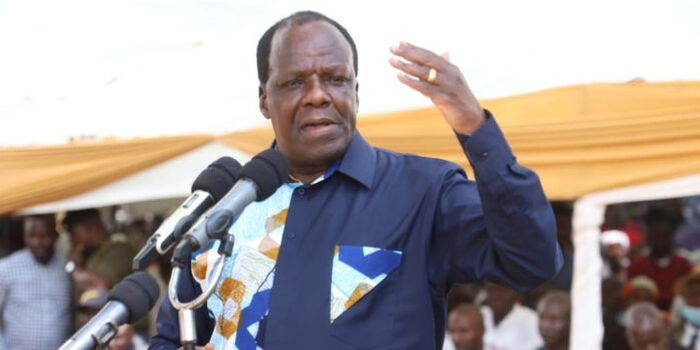
The 2017 general elections in Kenya marked a turning point in Vihiga County politics, as Moses Akaranga, the incumbent governor and experienced politician, lost his grip on power to Wilber Ottichillo, a technocrat with a scientific background and reformist ambitions. The Akaranga Ottichillo Vihiga politics transition reflected not just a change in leadership but also a shift in voter expectations and the deepening impact of devolution.
Moses Akaranga: The Veteran Politician
Moses Akaranga had long been a political heavyweight in Vihiga:
- He first rose to prominence in the 1990s under Ford-Kenya.
- He later served as Sabatia MP and Minister for Public Service in the early 2000s under President Kibaki.
- In 2013, he became Vihiga County’s first governor, winning under the Progressive Party of Kenya (PPK).
Akaranga’s administration focused on foundational county governance, including staffing, county infrastructure, and bursary programs. However, his tenure was increasingly marred by:
- Accusations of financial mismanagement.
- Strained relations with the County Assembly.
- Allegations of tribal favoritism and non-inclusive leadership.
- Weak public engagement on major projects.
By 2017, public discontent had grown. Voters were looking for a fresh and transparent leadership style.
Wilber Ottichillo: The Technocrat Turned Politician
Dr. Wilber Ottichillo, a former MP for Emuhaya and an environmental scientist with a PhD in remote sensing, offered that alternative.
Running under the ODM ticket, Ottichillo promised:
- Improved financial transparency.
- Scientific and data-driven planning.
- A shift away from politics-as-usual and a focus on service delivery.
His background at UNEP, global exposure, and clean reputation helped build trust across diverse voter blocs in Vihiga.
The 2017 Election Showdown
The gubernatorial race was tightly contested, with Ottichillo, Akaranga, and ANC’s Yusuf Chanzu all commanding regional loyalties.
In the end:
- Ottichillo won narrowly on an ODM ticket.
- Akaranga came second, losing his incumbency.
- Chanzu’s strong performance split the anti-incumbent vote but wasn’t enough to block Ottichillo’s rise.
The result was a decisive rejection of Akaranga’s leadership style and an endorsement of reform.
Ottichillo’s Governance Focus and Challenges
As Vihiga’s second governor, Ottichillo:
- Prioritized revenue mobilization, digitizing revenue collection systems.
- Invested in urban planning, modernizing Mbale Town.
- Re-organized the county workforce through audits and new structures.
- Faced resistance from MCAs and political rivals, especially around resource allocation.
Despite hurdles, he survived a turbulent first term and won re-election in 2022, solidifying his leadership and confirming the county’s shift away from Akaranga’s political era.
Symbolism of the Power Shift
The Akaranga Ottichillo Vihiga politics transition signified:
- The end of personality-driven politics and rise of performance-based evaluation.
- Voters’ preference for technocratic governance over political patronage.
- The deepening of devolution, where county leadership is increasingly held accountable.
Conclusion
The fall of Moses Akaranga and the rise of Wilber Ottichillo marked a defining chapter in Vihiga’s political evolution. It was more than a mere electoral loss; it was a voter-driven verdict on leadership quality, integrity, and future vision.
The Akaranga Ottichillo Vihiga politics story serves as a lesson in the transformative power of devolution and the electorate’s growing demand for service delivery over slogans.