Agriculture Companies in the United States sit at the center of one of the world’s most important food and farming systems. They supply seeds, fertilizers, machinery, crop protection products, grain handling, livestock feed, meat processing, food ingredients, irrigation systems, farm credit support, and digital tools used across American farms and global food supply chains.
The industry is far larger than farming alone. USDA data shows agriculture, food, and related industries contributed about $1.537 trillion to U.S. GDP in 2023, equal to 5.5% of the economy. Farms directly contributed $222.3 billion, but the wider value chain includes food processing, logistics, retail, inputs, equipment, and services.
Demand is shaped by population growth, export markets, animal protein demand, biofuels, food security, climate pressure, precision agriculture, labor shortages, water constraints, and volatile commodity prices. The best Agriculture Companies in the United States are not only large; they are deeply embedded in how food moves from farms to processors, retailers, restaurants, manufacturers, and consumers.
This guide profiles leading U.S. agriculture companies, explains the industry, and helps farmers, investors, buyers, suppliers, students, and business researchers understand which companies matter most and why.
Industry Overview: Agriculture Companies in the United States
The U.S. agriculture sector includes crop production, livestock, farm inputs, machinery, grain trading, food processing, animal nutrition, crop protection, seed genetics, fertilizer, irrigation, farm services, agricultural finance, and agtech.
Major growth drivers include precision farming, seed technology, biological crop inputs, regenerative agriculture, export demand, automation, robotics, data analytics, resilient supply chains, and water-efficient production. At the same time, the sector faces serious challenges: weather risk, drought, high input costs, low commodity margins, labor shortages, animal disease risk, environmental regulation, fertilizer volatility, and concentration in key input markets.
Agribusiness also faces consolidation pressure. Reuters reported that Bunge completed its merger with Viterra in 2025, creating a major global crop trading and processing company positioned against giants such as ADM and Cargill.
Ranking Methodology
This directory evaluates companies based on U.S. agriculture relevance, farmer impact, supply-chain importance, market position, product range, innovation, geographic reach, service quality, public visibility, and role in food security.
The list includes privately held agribusinesses, public companies, cooperatives, machinery makers, seed and crop protection firms, grain processors, meat companies, fertilizer suppliers, and farm-service providers.
Best Agriculture Companies in the United States
Cargill
Overview
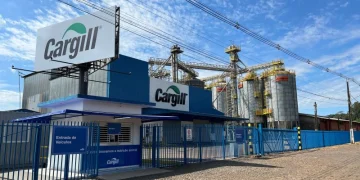
Cargill is one of the most important private agribusiness companies in the United States and the world. It connects farmers with markets, supplies food ingredients, provides animal nutrition, trades grains and oilseeds, and serves food manufacturers, retailers, restaurants, and industrial customers. Cargill says it serves food manufacturers, foodservice, retailers, farmers, and consumers across food, agriculture, trading, animal nutrition, and industrial markets.
Services Offered
Grain trading, oilseed processing, animal nutrition, protein products, food ingredients, risk management, commodity logistics, and industrial products.
Industries Served
Farmers, food manufacturers, livestock producers, retailers, restaurants, processors, exporters, and industrial buyers.
Notable Projects
Cargill’s projects span grain handling, food ingredients, animal feed, protein processing, and supply-chain operations.
Competitive Advantages
Cargill’s advantage is global scale, deep commodity networks, farm relationships, logistics, and processing capacity.
Headquarters
Minnetonka, Minnesota.
Website
cargill.com
Why It Stands Out
Cargill stands out because it touches almost every part of the agricultural value chain, from farmers and feed to ingredients and global trade.
Archer-Daniels-Midland
Overview
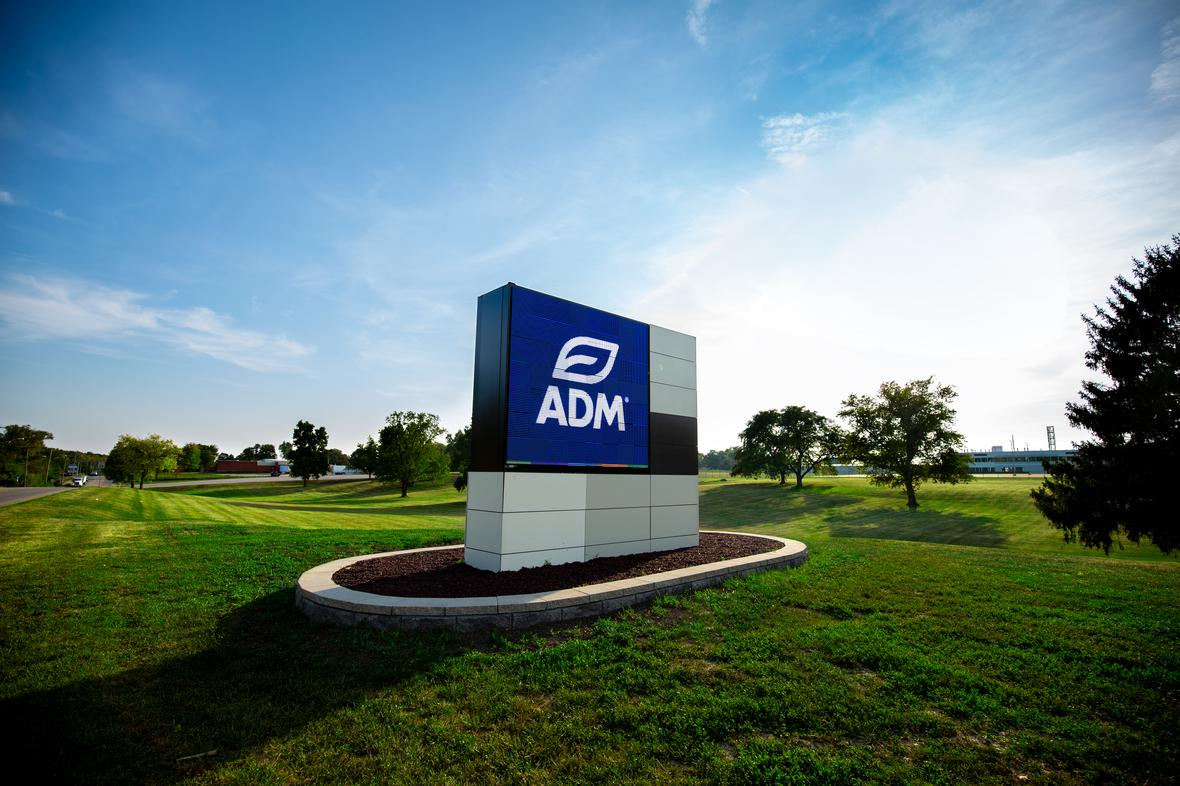
Archer-Daniels-Midland, commonly known as ADM, is a major U.S. agricultural processor and food ingredients company. It buys, transports, stores, processes, and merchandises crops such as corn, soybeans, and wheat, converting them into food, feed, fuel, and industrial ingredients.
Services Offered
Grain origination, oilseed processing, corn processing, food ingredients, animal nutrition, biofuels, logistics, and commodity merchandising.
Industries Served
Farmers, food companies, beverage makers, livestock producers, biofuel markets, exporters, and industrial users.
Notable Projects
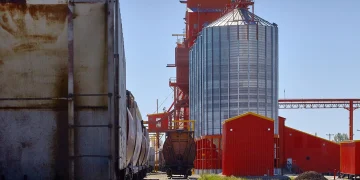
ADM operates major grain elevators, processing plants, export terminals, and ingredient facilities across the United States.
Competitive Advantages
ADM’s advantage is processing scale, commodity handling, ingredient manufacturing, and global market access.
Headquarters
Chicago, Illinois.
Website
adm.com
Why It Stands Out
ADM stands out for grain processing, oilseeds, corn products, nutrition, and its central role in moving U.S. crops into global markets.
Deere & Company
Overview
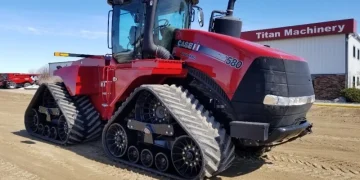
Deere & Company, known globally through the John Deere brand, is one of the most influential agricultural machinery companies in the United States. Its tractors, combines, planters, sprayers, precision agriculture tools, and digital farm systems are used by farmers across row crops, livestock, specialty crops, and large-scale production.
Services Offered
Tractors, combines, planters, sprayers, tillage equipment, hay equipment, precision agriculture systems, farm software, parts, financing, and dealer service.
Industries Served
Crop farmers, livestock producers, contractors, cooperatives, equipment dealers, and agricultural service providers.
Notable Projects
John Deere has heavily invested in precision agriculture, automation, GPS-guided machinery, and data-driven farm management.
Competitive Advantages
Its advantage is brand trust, dealer support, machinery technology, and integrated farm equipment ecosystems.
Headquarters
Moline, Illinois.
Website
deere.com
Why It Stands Out
Deere stands out because modern American farming depends heavily on machinery productivity, automation, and precision agriculture.
Corteva Agriscience
Overview
Corteva Agriscience is a major U.S.-based seed and crop protection company. It describes itself as a publicly traded pure-play agriculture company with a portfolio spanning seed, crop protection, and digital innovation.
Services Offered
Corn seed, soybean seed, crop protection chemicals, herbicides, insecticides, fungicides, biologicals, seed treatments, and digital agriculture tools.
Industries Served
Row-crop farmers, seed dealers, agronomists, retailers, cooperatives, and crop input distributors.
Notable Projects
Corteva has focused on seed genetics, crop protection, gene editing, and integrated weed-management systems. Its 2025 impact report described gene editing as a major future opportunity in agriculture.
Competitive Advantages
Corteva’s advantage is combining seed genetics with crop protection and farmer-facing distribution.
Headquarters
Indianapolis, Indiana.
Website
corteva.com
Why It Stands Out
Corteva stands out for seed technology, crop protection, and its influence on U.S. corn and soybean production.
CHS Inc.
Overview
CHS Inc. is a major farmer-owned cooperative and agribusiness company serving growers, cooperatives, livestock producers, and rural communities. It is active in grain marketing, crop nutrients, energy, feed, food ingredients, and farm supply.
Services Offered
Grain marketing, crop nutrients, agronomy services, animal feed, energy products, cooperative services, transportation, and food ingredients.
Industries Served
Farmers, ranchers, local cooperatives, grain buyers, rural businesses, livestock producers, and agricultural retailers.
Notable Projects
CHS operates grain facilities, agronomy centers, energy assets, and cooperative networks across major U.S. farm regions.
Competitive Advantages
CHS stands out because it is owned by farmers and cooperatives, giving it a strong connection to rural agricultural markets.
Headquarters
Inver Grove Heights, Minnesota.
Website
chsinc.com
Why It Stands Out
CHS matters because it links farmers to grain markets, inputs, energy, and cooperative infrastructure.
Bunge Global
Overview
Bunge Global is a major agribusiness and food processing company involved in oilseed processing, grain trading, milling, edible oils, and crop supply chains. Its 2025 merger with Viterra strengthened its global crop trading and processing position.
Services Offered
Oilseed processing, grain trading, milling, edible oils, specialty ingredients, commodity logistics, and export supply chains.
Industries Served
Farmers, food manufacturers, feed producers, exporters, retailers, and global commodity buyers.
Notable Projects
The Viterra merger expanded Bunge’s grain storage, export, and processing capabilities across key markets.
Competitive Advantages
Bunge’s advantage is oilseed processing, grain handling, export reach, and global agricultural logistics.
Headquarters
St. Louis, Missouri.
Website
bunge.com
Why It Stands Out
Bunge stands out for oilseed processing, global grain trade, and food ingredient supply chains.
Tyson Foods
Overview
Tyson Foods is one of the largest U.S. protein companies, producing chicken, beef, pork, and prepared foods. It is not a crop-input company, but it is one of the most important agriculture-linked businesses because livestock and meat processing depend on farmers, feed grains, animal health, transportation, and food distribution.
Services Offered
Chicken, beef, pork, prepared foods, foodservice products, retail meat products, logistics, and branded protein products.
Industries Served
Retailers, restaurants, foodservice companies, livestock producers, distributors, and consumers.
Notable Projects
Tyson operates a large U.S. meat and poultry processing network serving domestic and export markets.
Competitive Advantages
Its advantage is protein scale, processing capacity, retail brands, and integrated supply-chain relationships.
Headquarters
Springdale, Arkansas.
Website
tysonfoods.com
Why It Stands Out
Tyson stands out because animal agriculture is a major part of the U.S. food economy, and protein processing connects farms directly to consumers.
JBS USA
Overview
JBS USA is a major meat processing and food company operating in beef, pork, poultry, and prepared foods. It is part of global JBS, one of the largest meat companies in the world. The company is important to U.S. agriculture because it buys livestock, processes meat, supplies retailers, and supports export and foodservice markets.
Services Offered
Beef processing, pork processing, poultry, prepared foods, case-ready meats, foodservice products, and export products.
Industries Served
Ranchers, livestock producers, retailers, restaurants, foodservice companies, distributors, and consumers.
Notable Projects
In 2026, JBS USA announced plant closures as part of a restructuring linked to cattle supply, costs, and market conditions, showing how livestock cycles affect processors and consumers.
Competitive Advantages
JBS USA’s advantage is protein scale, processing reach, and broad market access.
Headquarters
Greeley, Colorado.
Website
jbsfoodsgroup.com
Why It Stands Out
JBS USA stands out for beef, pork, poultry, and its influence on livestock markets and meat supply chains.
Nutrien
Overview
Nutrien is a major crop input and services company with a significant U.S. agricultural retail presence. The company says it is a leading global provider of crop inputs and services, operating a network of production, distribution, and ag retail facilities.
Services Offered
Fertilizer, crop nutrients, potash, nitrogen, phosphate, crop protection products, seed, agronomy services, and retail farm services.
Industries Served
Farmers, crop consultants, retailers, cooperatives, distributors, and agricultural producers.
Notable Projects
Nutrien Ag Solutions is one of the largest agricultural retail networks serving U.S. farmers.
Competitive Advantages
Its advantage is fertilizer production, retail reach, agronomy services, and input distribution.
Headquarters
Global headquarters: Saskatoon, Canada. Major U.S. operations through Nutrien Ag Solutions.
Website
nutrien.com
Why It Stands Out
Nutrien stands out because fertilizer and crop inputs are essential to modern farm productivity.
The J.R. Simplot Company
Overview
The J.R. Simplot Company is a major privately held U.S. agribusiness known for potatoes, fertilizers, food processing, animal feed, crop inputs, and agricultural services. It is especially important in potato production and food supply chains.
Services Offered
Potato products, frozen foods, fertilizers, crop nutrition, agribusiness services, animal feed, and food processing.
Industries Served
Farmers, foodservice companies, restaurants, retailers, crop producers, livestock producers, and distributors.
Notable Projects
Simplot is strongly associated with potato processing and agricultural input production in the western United States.
Competitive Advantages
Its advantage is vertical integration across farming, fertilizer, processing, and foodservice products.
Headquarters
Boise, Idaho.
Website
simplot.com
Why It Stands Out
Simplot stands out for potatoes, food processing, fertilizers, and integrated agribusiness operations.
Industry Trends Affecting Agriculture Companies
Precision Agriculture
Farmers are adopting GPS-guided equipment, sensors, drones, yield maps, variable-rate application, and farm management software. Companies with machinery, seed, chemical, and data capabilities are gaining influence.
Climate and Weather Risk
Drought, floods, heat, storms, and shifting growing seasons are changing planting decisions, irrigation needs, insurance costs, and seed selection.
Input Cost Volatility
Fertilizer, fuel, labor, seed, chemicals, and machinery costs can sharply affect farm margins. Input suppliers must prove value, not just availability.
Supply Chain Consolidation
Large mergers and platform growth are reshaping grain trading, meat processing, seed, fertilizer, and agricultural retail markets.
Regenerative and Sustainable Agriculture
Food companies, retailers, and processors are asking farmers to reduce emissions, improve soil health, cut runoff, and document sustainability practices.
Automation and Labor Efficiency
Labor shortages are pushing demand for robotics, autonomous tractors, machine vision, automated milking, precision spraying, and digital farm tools.
Buyer’s Guide: How to Choose Agriculture Companies
Match the Company to the Need
A farmer buying seed, a processor sourcing grain, a rancher buying feed, and a retailer buying meat need different agriculture partners.
Review Local Support
Agriculture is local. Seed performance, fertilizer plans, machinery service, water needs, and agronomy advice depend on region, soil, crop, and climate.
Compare Total Value
The cheapest input is not always best. Farmers should compare yield impact, service, financing, reliability, delivery timing, warranty, and agronomic support.
Check Supply Reliability
Grain buyers, food processors, and farmers should evaluate delivery capacity, logistics, storage, sourcing flexibility, and risk management.
Ask About Technology
Modern agriculture companies should support data, traceability, precision application, sustainability reporting, and digital tools where relevant.
Watch for Red Flags
Red flags include weak local service, vague product claims, poor delivery reliability, limited technical support, unclear contracts, and no evidence of performance in similar conditions.
Why Agriculture Companies Matter in the United States
Agriculture companies support food security, rural employment, exports, farm productivity, livestock production, food manufacturing, and national economic resilience. They provide the machinery, seed, fertilizer, processing, logistics, feed, and market access that help farmers produce food at scale.
Their impact reaches far beyond farms. Agriculture supports grocery stores, restaurants, biofuels, exports, packaging, logistics, equipment dealers, food manufacturers, and rural communities.
As the United States faces climate pressure, global competition, food security concerns, and technology transformation, Agriculture Companies in the United States will remain critical to both the economy and everyday life.
Conclusion
The leading Agriculture Companies in the United States include Cargill, Archer-Daniels-Midland, Deere & Company, Corteva Agriscience, CHS, Bunge Global, Tyson Foods, JBS USA, Nutrien, and The J.R. Simplot Company. Each plays a different role. Cargill, ADM, Bunge, and CHS dominate grain, processing, and commodity flows. Deere leads farm machinery. Corteva is central to seed and crop protection. Nutrien supports fertilizer and crop inputs. Tyson and JBS shape animal protein supply chains. Simplot is important in potatoes, fertilizer, and foodservice.
For buyers, the best agriculture company depends on the need: farm equipment, seed, fertilizer, grain marketing, animal protein, processing, irrigation, inputs, or farm services.
Frequently Asked Questions
What are the best Agriculture Companies in the United States?
Some of the best-known Agriculture Companies in the United States include Cargill, ADM, Deere & Company, Corteva Agriscience, CHS, Bunge Global, Tyson Foods, JBS USA, Nutrien, and The J.R. Simplot Company. The best company depends on whether the user is looking for grain trading, machinery, seed, fertilizer, livestock processing, food ingredients, or farm services.
Who is the largest agriculture company in the United States?
Cargill is commonly viewed as one of the largest private agriculture companies in the United States. It operates across food, agriculture, trading, animal nutrition, and industrial products, serving farmers, food manufacturers, retailers, foodservice customers, and consumers.
What does an agriculture company do?
An agriculture company may supply seed, fertilizer, machinery, crop protection, irrigation, animal feed, grain marketing, livestock processing, food ingredients, farm finance, storage, logistics, or digital farm tools. Some companies focus on one segment, while large agribusinesses operate across multiple parts of the food and farming chain.
Which companies are best for farm machinery?
Deere & Company is one of the strongest farm machinery companies in the United States. Other important machinery brands include CNH Industrial, AGCO, Kubota, and equipment dealers serving local regions. Farmers should evaluate dealer support, parts availability, technology, financing, and machine suitability.
Which companies are best for seed and crop protection?
Corteva Agriscience is one of the leading U.S.-based companies for seed and crop protection. Bayer Crop Science, Syngenta, BASF, and regional seed companies are also important. The best choice depends on crop, geography, pest pressure, herbicide program, yield history, and agronomic support.
Which companies are best for fertilizer and crop inputs?
Nutrien, CHS, The J.R. Simplot Company, Helena Agri-Enterprises, Wilbur-Ellis, Growmark, and local cooperatives are important crop input providers. Farmers should compare price, availability, agronomy advice, delivery, financing, and product performance.
Which agriculture companies are important in grain trading?
Cargill, ADM, Bunge, CHS, and other grain handlers are important in U.S. grain trading and processing. They buy crops from farmers, operate elevators, manage logistics, process grains and oilseeds, and connect U.S. agriculture to domestic and export markets.
Why are meat companies part of agriculture?
Meat companies are part of agriculture because they buy livestock and poultry, process animal protein, use feed grains, work with farmers and ranchers, and supply retailers and restaurants. Tyson Foods and JBS USA are major examples of agriculture-linked food companies.
What are warning signs of a weak agriculture supplier?
Warning signs include poor local support, weak delivery reliability, unclear pricing, no technical advice, limited product testing, vague performance claims, poor service response, and contracts that are difficult to understand. Farmers should also be cautious when a supplier cannot provide local references.
Why are Agriculture Companies important?
Agriculture Companies are important because they help farmers produce, process, store, transport, and sell food. They support food security, rural jobs, exports, manufacturing, livestock production, biofuels, and the wider U.S. economy.
Read Also: Water Tank Suppliers in the United States