Feed Manufacturers in the United States play a central role in livestock production, dairy farming, poultry, aquaculture, equine care, pet nutrition, and the wider food supply chain. The industry supplies the nutritional foundation for cattle, pigs, chickens, turkeys, dairy cows, sheep, goats, horses, fish, and companion animals. Without reliable feed production, American meat, milk, eggs, and farmed seafood supply chains would face major disruption.
The U.S. animal feed sector is large, technical, and highly regulated. Feed is not simply grain mixed with minerals. Modern feed manufacturing involves nutrition science, ingredient sourcing, feed formulation, quality control, milling, pelleting, blending, premixes, additives, traceability, biosecurity, and compliance with federal safety rules. FDA’s animal food rule under FSMA requires covered facilities to follow current good manufacturing practices and implement preventive controls for animal food safety.
Demand for feed is shaped by livestock numbers, farm profitability, grain prices, meat consumption, dairy output, poultry production, aquaculture growth, export demand, and consumer expectations. Producers want feed that improves feed conversion, animal health, growth performance, milk yield, egg production, fertility, immunity, and cost efficiency. At the same time, buyers increasingly ask about sustainability, antibiotic alternatives, methane reduction, trace minerals, gut health, precision nutrition, and supply-chain transparency.
The U.S. animal food industry is economically significant. AFIA estimates that the U.S. animal food industry generated $267.1 billion in total sales in 2023, including about $98.4 billion in value-added revenue.
This guide profiles leading Feed Manufacturers in the United States, explains how the market works, highlights major trends, and gives buyers practical guidance on choosing the right supplier.
Industry Overview: Feed Manufacturing in the United States
The U.S. feed manufacturing industry serves several major markets: poultry feed, swine feed, dairy feed, beef cattle feed, equine feed, aquaculture feed, pet food, specialty animal nutrition, premixes, mineral supplements, and feed additives.
Large integrated agribusinesses such as Cargill, ADM, Land O’Lakes/Purina Animal Nutrition, Alltech, and Kent Nutrition Group operate across multiple livestock species and regions. Other companies specialize in poultry integrator feed, dairy nutrition, beef cattle minerals, horse feed, organic feed, aquaculture feed, or specialty additives.
The sector depends heavily on corn, soybean meal, wheat middlings, distillers grains, canola meal, vitamins, minerals, amino acids, enzymes, fats, oils, and specialty ingredients. Because feed costs are often the largest expense in livestock production, manufacturers compete not only on price but also on performance, formulation support, delivery reliability, and technical service.
The industry is also consolidating. A major recent example is ADM’s 2025 agreement with Alltech to place ADM’s 11 U.S. feed mills into a North American joint venture, while Alltech contributed 17 U.S. feed mills and 15 Canadian mills. Reuters reported that the venture was expected to launch in early 2026.
Future growth will depend on precision nutrition, feed efficiency, alternative proteins, gut health products, methane-reducing additives, traceability, digital formulation tools, and stronger animal food safety systems.
Ranking Methodology
This directory evaluates U.S. feed manufacturers based on market relevance, product range, livestock species coverage, technical expertise, geographic reach, reputation, innovation, nutrition support, feed safety systems, and buyer usefulness.
The list includes large national feed companies, animal nutrition specialists, ingredient suppliers, and major regional manufacturers. It is not a paid ranking and does not claim that every company listed is the largest by volume.
Buyers should verify local mill availability, feed formulas, delivery areas, pricing, nutrition support, certifications, quality programs, and contract terms before choosing a supplier.
Leading Feed Manufacturers in the United States
Cargill Animal Nutrition
Overview
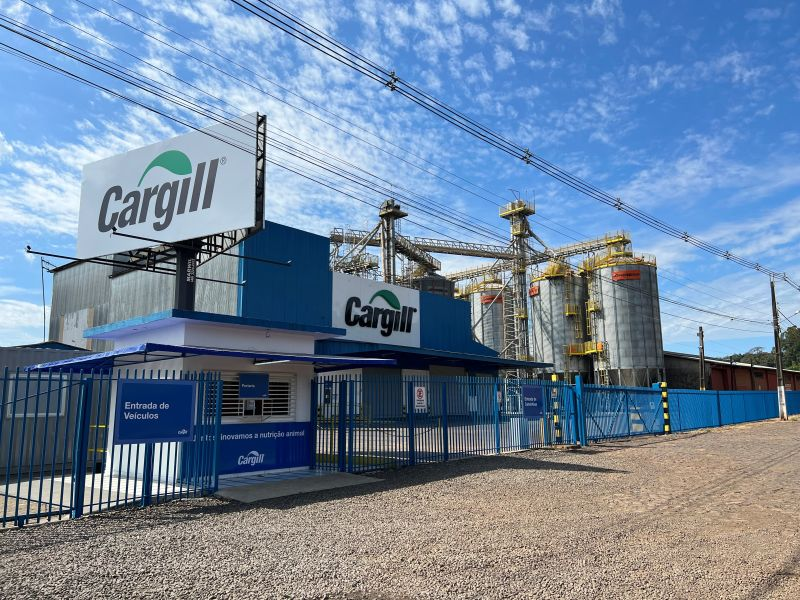
Cargill Animal Nutrition is one of the largest and most influential feed manufacturers in the United States and globally. The company serves livestock producers, dairy farms, poultry operations, swine producers, beef cattle operations, aquaculture businesses, and pet food markets.
Cargill’s strength comes from its deep commodity supply chain, formulation expertise, ingredient sourcing, and global animal nutrition platform. It operates in a market where feed quality, price stability, and technical support can directly affect farm profitability.
Products and Services
Cargill provides complete feeds, premixes, minerals, additives, feed ingredients, dairy nutrition, poultry nutrition, swine nutrition, beef feed, aquaculture feed, and technical advisory services.
Industries Served
The company serves dairy, beef, poultry, swine, aquaculture, pet food, and livestock supply chains.
Notable Features
Cargill is consistently listed among major global feed companies and remains one of the best-known U.S. animal nutrition brands.
Competitive Advantages
Its advantage is scale, ingredient access, research capacity, and multi-species nutrition expertise.
Headquarters
Minnetonka, Minnesota.
Website
cargill.com
Why It Stands Out
Cargill stands out because it combines feed manufacturing, commodity sourcing, nutrition science, and global supply-chain reach.
Purina Animal Nutrition
Overview
Purina Animal Nutrition, owned by Land O’Lakes, is one of the most recognized feed brands in the United States. It serves cattle, dairy, horses, poultry, pigs, goats, sheep, rabbits, wildlife, and lifestyle livestock owners.
Purina is especially strong because of its brand recognition and broad product range. It serves both commercial producers and rural lifestyle customers, making it one of the most visible feed names in farm stores and dealer networks.
Products and Services
Purina offers complete feeds, supplements, minerals, blocks, tubs, milk replacers, horse feed, poultry feed, cattle feed, dairy nutrition products, swine feed, goat feed, sheep feed, and lifestyle animal products.
Industries Served
The company serves livestock farms, dairy farms, equine owners, poultry keepers, rural homeowners, hobby farms, and feed retailers.
Notable Features
Purina is backed by Land O’Lakes and has a broad dealer network across the United States.
Competitive Advantages
Its advantage is brand trust, retail visibility, species coverage, and research-backed nutrition programs.
Headquarters
Arden Hills, Minnesota.
Website
purinamills.com
Why It Stands Out
Purina Animal Nutrition stands out because it serves both commercial agriculture and everyday animal owners with one of the strongest feed brands in the country.
ADM Animal Nutrition
Overview
ADM Animal Nutrition is a major feed and ingredient supplier in the United States. ADM has historically operated feed mills and premix businesses serving livestock and companion animal markets. Its business is changing as ADM moves part of its U.S. feed mill network into a joint venture with Alltech while retaining U.S. premix and additive operations.
ADM remains important because it is deeply connected to grain processing, oilseed crushing, amino acids, specialty ingredients, and animal nutrition. Feed manufacturers and livestock producers rely on companies like ADM for both finished feed and critical feed ingredients.
Products and Services
ADM provides animal nutrition products, premixes, feed additives, specialty ingredients, complete feeds, amino acids, minerals, and formulation support.
Industries Served
The company serves livestock producers, feed mills, pet food manufacturers, aquaculture businesses, dairy farms, poultry operations, and swine producers.
Notable Features
ADM is one of the major U.S. agribusinesses with a strong role in feed ingredients and animal nutrition.
Competitive Advantages
Its advantage is ingredient integration. ADM connects crop processing, feed ingredients, premixes, and nutrition science.
Headquarters
Chicago, Illinois.
Website
adm.com
Why It Stands Out
ADM stands out for ingredient strength, premix capability, and its influence in the broader animal nutrition supply chain.
Alltech
Overview
Alltech is a major animal nutrition and feed technology company headquartered in Kentucky. It is known for yeast-based technologies, feed additives, mineral nutrition, gut health products, crop science, and animal performance solutions.
Alltech became even more important in North American feed manufacturing after its agreement with ADM to create a joint venture involving ADM’s U.S. feed mills and Alltech’s U.S. and Canadian feed mill assets. Reuters reported Alltech would be the majority owner of the venture.
Products and Services
Alltech provides feed additives, mineral nutrition, yeast products, premixes, complete feed through affiliated businesses, gut health products, mycotoxin management, crop science products, and livestock nutrition solutions.
Industries Served
The company serves dairy, beef, poultry, swine, aquaculture, equine, pet, and crop production markets.
Notable Features
Alltech is known for research-driven nutrition, specialty ingredients, and global animal health positioning.
Competitive Advantages
Its advantage is innovation in additives, fermentation-based products, mineral nutrition, and animal performance technologies.
Headquarters
Nicholasville, Kentucky.
Website
alltech.com
Why It Stands Out
Alltech stands out because it combines feed manufacturing, specialty nutrition, research, and global animal health expertise.
Kent Nutrition Group
Overview
Kent Nutrition Group is a major U.S. feed manufacturer with well-known brands such as Kent and Blue Seal. The company serves commercial livestock producers, equine owners, poultry keepers, hobby farmers, and rural lifestyle customers.
Kent is especially strong in the Midwest and eastern United States, where local dealer networks and regional feed programs matter. Its products cover many species and customer types, from serious farm operations to backyard poultry and horse owners.
Products and Services
Kent Nutrition Group provides livestock feed, horse feed, poultry feed, swine feed, cattle feed, sheep and goat feed, minerals, supplements, show feeds, and specialty nutrition products.
Industries Served
The company serves cattle, dairy, swine, poultry, sheep, goats, horses, companion animals, and lifestyle farms.
Notable Features
Kent and Blue Seal are long-established feed brands with strong regional recognition.
Competitive Advantages
Its advantage is broad species coverage and strong retail/dealer presence.
Headquarters
Muscatine, Iowa.
Website
kentnutritiongroup.com
Why It Stands Out
Kent Nutrition Group stands out for regional feed strength, diversified species coverage, and trusted livestock nutrition brands.
Kemin Industries
Overview
Kemin Industries is a major U.S. feed ingredient and animal nutrition company headquartered in Iowa. It does not operate like a traditional complete-feed mill for every livestock category, but it is highly important because it supplies specialty ingredients that improve feed quality, animal performance, safety, and shelf life.
Feed manufacturers depend on ingredient companies such as Kemin for antioxidants, mold inhibitors, gut health solutions, enzymes, immune support, and nutritional additives. These products can help improve feed stability, animal health, and production efficiency.
Products and Services
Kemin provides feed additives, antioxidants, mold inhibitors, enzymes, gut health products, amino acid-related solutions, feed preservation products, and animal nutrition technologies.
Industries Served
The company serves feed manufacturers, poultry producers, swine producers, dairy operations, beef producers, aquaculture, pet food companies, and rendering industries.
Notable Features
Kemin is known for specialty ingredients and science-based animal nutrition solutions.
Competitive Advantages
Its advantage is research, ingredient technology, and feed quality support.
Headquarters
Des Moines, Iowa.
Website
kemin.com
Why It Stands Out
Kemin stands out because it helps feed manufacturers improve performance, safety, and shelf life through specialty nutrition technologies.
Hubbard Feeds
Overview
Hubbard Feeds is a well-known U.S. animal nutrition company serving livestock producers, dealers, and rural customers. It is part of the Alltech family of companies and has a strong presence in cattle, swine, poultry, sheep, goat, and lifestyle animal feed.
Hubbard is important because it combines regional feed manufacturing with technical support and a broad product line. For many livestock producers, regional feed companies are valuable because they understand local feed ingredients, weather conditions, forage quality, and producer needs.
Products and Services
Hubbard provides beef feed, dairy feed, swine feed, poultry feed, sheep and goat feed, minerals, supplements, show feeds, and specialty nutrition products.
Industries Served
The company serves beef producers, dairy farms, swine operations, poultry producers, sheep and goat producers, feed dealers, and rural customers.
Notable Features
Hubbard is part of Alltech and has a long history in U.S. feed manufacturing.
Competitive Advantages
Its advantage is regional knowledge backed by broader Alltech nutrition resources.
Headquarters
Mankato, Minnesota.
Website
hubbardfeeds.com
Why It Stands Out
Hubbard Feeds stands out for livestock producers who want regional service with access to a larger animal nutrition platform.
Kalmbach Feeds
Overview
Kalmbach Feeds is an Ohio-based feed manufacturer serving livestock, poultry, equine, and specialty animal markets. It is a family-owned company known for quality feed production and a wide product range.
Kalmbach has built a strong reputation among farmers, backyard poultry owners, horse owners, and livestock producers. Its growth reflects the importance of regional feed manufacturers that can combine commercial agriculture with lifestyle animal markets.
Products and Services
Kalmbach offers poultry feed, horse feed, cattle feed, pig feed, goat feed, sheep feed, rabbit feed, wildlife feed, show feeds, minerals, and supplements.
Industries Served
The company serves livestock farms, poultry owners, horse owners, hobby farms, rural retailers, and specialty animal markets.
Notable Features
Kalmbach is known for broad feed lines and strong regional brand loyalty.
Competitive Advantages
Its advantage is product diversity and customer reach across both commercial and lifestyle animal segments.
Headquarters
Upper Sandusky, Ohio.
Website
kalmbachfeeds.com
Why It Stands Out
Kalmbach Feeds stands out as a strong regional manufacturer with national visibility in poultry, livestock, and specialty feed markets.
Star Milling Company
Overview
Star Milling Company is a California-based feed manufacturer known for animal feed products serving poultry, livestock, horses, pets, and specialty animal markets. It has a long history and strong recognition in the western United States.
Regional feed manufacturers like Star Milling are important because the feed needs of western farms can differ from those in the Midwest or South. Ingredient availability, climate, forage quality, transportation, and customer mix all shape feed formulation and distribution.
Products and Services
Star Milling produces poultry feed, livestock feed, horse feed, pet food, specialty animal feed, and private-label feed products.
Industries Served
The company serves poultry owners, livestock producers, horse owners, pet food buyers, rural retailers, and private-label customers.
Notable Features
Star Milling is known for regional feed manufacturing and private-label capability.
Competitive Advantages
Its advantage is flexibility, regional knowledge, and diverse product manufacturing.
Headquarters
Perris, California.
Website
starmilling.com
Why It Stands Out
Star Milling stands out as a western U.S. feed manufacturer with broad species coverage and private-label services.
Industry Trends Affecting Feed Manufacturers in the United States
Precision Nutrition
Feed manufacturers are moving toward more precise formulations that match animals by species, age, production stage, genetics, health status, and performance goals. Precision nutrition can reduce waste, improve feed conversion, and lower costs.
Gut Health and Antibiotic Alternatives
As livestock producers reduce reliance on routine antibiotics, feed companies are developing probiotics, prebiotics, yeast products, enzymes, organic acids, essential oils, and other gut health solutions.
Feed Safety and FSMA Compliance
Feed safety is a major priority. FDA rules require covered animal food facilities to follow CGMPs and preventive controls. This has increased the importance of traceability, hazard analysis, sanitation, supplier verification, and recordkeeping.
Sustainability and Emissions Reduction
Livestock supply chains are under pressure to reduce emissions and improve resource efficiency. Feed manufacturers are developing products aimed at methane reduction, nitrogen efficiency, phosphorus management, and improved feed conversion.
Ingredient Volatility
Corn, soybean meal, minerals, vitamins, fats, amino acids, and freight costs can change quickly. Feed companies must manage procurement, formulation flexibility, and customer pricing carefully.
Consolidation and Joint Ventures
The ADM-Alltech feed mill venture shows how companies are restructuring to improve efficiency, scale, and specialization. More consolidation may follow as feed companies respond to cost pressure and market complexity.
Buyer’s Guide: How to Choose Feed Manufacturers
Match Feed to Species and Production Goals
A dairy farm, broiler operation, horse stable, cattle feedlot, pig farm, aquaculture business, and backyard poultry owner all need different feed programs. Choose a manufacturer with proven expertise in your species and production system.
Ask About Nutrition Support
Good feed suppliers should provide technical guidance, not just bags or bulk loads. Ask whether they offer ration balancing, forage testing, feed conversion analysis, mineral planning, and performance monitoring.
Review Quality Control
Ask about ingredient testing, mycotoxin monitoring, batching accuracy, traceability, sanitation, and recall procedures. Feed quality affects animal health and profitability.
Understand Delivery and Availability
For commercial farms, reliable delivery can be as important as formulation. Ask about bulk delivery, dealer networks, emergency supply, minimum order size, and seasonal availability.
Compare Total Value, Not Just Price
The cheapest feed is not always the best. Evaluate cost per pound of gain, milk response, egg production, fertility, animal health, feed waste, and labor efficiency.
Watch for Red Flags
Red flags include inconsistent feed quality, poor labeling, weak technical support, vague ingredient sourcing, unreliable delivery, no quality documentation, and poor response to complaints.
Why Feed Manufacturers Matter in the United States
Feed manufacturers matter because animal agriculture depends on nutrition. Feed influences growth, milk production, egg output, reproduction, immunity, feed efficiency, meat quality, and farm profitability.
The industry also supports the broader farm economy. It buys grain and oilseed ingredients from crop producers, supports trucking and logistics, employs mill workers and nutritionists, and supplies livestock operations across the country.
Feed manufacturing also affects food security. Reliable animal feed helps stabilize meat, milk, egg, and seafood production. In a country with large livestock and poultry industries, feed supply is part of national food infrastructure.
Conclusion
Feed Manufacturers in the United States are essential to livestock production, dairy farming, poultry, aquaculture, equine care, and rural agriculture. Cargill, Purina Animal Nutrition, ADM, Alltech, Kent Nutrition Group, Kemin, Hubbard Feeds, Kalmbach Feeds, and Star Milling are among the notable companies shaping the market.
The best feed supplier depends on species, location, production goals, feed quality, technical support, delivery reliability, and total value. A large poultry integrator, dairy farm, cattle feedlot, horse stable, backyard flock owner, and aquaculture business will not all need the same manufacturer.
Strong Feed Manufacturers do more than sell feed. They help producers improve animal performance, manage risk, protect feed safety, and adapt to changing market conditions.
Frequently Asked Questions
What are the leading feed manufacturers in the United States?
Leading feed manufacturers and animal nutrition companies in the United States include Cargill Animal Nutrition, Purina Animal Nutrition, ADM Animal Nutrition, Alltech, Kent Nutrition Group, Kemin Industries, Hubbard Feeds, Kalmbach Feeds, and Star Milling Company. Each company serves different animal species and buyer segments.
What do feed manufacturers produce?
Feed manufacturers produce complete feeds, concentrates, premixes, minerals, supplements, feed additives, pellets, textured feeds, mash feeds, blocks, tubs, milk replacers, and specialty nutrition products. Their products may serve cattle, dairy cows, pigs, poultry, horses, sheep, goats, fish, pets, and wildlife.
How do I choose the best feed manufacturer?
Choose a feed manufacturer based on species expertise, formulation quality, nutrition support, delivery reliability, quality control, ingredient sourcing, price transparency, and local availability. The best supplier should help improve animal performance, not simply sell the cheapest feed.
Why is feed quality important?
Feed quality affects animal health, growth, milk yield, egg production, fertility, immunity, and profitability. Poor feed can lead to reduced performance, digestive problems, wasted money, and production losses. Quality control is especially important for commercial farms.
Are animal feed manufacturers regulated in the United States?
Yes. Animal food facilities are regulated under FDA rules, including requirements for current good manufacturing practices and preventive controls for covered facilities. State feed control officials also regulate labeling, registration, and feed safety in many markets.
What is the difference between complete feed and supplement?
Complete feed is formulated to provide the full daily nutrition an animal needs when fed as directed. A supplement is designed to be fed with forage, grain, pasture, or another ration component. Minerals, protein tubs, premixes, and concentrates are examples of supplements.
What is feed conversion?
Feed conversion measures how efficiently animals turn feed into meat, milk, eggs, or weight gain. Better feed conversion means animals produce more output from less feed. Feed manufacturers focus heavily on improving feed conversion because feed is often the largest cost in livestock production.
What are feed additives?
Feed additives are ingredients added to improve animal performance, feed quality, digestion, health, preservation, or nutrient use. Examples include enzymes, probiotics, prebiotics, amino acids, minerals, vitamins, mold inhibitors, antioxidants, organic acids, and yeast products.
Why are feed prices changing?
Feed prices change because of corn and soybean meal costs, weather, energy prices, freight, vitamin and mineral supply, global demand, trade policy, and currency movements. Feed manufacturers adjust formulas and pricing based on ingredient markets.
Can feed manufacturers make custom formulas?
Many feed manufacturers can create custom formulas for commercial farms, especially dairy, beef, swine, poultry, and equine customers. Custom feed depends on order volume, mill capability, nutrition support, ingredient access, and regulatory requirements.
What should farmers ask before buying feed?
Farmers should ask about ingredients, nutrient analysis, feeding rate, expected performance, delivery schedule, quality control, storage recommendations, mycotoxin monitoring, and whether technical support is available. Commercial farms should also request ration support and performance tracking.
What are red flags when choosing a feed supplier?
Red flags include inconsistent feed quality, unclear labels, poor customer support, unreliable delivery, vague ingredients, no nutrition guidance, weak quality documentation, and sudden formula changes without explanation. A reliable supplier should communicate clearly and support animal performance.
Do feed manufacturers serve small farms?
Yes. Many feed manufacturers serve small farms through dealers, farm stores, and bagged feed products. Companies such as Purina, Kent, Kalmbach, and Star Milling offer products for backyard poultry, horses, goats, rabbits, sheep, pigs, and hobby farms.
What is the future of feed manufacturing in the United States?
The future of feed manufacturing will be shaped by precision nutrition, feed safety, sustainability, methane reduction, ingredient innovation, automation, digital ration tools, and consolidation. Companies that combine science, reliability, and strong customer support will remain competitive.