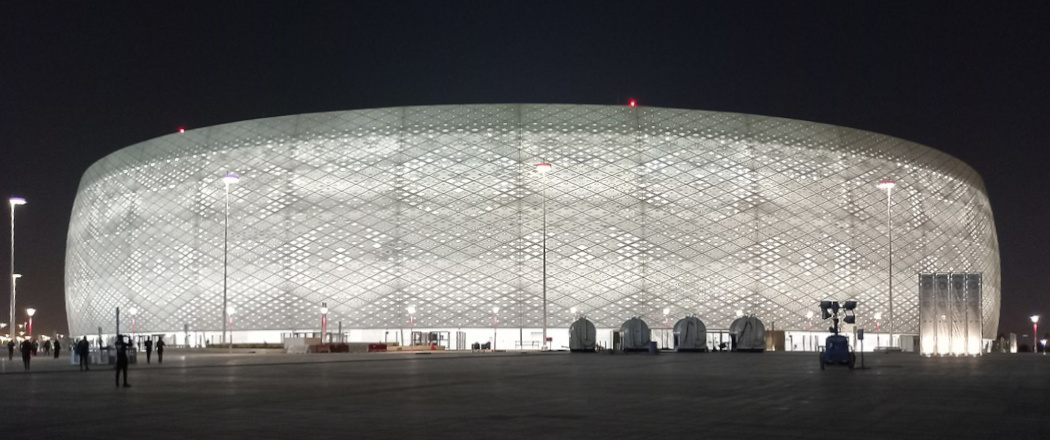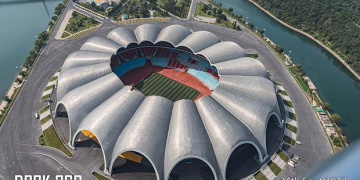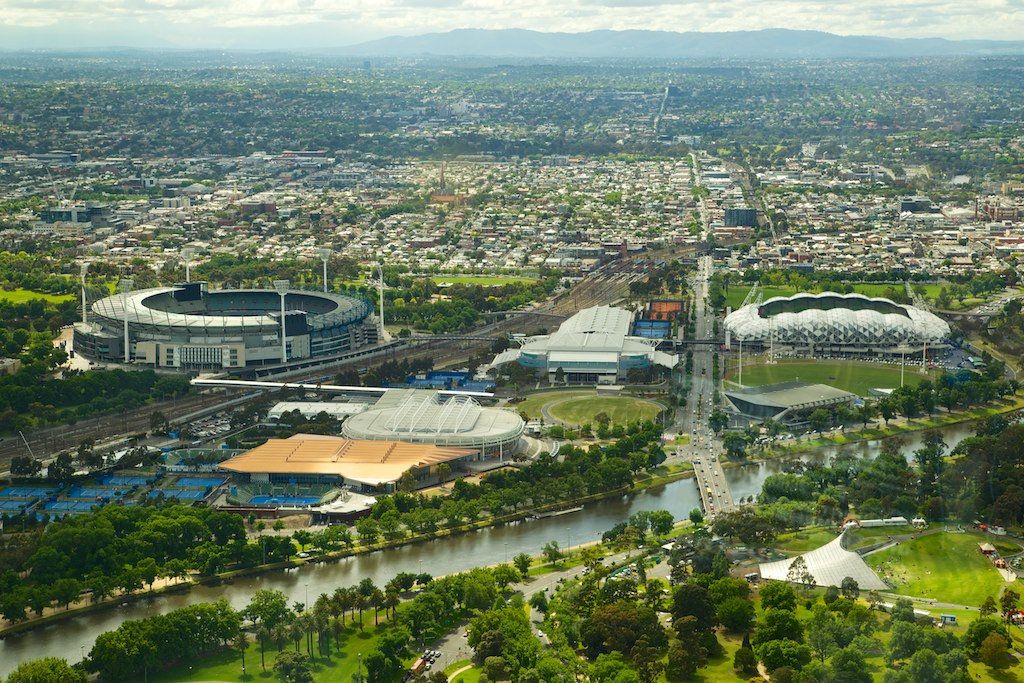
AAMI Park, also known as Melbourne Rectangular Stadium, is one of Australia’s premier sports venues. Located in the heart of Melbourne, this modern facility was specifically designed to cater to the needs of football and rugby. With a seating capacity of 30,050, it is home to Melbourne Victory and serves as a venue for various other sports and entertainment events. The stadium’s design and construction have made it an architectural icon in Melbourne’s sporting landscape.
The History and Development of AAMI Park
Before the construction of AAMI Park, Melbourne only had one decent football stadium – Olympic Park Stadium. However, Olympic Park was not an ideal football venue due to the athletics track surrounding the pitch and its limited seating capacity of just 11,000. The city needed a dedicated venue for rectangular sports like football and rugby, which led to the announcement of the new stadium in 2007.
Located near Melbourne’s MCG and famous tennis courts, AAMI Park was designed to meet the growing demand for a modern sports venue. Initially planned for 20,000 seats with an expansion option to 25,000, the final design saw the stadium’s capacity increase to 30,050. The foundations were also laid to accommodate an additional 20,000 seats in the future if required.
- Inauguration Date: May 7, 2010 (Australia vs New Zealand, Rugby)
- Capacity: 30,050 (29,500 for Rugby)
- Construction Period: 2007-2010
- Cost: AU$ 268 million
Design and Architecture of AAMI Park
AAMI Park stands out due to its innovative design, particularly the unique roof structure. The stadium’s iconic “bioframe” roof was designed by Cox Architects and Arup Sport. This structure uses 50% less steel than traditional truss systems, creating a striking and environmentally friendly design. The roof is made up of 20 interconnected domes, providing both stability and an aesthetically pleasing shape. This design has garnered numerous awards since the stadium’s opening.
The stadium is built with rectangular stands, a perfect fit for the needs of football and rugby, distinguishing it from Melbourne’s other venues, which are more suited to oval-shaped sports like cricket and Australian rules football.
- Architectural Firms: Cox Architects, Arup Sport
- Key Features: “Bioframe” roof, 20 interconnected domes, environmentally friendly design
AAMI Park as a Sporting Hub
AAMI Park is home to Melbourne Victory FC, one of the top football clubs in Australia. It also serves as the base for rugby matches, hosting the Melbourne Rebels (Super Rugby) and various international rugby fixtures. In addition to football and rugby, AAMI Park is a popular venue for concerts and other entertainment events, making it a versatile location in Melbourne’s sports and culture scene.
- Home Clubs: Melbourne Victory FC, Melbourne Rebels (Super Rugby)
- Record Attendance: 29,942 (Australia vs New Zealand, Rugby, 2011)
Future Developments and Expansion
With the stadium’s foundations ready to support further expansion, AAMI Park is poised for future growth. Should the demand arise, the stadium can add another 20,000 seats to accommodate larger crowds. Its location, design, and flexibility ensure that AAMI Park will continue to serve as a major venue for Melbourne’s sporting and entertainment events for years to come.
- Expansion Potential: Capacity increase to 50,000 seats when required
Conclusion
AAMI Park is a remarkable example of modern sports architecture and a cornerstone of Melbourne’s sporting culture. Its innovative design, rich history, and significant role in football and rugby make it a vital venue for the city. Whether it’s hosting A-League matches, Super Rugby games, or major concerts, AAMI Park remains an iconic part of Melbourne’s vibrant sporting and entertainment landscape.