What Is Asbestos Insulation?
Asbestos insulation refers to materials containing asbestos that were commonly used in buildings throughout the 20th century. Asbestos, a group of naturally occurring mineral fibers, was prized for its heat resistance, durability, and insulating properties. These qualities made asbestos insulation ideal for use in various applications, including wall insulation, pipe insulation, and floor insulation in both residential and industrial buildings. Despite its effectiveness, asbestos insulation is hazardous to health when disturbed, as the fibers can become airborne and inhaled.
Why Was Asbestos Used in Insulation?
Asbestos became a popular material in insulation due to its unique properties:
- Fire-Resistance: Asbestos fibers are naturally flame-retardant, making them ideal for insulation.
- Durability: The material is resistant to heat, chemicals, and wear, making it suitable for tough environments.
- Cost-Effectiveness: Asbestos was cheap and widely available, making it an affordable option for widespread use in construction.
Asbestos insulation was typically used in various forms such as loose-fill insulation, spray-on insulation, and block insulation, all of which could be found in older homes, commercial buildings, and industrial settings.
Types of Asbestos Insulation
- Loose-Fill Insulation
Often found in attics, loose-fill asbestos insulation is fluffy and granular. This form of insulation is one of the most hazardous because of its friable nature, meaning it easily releases asbestos fibers into the air when disturbed. - Spray-On Insulation
Used to insulate walls and ceilings, spray-on asbestos insulation is a thick coating that provides effective heat resistance. However, it can be easily damaged or disturbed, releasing dangerous fibers. - Block Insulation
Block or board insulation was used in older homes and commercial buildings. Composed of dense asbestos material, it is less likely to release fibers unless it is broken or cut. - Pipe and Boiler Insulation
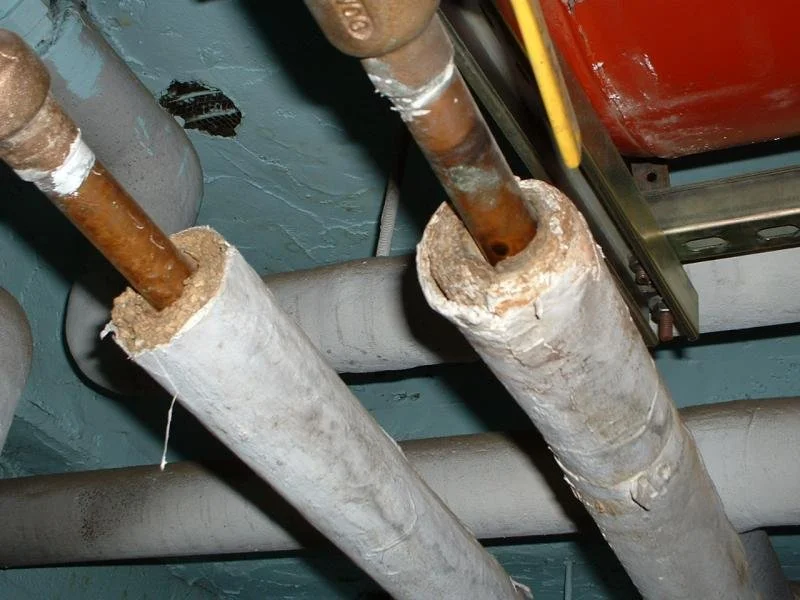
Often used in basements or utility rooms, asbestos pipe insulation was designed to retain heat and prevent fires. This form of insulation is usually wrapped around pipes and boilers and can easily be disturbed during repairs or renovations.
Why Is Asbestos Insulation Dangerous?
Asbestos insulation becomes hazardous when it is disturbed, damaged, or deteriorates over time. When the material breaks down, it releases microscopic fibers into the air, which can be inhaled. Once inhaled, these fibers can cause severe health conditions, including:
- Mesothelioma: A rare and aggressive cancer affecting the lining of the lungs, heart, or abdomen, often caused by asbestos exposure.
- Lung Cancer: Prolonged exposure to asbestos increases the risk of developing lung cancer, especially among smokers.
- Asbestosis: A chronic lung disease caused by the scarring of lung tissue from inhaled asbestos fibers, leading to shortness of breath and chronic coughing.
- Other Cancers: Asbestos exposure has been linked to cancers of the throat, ovaries, and digestive system.
The latency period for these diseases is long—sometimes 10 to 40 years—making early detection difficult. Even limited exposure to asbestos can lead to life-threatening diseases.
Identifying Asbestos Insulation in Your Home
Identifying asbestos insulation in your home can be challenging, especially because it is often hidden within walls, attics, or floors. However, certain signs can indicate the potential presence of asbestos insulation:
- Vermiculite Insulation: This loose-fill material, commonly used in attics, may contain asbestos, especially if sourced from certain mines.
- Loose-Fill Insulation: Found in attics or walls, loose-fill insulation is a fluffy, granular material that may contain asbestos.
- Pipe Insulation: Asbestos pipe insulation often appears as a fibrous material wrapped around pipes, typically in basements or utility rooms.
- Spray-On Insulation: This thick, often grayish material is found on walls and ceilings and may contain asbestos fibers.
If you suspect asbestos insulation in your home, it is crucial to avoid disturbing the material. Only professional inspectors can definitively identify and assess the presence of asbestos through laboratory testing.
How to Safely Handle Asbestos Insulation
If you suspect your home contains asbestos insulation, it’s essential to follow proper safety procedures to minimize the risks of exposure:
- Do Not Disturb It: Asbestos is most dangerous when disturbed. Avoid cutting, sanding, or otherwise disturbing insulation that may contain asbestos.
- Professional Inspection: Hire certified asbestos inspectors to assess your home. These professionals can collect samples and test them for asbestos.
- Asbestos Removal: If asbestos is confirmed, hire licensed professionals to remove or encapsulate the material. Asbestos removal should only be handled by trained experts to prevent exposure.
- Encapsulation: If removal is not feasible, encapsulating the asbestos with a sealant can prevent fiber release and minimize the risk.
Always follow local regulations regarding asbestos management and disposal to ensure safety.
Alternatives to Asbestos Insulation
Given the serious health risks associated with asbestos, modern construction now uses safer materials that provide the same benefits without the hazards:
- Fiberglass Insulation: A widely used alternative, fiberglass is non-toxic and provides excellent heat resistance.
- Cellulose Insulation: Made from recycled paper products, cellulose is environmentally friendly and effective at insulating homes.
- Foam Insulation: Available in spray or rigid forms, foam insulation is effective at sealing and providing thermal resistance.
- Rock Wool (Mineral Wool) Insulation: Made from molten rock, this material is fire-resistant and a safe alternative to asbestos insulation.
These alternatives are now commonly used in residential and commercial construction and are much safer than asbestos-containing materials.
Conclusion
Asbestos insulation, once a widely used material due to its fire resistance and durability, now poses serious health risks when its fibers become airborne. Understanding the types of asbestos insulation, recognizing the risks, and knowing how to safely handle and manage asbestos-containing materials are essential steps in preventing exposure and protecting your health.
If your home or workplace contains asbestos insulation, it is crucial to consult with professionals for inspection and removal. Modern, safe alternatives to asbestos insulation can provide the same benefits without the associated health hazards, ensuring a safer environment for you and future generations.
Disclaimer: This article is for informational purposes only and should not be considered professional advice. If you suspect the presence of asbestos in your home or workplace, consult a certified asbestos professional for testing, removal, or guidance on safe handling.