Welding Companies in the United States support construction, manufacturing, energy, shipbuilding, infrastructure, defense, transportation, aerospace, agriculture, mining, food processing, and industrial maintenance. Their work joins, repairs, strengthens, and fabricates the metal systems that keep buildings, factories, bridges, pipelines, tanks, machinery, equipment, and public infrastructure operating safely.
The welding market is broad. Some companies focus on structural steel welding for commercial buildings. Others specialize in pipe welding, pressure vessels, tanks, industrial maintenance, robotic welding, heavy fabrication, aerospace components, repair welding, or mobile field welding. That means buyers should not treat all welding companies as the same. A firm that can repair a trailer may not be qualified for pressure vessels, bridge components, food-grade stainless steel, or critical industrial piping.
Demand is being driven by infrastructure investment, manufacturing reshoring, data centers, energy projects, industrial maintenance, bridge rehabilitation, defense spending, and automation. At the same time, buyers face skilled-labor shortages, quality-control demands, inspection requirements, material cost pressure, and tighter delivery schedules.
This guide profiles leading Welding Companies in the United States and explains how buyers should evaluate welding providers for industrial, structural, commercial, and custom fabrication work.
Industry Overview: Welding Companies in the United States
The U.S. welding sector includes fabrication shops, structural steel fabricators, pipe welding contractors, tank manufacturers, industrial maintenance firms, aerospace welding specialists, robotic welding providers, and local mobile welding companies.
Common welding processes include MIG, TIG, stick welding, flux-cored arc welding, submerged arc welding, resistance welding, laser welding, orbital welding, and robotic welding. The right process depends on material, thickness, position, code requirements, finish quality, strength, production volume, and inspection standards.
Quality matters because welding failures can cause safety risks, production shutdowns, leaks, structural problems, and expensive rework. The American Welding Society provides professional certification programs and says AWS certifications are designed to recognize welding knowledge and expertise across inspection, supervision, education, engineering, and welding practice.
Ranking Methodology
This directory evaluates companies based on welding capability, fabrication capacity, industry reputation, service range, certifications, project complexity, U.S. market presence, industrial relevance, quality systems, and buyer usefulness.
Because many large welding providers operate as steel fabricators, tank manufacturers, industrial contractors, or manufacturing suppliers, this ranking includes companies that provide welding as a core part of fabrication, construction, maintenance, or production.
Best Welding Companies in the United States
Modern Welding Company
Overview
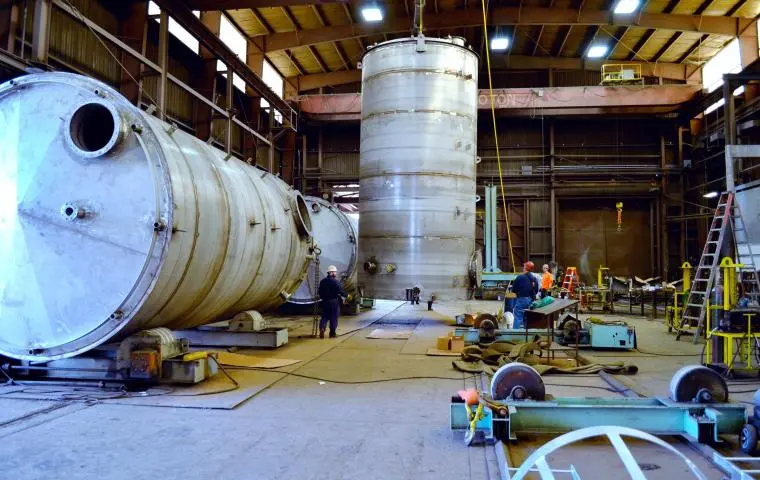
Modern Welding Company is one of the best-known welding and tank manufacturing companies in the United States. Founded in 1932, the company describes itself as the largest underground and aboveground steel tank manufacturer in the United States, with eleven manufacturing subsidiaries nationwide.
Services Offered
Steel tank manufacturing, structural steel fabrication, ASME pressure vessels, custom welding, fabrication, underground storage tanks, aboveground tanks, and industrial steel products.
Industries Served
Fuel storage, water storage, industrial facilities, agriculture, energy, construction, municipalities, commercial properties, and manufacturing.
Notable Projects
Modern Welding supports tank and steel fabrication needs across multiple U.S. regions through its manufacturing subsidiaries.
Competitive Advantages
Its advantage is national manufacturing coverage and long experience in welded steel tanks and pressure-related products.
Headquarters
Owensboro, Kentucky.
Website
modweldco.com
Why It Stands Out
Modern Welding stands out for tank manufacturing, pressure vessels, and welded steel products requiring established manufacturing systems.
Schuff Steel
Overview
Schuff Steel is one of the largest structural steel fabricators and erectors in the United States. Welding is central to its work because structural steel fabrication requires cutting, fitting, welding, inspection, detailing, and project sequencing.
Services Offered
Structural steel fabrication, welding, steel erection, design-assist, detailing coordination, connection planning, project management, and large steel structures.
Industries Served
Commercial buildings, airports, stadiums, healthcare, education, data centers, hospitality, public infrastructure, and industrial projects.
Notable Projects
Schuff has worked on major sports, aviation, commercial, and institutional steel projects across the United States.
Competitive Advantages
Its advantage is scale and combined fabrication-erection delivery.
Headquarters
Phoenix, Arizona.
Website
schuff.com
Why It Stands Out
Schuff Steel stands out for structural welding and fabrication on large building and infrastructure projects.
W&W | AFCO Steel
Overview
W&W | AFCO Steel is a major U.S. steel fabrication and erection company with roots dating back to 1909. The company describes itself as an industry leader in steel design, fabrication, and erection.
Services Offered
Structural steel fabrication, welding, erection, bridge steel, complex structures, project management, and design-assist support.
Industries Served
Stadiums, arenas, bridges, transportation, commercial buildings, civic projects, industrial facilities, and public-sector construction.
Notable Projects
The company has been connected to major high-visibility steel projects, including complex venue and bridge work.
Competitive Advantages
Its advantage is experience with large and technically demanding welded steel structures.
Headquarters
Little Rock, Arkansas.
Website
wwafcosteel.com
Why It Stands Out
W&W | AFCO Steel stands out for complex structural welding, bridges, stadiums, and major public projects.
Lexicon
Overview
Lexicon is a major U.S. steel fabrication, construction, and industrial services company. The company was ranked No. 40 overall among ENR’s 2025 Top 600 Specialty Contractors and No. 3 in steel, according to its company announcement.
Services Offered
Steel fabrication, welding, steel erection, industrial construction, mechanical services, plant maintenance, project management, and construction services.
Industries Served
Industrial facilities, energy, manufacturing, infrastructure, commercial construction, process facilities, and public-sector projects.
Notable Projects
Lexicon supports industrial, commercial, and infrastructure-related steel projects across the United States.
Competitive Advantages
Its advantage is combining welding, fabrication, erection, and industrial construction under one platform.
Headquarters
Little Rock, Arkansas.
Website
lexicon-inc.com
Why It Stands Out
Lexicon stands out for industrial welding, steel fabrication, erection, and large specialty construction projects.
SteelFab
Overview
SteelFab is one of the largest structural steel fabrication companies in the United States. Its work depends heavily on shop welding, detailing coordination, steel processing, and quality-controlled fabrication.
Services Offered
Structural steel fabrication, welding, detailing, project management, connection coordination, miscellaneous metals, and erection coordination.
Industries Served
Commercial buildings, healthcare, education, industrial facilities, sports venues, public projects, and mixed-use developments.
Notable Projects
SteelFab has supported major structural steel projects across the United States.
Competitive Advantages
Its advantage is large fabrication capacity and broad market coverage.
Headquarters
Charlotte, North Carolina.
Website
steelfab-inc.com
Why It Stands Out
SteelFab stands out for large structural welding and steel fabrication projects requiring capacity and schedule discipline.
Banker Steel
Overview
Banker Steel is a major U.S. structural steel fabricator serving commercial, infrastructure, bridge, stadium, and industrial markets. Welding is central to its fabrication process, particularly for complex structural assemblies and bridge components.
Services Offered
Structural steel fabrication, welding, bridge fabrication, detailing, project management, coatings coordination, and erection support.
Industries Served
Commercial construction, bridges, transportation, stadiums, industrial facilities, education, healthcare, and civic projects.
Notable Projects
Banker Steel has supported major commercial, infrastructure, and public-sector projects.
Competitive Advantages
Its advantage is complex steel fabrication capacity, especially for large structures and bridge-related work.
Headquarters
Lynchburg, Virginia.
Website
bankersteel.com
Why It Stands Out
Banker Steel stands out for welded structural steel, bridge components, and complex fabrication.
High Steel Structures
Overview
High Steel Structures is a leading U.S. steel bridge fabricator. Its welding capabilities are especially important because bridge components require strict quality control, inspection, coatings, fit-up, and transportation planning.
Services Offered
Bridge steel fabrication, welding, girder fabrication, fracture-critical bridge components, coatings, project management, and transportation logistics.
Industries Served
Transportation agencies, DOTs, bridge contractors, rail owners, heavy civil contractors, and public infrastructure clients.
Notable Projects
High Steel has fabricated steel for major bridge and transportation projects across the United States.
Competitive Advantages
Its advantage is specialization in bridge steel, where welding quality and certification requirements are especially demanding.
Headquarters
Lancaster, Pennsylvania.
Website
highsteel.com
Why It Stands Out
High Steel Structures stands out for bridge welding, girder fabrication, and transportation infrastructure.
The Systems Group
Overview
The Systems Group is an industrial construction, fabrication, and maintenance company serving heavy industrial markets. The company announced that Systems Contracting Corporation ranked No. 227 on ENR’s 2025 Top 600 Specialty Contractors list.
Services Offered
Industrial welding, fabrication, maintenance, millwright services, mechanical installation, steel erection, equipment installation, and plant support.
Industries Served
Steel mills, manufacturing, industrial facilities, heavy industry, energy, materials processing, and plant operations.
Notable Projects
The Systems Group supports industrial plants and heavy manufacturing operations across the United States.
Competitive Advantages
Its advantage is industrial field welding and maintenance capability in demanding operating environments.
Headquarters
El Dorado, Arkansas.
Website
tsg.bz
Why It Stands Out
The Systems Group stands out for industrial welding, plant maintenance, millwright work, and heavy manufacturing support.
MEI Industrial Solutions
Overview
MEI Industrial Solutions is an industrial services company providing machinery moving, rigging, millwright, mechanical, fabrication, and installation services. The company announced that it ranked No. 100 on ENR’s 2025 Top 600 Specialty Contractors list, marking continued national growth.
Services Offered
Industrial welding, fabrication, mechanical installation, rigging, millwright services, equipment relocation, plant services, and project management.
Industries Served
Manufacturing, semiconductor, data centers, industrial facilities, energy, logistics, technology, and advanced manufacturing.
Notable Projects
MEI supports complex industrial and manufacturing projects across the United States.
Competitive Advantages
Its advantage is industrial project delivery where welding, rigging, installation, and mechanical work must be coordinated.
Headquarters
Dallas, Texas.
Website
meiindustrialsolutions.com
Why It Stands Out
MEI stands out for industrial welding and fabrication connected to complex equipment installation and manufacturing projects.
Local Certified Welding Companies
Overview
Many of the most useful Welding Companies in the United States are local or regional welding shops. These firms serve small manufacturers, contractors, farms, fleets, homeowners, equipment owners, municipalities, and repair customers.
Services Offered
Mobile welding, repair welding, custom fabrication, trailer repair, equipment repair, aluminum welding, stainless steel welding, ornamental ironwork, gates, railings, stairs, platforms, and small structural jobs.
Industries Served
Construction, agriculture, transportation, property management, small manufacturing, municipalities, homeowners, and local businesses.
Notable Projects
Most local welding projects are not publicly listed, but customer references and certification records matter.
Competitive Advantages
Their advantage is local response, practical repair capability, custom work, and flexibility.
Headquarters
Varies by city and state.
Website
Varies by company.
Why It Stands Out
For small fabrication, repairs, and field welding, a certified local welding company is often the best choice.
Industry Trends Affecting Welding Companies
Skilled Welder Shortages
Many U.S. manufacturers and contractors face shortages of qualified welders, inspectors, and fabricators. Companies with apprenticeship programs, training partnerships, and certified personnel have an advantage.
Robotic and Automated Welding
Manufacturers increasingly use robotic welding, automated fixtures, laser welding, and digital quality controls to improve consistency, speed, and productivity.
Infrastructure and Bridge Work
Bridge replacement, transportation upgrades, and public infrastructure investment continue to support demand for certified welding and steel fabrication.
Industrial Maintenance Demand
Factories, plants, mills, and energy facilities require welding for repairs, shutdowns, equipment installation, and production-line modifications.
Quality and Inspection Requirements
More buyers expect welding procedure specifications, welder qualifications, nondestructive testing, traceability, and documentation.
Advanced Materials
Stainless steel, aluminum, high-strength steels, specialty alloys, and corrosion-resistant materials require more specialized welding skills.
Buyer’s Guide: How to Choose Welding Companies
Match the Company to the Welding Type
Structural welding, pipe welding, aluminum welding, stainless steel welding, pressure vessel welding, bridge welding, and repair welding require different qualifications.
Ask About Certifications
Ask whether welders are qualified for the relevant process, position, material, and code. AWS certification or code-specific qualifications can be important depending on the project.
Review Similar Work
Ask for examples of similar projects. A repair welder may not be qualified for pressure vessels, bridge steel, food-grade stainless work, or critical structural welding.
Check Inspection and Quality Control
For critical work, ask about welding procedure specifications, welder qualification records, inspection, nondestructive testing, and documentation.
Understand Materials and Processes
Confirm that the company can work with the required material and process, whether it is carbon steel, stainless steel, aluminum, pipe, plate, structural steel, or specialty alloy.
Watch for Red Flags
Red flags include no qualifications, vague pricing, poor documentation, weak safety practices, no insurance, no relevant references, and inability to explain inspection requirements.
Why Welding Companies Matter in the United States
Welding companies support the physical systems behind construction, manufacturing, energy, transportation, infrastructure, agriculture, and industrial maintenance. Their work helps keep machines operating, bridges standing, tanks sealed, buildings framed, pipelines connected, and factories productive.
Good welding improves safety, durability, productivity, and project reliability. Poor welding can lead to cracks, leaks, failures, rework, downtime, and safety risks.
As U.S. infrastructure, manufacturing, energy, and construction markets continue to evolve, qualified Welding Companies in the United States will remain essential to national productivity and industrial resilience.
Conclusion
The leading Welding Companies in the United States include Modern Welding Company, Schuff Steel, W&W | AFCO Steel, Lexicon, SteelFab, Banker Steel, High Steel Structures, The Systems Group, MEI Industrial Solutions, and strong local certified welding companies. Each serves a different market. Modern Welding is strong in tanks and pressure-related products. Schuff, W&W | AFCO, Lexicon, SteelFab, Banker Steel, and High Steel are major structural and bridge fabrication names. The Systems Group and MEI are important industrial welding and plant-services providers. Local certified welding shops remain essential for custom fabrication, repair, and field welding.
For buyers, the best welding company is the one with the right qualifications, process knowledge, inspection standards, material experience, safety culture, and project references.
Frequently Asked Questions
What are the best Welding Companies in the United States?
Some of the best-known Welding Companies in the United States include Modern Welding Company, Schuff Steel, W&W | AFCO Steel, Lexicon, SteelFab, Banker Steel, High Steel Structures, The Systems Group, MEI Industrial Solutions, and certified local welding companies. The best choice depends on whether the project involves structural steel, tanks, pipe welding, industrial maintenance, bridge components, repair work, or custom fabrication.
What does a welding company do?
A welding company joins, repairs, or fabricates metal components using welding processes such as MIG, TIG, stick, flux-cored, submerged arc, robotic welding, or orbital welding. Services may include structural welding, pipe welding, tank fabrication, equipment repair, metal fabrication, industrial maintenance, field welding, and custom metalwork.
How do I choose a welding company?
Choose a welding company based on project type, material, certifications, inspection requirements, safety record, insurance, references, and similar experience. For critical work, ask for welding procedure specifications, welder qualification records, and inspection documentation. For small repair work, local reputation and practical experience may matter most.
Do welders need certification in the United States?
Certification depends on the work. Some general repair welding may not require formal certification, but structural, bridge, pressure vessel, pipe, industrial, and code-regulated welding often requires qualified welders and documented procedures. AWS certification is widely recognized in the welding industry.
What is the difference between welding and fabrication?
Welding is the process of joining metal pieces together. Fabrication is the broader process of creating metal products or structures, which may include cutting, bending, drilling, fitting, welding, grinding, coating, and assembly. Many fabrication companies provide welding as a core service.
Which welding companies are best for structural steel?
Schuff Steel, W&W | AFCO Steel, Lexicon, SteelFab, Banker Steel, High Steel Structures, and similar certified fabricators are strong candidates for structural steel welding. Buyers should check AISC certification, welding procedures, project experience, and erection coordination before hiring.
Which welding companies are best for tanks?
Modern Welding Company is a major name in U.S. steel tank manufacturing. Buyers needing tanks should verify whether the project requires underground tanks, aboveground tanks, pressure vessels, ASME standards, coatings, corrosion protection, testing, or regulatory compliance.
How much does welding cost in the United States?
Welding costs vary based on material, thickness, process, location, labor, inspection requirements, complexity, accessibility, emergency timing, and finishing needs. A small repair costs far less than structural steel fabrication, bridge components, pressure vessels, or industrial shutdown welding.
What are warning signs of a weak welding company?
Warning signs include no relevant qualifications, poor documentation, unclear pricing, weak references, no insurance, poor safety practices, and inability to explain welding procedures or inspection requirements. For critical work, avoid companies that cannot provide welder qualification records or quality-control documentation.
Why are welding companies important?
Welding companies are important because they support construction, manufacturing, transportation, energy, infrastructure, and equipment repair. Good welding helps structures, machines, tanks, bridges, and industrial systems operate safely and reliably.
Read Also: Steel Fabricators in the United States