The top pulp paper companies in the world are navigating a challenging era of declining demand due to digitalization. Despite this, modern society still relies heavily on paper products for hygiene, packaging, and construction. To stay relevant, these companies are innovating, diversifying, and incorporating sustainable practices, responding to environmental criticism and market pressures.
10. Svenska Cellulosa – Revenue: $2.2 billion | Location: Sudsvall, Sweden
Founded in 1929 by Ivar Kreuger, Svenska Cellulosa AB expanded through mergers, acquiring Molnlycke Health Care in 1975 to diversify into disposable hygiene products. Its Sundsvall headquarters manages nearly 4,000 employees and 2.6 million hectares of private forest, making it Europe’s largest private forest owner. Despite innovation, the company faces lawsuits and environmental criticism over clearcutting practices.
9. Smurfit Kappa Group – Revenue: $10.4 billion | Location: Dublin, Ireland
Established in 1934 as Smurfit-Stone Container Corporation, Smurfit Kappa now employs 45,000 people across 35 countries. A leader in sustainable packaging, it received five Nestle Supplier Awards in 2020 for reducing its carbon footprint with innovative packaging solutions.
8. Nippon Unipac Holding (Nippon Paper Industries) – Revenue: $11 billion | Location: Tokyo, Japan
Founded in 1949 as Jujo Paper Co., Nippon Paper Industries has expanded globally, acquiring subsidiaries like Australian Paper. With 33 subsidiaries and 11 associates, the company also produces chemicals, lumber, and film, remaining Japan’s largest paper producer.
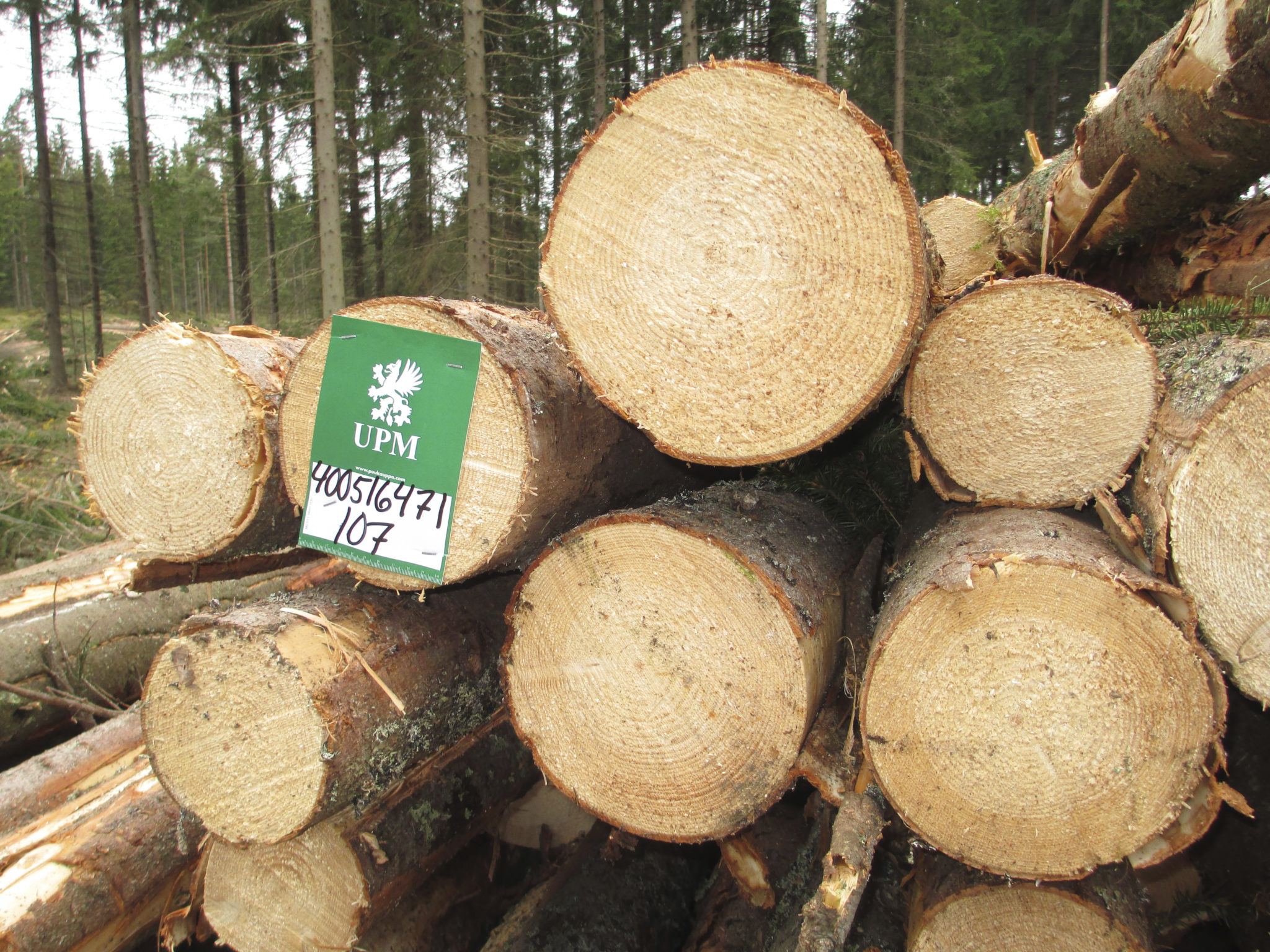
7. UPM-Kymmene Oyj (UPM) – Revenue: $11.24 billion | Location: Helsinki, Finland
UPM, founded in 1996, operates internationally in 13 countries with nearly 20,000 employees. Focused on sustainable forestry and bio-industrial innovation, it runs six business groups including Biorefining, Raflatac, and Paper ENA. Its oldest mill dates to the 15th century, and its griffin logo is Finland’s longest-standing corporate emblem.
6. Stora Enso – Revenue: $12.1 billion | Location: Helsinki, Finland
Stora Enso is the world’s oldest paper company, originating in 1288 as a copper mining enterprise. It shifted to pulp and paper in the 19th century and now employs 25,000 across 35 countries. The company is a leading international provider of renewable biomaterials and paper products.
5. Oji Holdings Company – Revenue: $14.1 billion | Location: Tokyo, Japan
Founded in 1873, Oji Holdings has 86 production sites in Japan and 143,000 hectares of forest worldwide. It dominates packaging, paper, and lumber production and remains one of Japan’s most influential pulp and paper corporations.
4. Procter & Gamble – Revenue: $17.1 billion | Location: Cincinnati, Ohio, USA
Originally a soap and candle company in 1837, Procter & Gamble entered the paper industry with Charmin in 1957. Its diverse product line includes hygiene, skincare, and baby care. The company has faced animal testing criticisms, investing $275 million in alternative testing.
3. WestRock – Revenue: $18 billion | Location: Atlanta, Georgia, USA
Founded in 2015, WestRock has quickly grown into a major paper packaging company. It ranks 194th on the Fortune 500 and has acquired numerous packaging and manufacturing companies, making it the second-largest American packaging company.
2. Kimberly-Clark Corp. – Revenue: $18.45 billion | Location: Irving, Texas, USA
Kimberly-Clark, founded in 1872, is a global leader in hygiene products with brands like Kotex, Kleenex, Cottonelle, Scott, and Huggies. Operating in 38 countries, it also runs initiatives like Toilets Change Lives and Water For People to improve sanitation worldwide.
1. International Paper – Revenue: $22.4 billion | Location: Memphis, Tennessee, USA
Incorporated in 1898, International Paper became a leader in newsprint after merging 17 logging companies. Operating in 24 countries with over 55,000 employees, it remains the largest and most profitable pulp and paper company globally.
Despite digital disruption, these top pulp paper companies continue to innovate, diversify, and invest in sustainable solutions, ensuring their relevance in the evolving global market.