


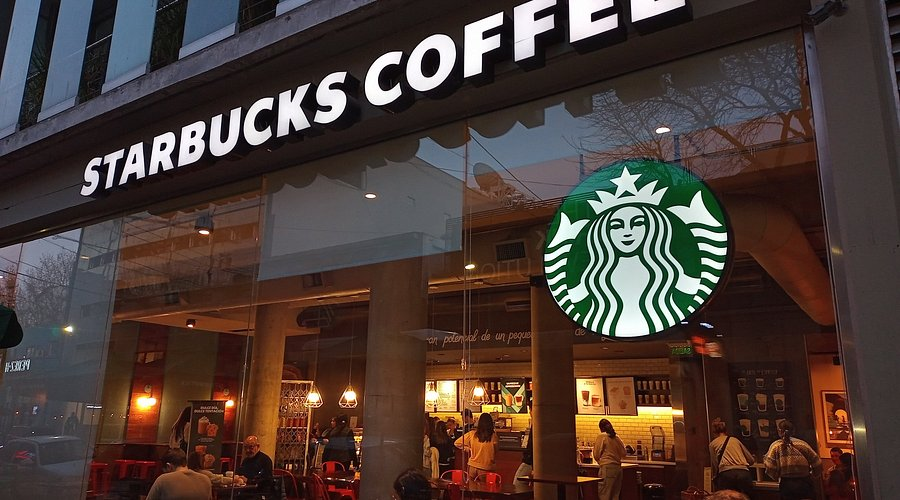
Starbucks loyalty strategy is no longer just about free drinks, birthday rewards, or encouraging customers to visit more often. It has become a powerful business system that blends prepaid customer balances, mobile payments, behavioral data, personalized marketing, and repeat purchasing into one of the most sophisticated loyalty models in modern retail.
At first glance, Starbucks Rewards looks like a simple app-based program. Customers load money, earn Stars, place orders, and redeem rewards. But beneath that familiar experience sits a financial and behavioral machine that gives Starbucks several advantages at once.
The company receives cash before customers buy coffee. It reduces payment friction. It gathers detailed purchasing data. It encourages higher spending. It increases visit frequency. It also keeps customers inside Starbucks’ own digital ecosystem instead of relying entirely on banks, credit card networks, or third-party delivery platforms.
That is what makes the model so important. Starbucks has not merely built a loyalty program. It has created a closed-loop retail finance system wrapped inside a coffee app.
What Is Starbucks?
Starbucks is one of the world’s most recognizable coffeehouse brands, known for its coffee, espresso drinks, teas, food items, drive-thru locations, mobile ordering, and global retail presence. The company operates in a highly competitive consumer market where convenience, habit, brand loyalty, and customer experience matter as much as product quality.
Unlike many restaurant chains that depend mainly on physical store traffic, Starbucks has spent years building a digital relationship with its customers. Its mobile app is central to that strategy. Through Starbucks Rewards, customers can preload funds, pay in stores, order ahead, collect Stars, receive personalized offers, and redeem rewards.
This gives Starbucks a major advantage. The company does not only know that a customer bought a drink. It can understand what they bought, when they bought it, how often they visit, which store they prefer, and what offers might bring them back.
That level of customer insight turns the app into far more than a payment tool. It becomes a data platform, a marketing engine, and a loyalty system that supports long-term customer value.
Why Starbucks Loyalty Strategy Matters
Starbucks loyalty strategy matters because it shows how a consumer brand can turn everyday transactions into a deeper business advantage.
Many companies run loyalty programs. Airlines offer miles. Hotels offer points. Supermarkets offer discounts. Restaurants offer free items after repeated visits. But Starbucks has built a system that goes beyond basic rewards.
Its model matters for five major reasons.
First, Starbucks receives customer money in advance through app reloads and gift card balances. This creates a large pool of stored value that sits on the company’s balance sheet before drinks are purchased.
Second, the app reduces friction. Customers can order and pay quickly, which makes the buying process feel easier and faster.
Third, prepaid balances change spending psychology. Once customers have money loaded into the app, buying another coffee can feel less painful than paying directly by card or cash each time.
Fourth, Starbucks gains valuable behavioral data. This data can support menu decisions, personalized promotions, store planning, and customer retention.
Fifth, the system increases customer stickiness. A customer with stored value, accumulated Stars, and personalized offers has more reasons to return.
That combination gives Starbucks a financial, operational, and marketing advantage.
How the Starbucks Loyalty Strategy Works
The core of the system is simple: customers load money into the Starbucks app or onto a Starbucks card, then use that balance to pay for purchases.
In return, they earn Stars. These Stars can later be redeemed for drinks, food, or other rewards depending on the structure of the program. The customer sees convenience and perks. Starbucks sees prepaid capital, loyalty behavior, payment control, and data.
| Feature | How It Works | Business Value |
|---|---|---|
| Preloaded balances | Customers add money before buying | Creates interest-free customer funding |
| Stars and rewards | Customers earn rewards for spending | Encourages repeat visits |
| Mobile order and pay | Customers order through the app | Reduces friction and wait times |
| Personalized offers | App users receive targeted promotions | Increases frequency and basket size |
| Gift cards | Customers buy or receive stored value | Adds float and possible breakage |
| Data tracking | Starbucks learns purchase habits | Improves marketing and operations |
This structure gives Starbucks something many retailers want: a direct, repeatable relationship with customers.
Instead of waiting for customers to walk in and decide what to buy, Starbucks can influence behavior before the visit happens. The app can remind users, promote seasonal drinks, highlight offers, and make ordering easier.
Prepaid Balances and the $1.8 Billion Float
One of the most powerful parts of Starbucks’ model is its stored-value balance. The company has held more than $1.8 billion in customer deposits through its app and gift cards.
This money is not the same as a bank deposit, but it behaves like a form of customer-funded working capital. Customers give Starbucks cash before receiving goods. Starbucks can then hold that liability until the money is spent, redeemed, or, in some cases, never used.
That creates what financial analysts often call float.
For banks and insurance companies, float can be extremely valuable because it provides capital that can be used before claims, withdrawals, or redemptions occur. Starbucks has created a retail version of that idea. Customers voluntarily preload balances because they want convenience, rewards, and a smoother checkout experience.
| Financial Element | Starbucks Benefit |
| Customer preloads money | Starbucks receives cash before the sale |
| Balance remains unused temporarily | Starbucks holds interest-free float |
| Customer spends later | Starbucks fulfills the sale using stored value |
| Some balances go unused | Starbucks may recognize breakage |
| App payment replaces repeated card swipes | Starbucks may reduce some transaction costs |
The genius of the system is that customers do not experience it as lending money to Starbucks. They experience it as convenience.
That is why the model works so well. It turns customer behavior into a financial advantage without making the experience feel financial.
Why Customers Preload Money
Customers preload money into Starbucks accounts because the process feels convenient, rewarding, and familiar.
The app removes several small barriers from the buying process. A customer does not need to pull out a wallet, wait to pay, or think carefully about each individual transaction. Once money is inside the app, the purchase feels easier.
This is important because small moments of friction can reduce spending. If buying coffee is quick, familiar, and rewarding, the habit becomes stronger.
Preloading also creates a psychological effect. A customer who already has money in the app may feel that the money has already been spent. That makes the next purchase feel less like a new expense and more like using an existing balance.
For Starbucks, that is powerful. The customer is more likely to return because the app balance creates a reason to choose Starbucks over a competitor.
The Role of Customer Data
The Starbucks app gives the company a detailed view of customer behavior.
Starbucks can learn what drinks customers buy, when they visit, where they shop, how often they return, and what types of offers influence them. This information can support smarter decisions across the business.
Customer data can help Starbucks understand:
- Which drinks are most popular at different times of day
- Which customers respond to promotions
- Which menu items drive higher spending
- Which stores attract frequent app users
- Which seasonal products create repeat visits
- Which offers bring inactive customers back
This makes the app a business intelligence tool.
The value of this data may be even greater over time than the stored-value balances. Money loaded into the app supports cash flow, but data supports long-term strategy. It helps Starbucks personalize offers, improve operations, and defend customer loyalty in a competitive market.
Personalization and Deep Customer Engagement
A strong loyalty program does not treat every customer the same. Starbucks understands this well.
The company uses customer behavior to deliver more relevant promotions and experiences. A customer who frequently orders cold drinks may receive different offers from someone who prefers hot espresso drinks. A morning commuter may respond to a different incentive than an occasional weekend visitor.
This kind of personalization makes the customer feel recognized. It also helps Starbucks avoid wasting promotions on people who are unlikely to respond.
The result is a stronger relationship between the customer and the brand.
| Personalization Tool | Customer Effect | Business Effect |
| Birthday rewards | Makes the program feel personal | Increases emotional loyalty |
| Targeted offers | Encourages specific purchases | Raises average order value |
| App reminders | Brings customers back | Improves visit frequency |
| Rewards tracking | Shows progress toward benefits | Keeps users engaged |
| Mobile dashboard | Centralizes the experience | Strengthens app dependence |
Personalization matters because loyalty is not only about discounts. It is about habit, recognition, convenience, and perceived value.
Mobile Ordering and Payment Control
Mobile order and pay is another major part of Starbucks’ digital strategy.
When customers order through the app, Starbucks gains more control over the transaction. The company can manage ordering, payment, rewards, promotions, and customer data in one place.
This reduces dependence on third-party platforms and gives Starbucks a direct digital channel. That matters because many restaurants struggle to own their customer relationships when orders flow through delivery apps or outside payment systems.
Starbucks’ app keeps the customer inside its own ecosystem.
The mobile ordering system also improves speed and convenience. Customers can order ahead, skip the line, and pick up their drinks with less waiting. This supports more frequent use, especially among busy customers who value time.
In a high-frequency business like coffee, convenience can be a major competitive weapon.
How Starbucks Reduces Payment Costs
The Starbucks app may also help reduce some payment-related costs.
When customers preload larger amounts into the app, Starbucks may avoid paying certain fixed card-processing fees on every small transaction. Instead of processing a card payment for every coffee, the company processes the reload transaction and then handles later purchases inside its own stored-value system.
This does not mean Starbucks avoids all payment costs. Card processing still exists when customers load funds. But the closed-loop model can reduce repeated transaction friction and may improve payment economics at scale.
The larger benefit is control.
By moving customers into its own payment environment, Starbucks gains more influence over the checkout experience, the customer journey, and the data attached to each purchase.
Breakage: The Hidden Profit Layer
Breakage refers to stored value that customers never redeem.
In loyalty and gift card programs, breakage can become financially meaningful. Some customers lose cards, forget balances, stop visiting, or leave small amounts unused. Over time, a portion of stored value may never turn into a redeemed product.
For Starbucks, this adds another layer to the economics of the program.
| Stored-Value Outcome | Meaning for Starbucks |
| Balance is spent quickly | Starbucks earns revenue from the purchase |
| Balance remains unused temporarily | Starbucks holds customer-funded float |
| Balance is never used | Starbucks may benefit from breakage |
| Balance encourages return visits | Starbucks increases retention |
| Balance supports larger orders | Starbucks improves average spending |
Breakage is not the main reason customers join the program, but it can strengthen the financial value of the system.
The more important lesson is that prepaid loyalty programs can create multiple benefits at once. They can increase loyalty, support cash flow, reduce payment friction, and generate additional value from unused balances.
Competitive Impact of Starbucks Loyalty Strategy
Starbucks loyalty strategy gives the company a competitive advantage in several ways.
First, it makes the customer relationship more direct. Starbucks does not need to rely only on foot traffic, advertising, or third-party platforms to reach loyal customers. Its app gives the company a direct line to millions of users.
Second, it raises switching costs. A customer with money in the app, accumulated Stars, and personalized offers has more reasons to return to Starbucks instead of visiting another coffee chain.
Third, it improves customer insight. Competitors may know what sells in stores, but Starbucks can connect purchases to individual app behavior.
Fourth, it supports premium pricing. A strong loyalty ecosystem can make customers less focused on price alone because they are also considering convenience, rewards, and habit.
Finally, it gives Starbucks a scalable platform for future services, promotions, and digital engagement.
Advantages of the Starbucks Loyalty Strategy
Stronger Customer Retention
The program gives customers a reason to return. Stars, app balances, and personalized offers all make Starbucks more habit-forming.
Higher Purchase Frequency
Customers who use the app may visit more often because ordering is easier and rewards create motivation.
Better Customer Data
The app helps Starbucks understand individual customer behavior, which can improve marketing and operations.
Interest-Free Customer Funding
Preloaded balances give Starbucks access to customer cash before products are redeemed.
Lower Checkout Friction
Mobile payment and order-ahead features make transactions faster and more convenient.
Stronger Brand Loyalty
The rewards program turns ordinary coffee purchases into a relationship between the customer and the brand.
Disadvantages and Risks of the Starbucks Loyalty Strategy
Customer Backlash
When Starbucks changes reward thresholds, customers may feel that the program has become less generous. This can damage goodwill if loyal users believe they are receiving less value.
Program Inflation
As more customers earn rewards, Starbucks must manage the cost of redemptions carefully. If rewards become too expensive, the program can pressure margins.
Dependence on Digital Engagement
A loyalty model built around an app requires customers to keep using that app. If users become less engaged, the system loses power.
Privacy Concerns
Customer data is valuable, but companies must handle it responsibly. Poor data practices can harm trust.
Operational Pressure
Mobile ordering can increase store volume and complexity. If stores become crowded or service slows, convenience can turn into frustration.
Reputation Risk
If customers feel the program is designed mainly to extract value, Starbucks may face criticism even if the rewards remain popular.
Case Study: The Shift to Spend-Based Rewards
One of Starbucks’ most important loyalty changes was the move from visit-based rewards to spend-based rewards.
Under a visit-based system, customers could earn rewards by making frequent low-cost purchases. Under a spend-based system, customers earn based on how much they spend.
This change matters because it aligns rewards more closely with revenue. Customers who buy larger or more premium items earn more Stars, while Starbucks encourages higher average transaction values.
From a business perspective, the logic is clear. A spend-based program rewards the customers who contribute more revenue. It also encourages customers to add food, try premium drinks, or increase order size.
However, the change also shows the delicate balance in loyalty design. Customers want value. Companies want profitability. If the program becomes too generous, it may hurt margins. If it becomes too strict, customers may feel punished.
Starbucks’ challenge is to keep that balance.
Case Study: The Starbucks App as a Behavioral Lab
The Starbucks app functions like a behavioral lab because it gives the company real-time insight into customer decisions.
Every order can reveal patterns. A customer may buy iced drinks in the afternoon, hot drinks in the morning, or seasonal items during promotions. Another customer may respond strongly to bonus Star offers but ignore general discounts.
This allows Starbucks to move beyond broad marketing. Instead of sending the same offer to everyone, the company can target customers based on behavior.
That is powerful because personalized promotions often feel more relevant. A relevant offer can bring a customer back without requiring a broad discount campaign.
For Starbucks, this means the loyalty program is not only a retention tool. It is a testing platform for products, pricing, promotions, and customer engagement.
Common Mistakes When Analyzing Starbucks Rewards
Many people misunderstand the Starbucks loyalty model because they only see the customer-facing rewards.
The first mistake is thinking the program is mainly about free drinks. Rewards are important, but the deeper value comes from prepaid balances, data, payment control, and customer retention.
The second mistake is comparing Starbucks Rewards to a basic punch-card program. The Starbucks model is more advanced because it combines loyalty, payments, personalization, and mobile ordering.
The third mistake is ignoring breakage. Unused stored value can be financially meaningful in a large program.
The fourth mistake is assuming customers always make rational spending decisions. Preloaded balances can change how customers perceive spending.
The fifth mistake is overlooking the role of habit. Coffee is a repeat-purchase category. That makes loyalty especially powerful because small increases in visit frequency can have a large impact over time.
Lessons for Business Owners and Investors
Starbucks offers several useful lessons for business owners, operators, and investors.
The first lesson is that loyalty programs work best when they match the purchase pattern of the business. Starbucks sells a product people buy frequently. That makes rewards more engaging than they would be for a product purchased once every few years.
The second lesson is that convenience can be as powerful as discounts. The app saves time, simplifies payment, and makes ordering easier.
The third lesson is that customer data becomes more valuable when it leads to better decisions. Collecting data is not enough. The company must use it to improve offers, products, staffing, and customer experience.
The fourth lesson is that loyalty programs must be financially disciplined. Rewards should encourage profitable behavior, not simply give away margin.
The fifth lesson is that trust matters. If customers feel manipulated, loyalty can weaken. A successful program must create value for both the company and the customer.
Key Takeaways
- Starbucks Rewards is more than a customer perks program.
- The app helps Starbucks collect prepaid balances before purchases happen.
- Stored-value balances create a form of interest-free customer funding.
- Mobile payments reduce friction and strengthen customer habits.
- Starbucks gains valuable behavioral data from app users.
- Personalization helps increase engagement and repeat visits.
- Spend-based rewards encourage higher transaction values.
- Breakage from unused balances can add financial value.
- The loyalty system strengthens Starbucks’ competitive position.
- Program changes can create customer backlash if rewards feel less valuable.
- The model works especially well because coffee is a high-frequency purchase.
- Starbucks shows how loyalty, payments, and data can become a business strategy.
Frequently Asked Questions
What is Starbucks loyalty strategy?
Starbucks loyalty strategy is the company’s use of rewards, prepaid app balances, mobile payments, personalized offers, and customer data to increase retention, spending, and repeat visits.
Why is Starbucks Rewards so successful?
Starbucks Rewards works because it combines convenience, habit, personalization, and incentives. Customers get a smoother experience, while Starbucks gains loyalty, data, and prepaid cash flow.
How does Starbucks make money from its app?
Starbucks makes money when customers buy products through the app. The company also benefits from prepaid balances, customer data, repeat purchases, possible payment efficiencies, and unused stored value.
What is Starbucks stored-value float?
Stored-value float is money customers load into Starbucks accounts or gift cards before spending it. Starbucks holds that balance until customers redeem it for purchases.
Why do customers preload money into Starbucks?
Customers preload money because it makes payment faster, helps them earn rewards, and creates a more convenient ordering experience.
Does Starbucks act like a bank?
Starbucks is not a bank, but its app creates bank-like economics in one narrow sense: customers place money into stored-value accounts before spending it.
What is breakage in Starbucks Rewards?
Breakage is the portion of stored value that customers never redeem. In large loyalty and gift card programs, breakage can become financially meaningful.
Why did Starbucks move to spend-based rewards?
A spend-based system encourages customers to spend more per visit because rewards are tied to dollars spent rather than simply the number of visits.
What risks does Starbucks face with its loyalty program?
The main risks include customer backlash, privacy concerns, higher reward costs, app fatigue, operational pressure, and reduced trust if the program feels less generous.
Can other companies copy Starbucks Rewards?
Some can copy parts of it, but the full model works best for brands with frequent purchases, strong customer loyalty, owned stores, digital payment capability, and enough scale to support personalization.
Conclusion
Starbucks loyalty strategy shows how a simple rewards program can become a powerful business engine when it combines customer psychology, prepaid balances, mobile ordering, personalization, and data.
The company has built a system that encourages customers to return more often, spend through its own app, and keep money inside the Starbucks ecosystem. At the same time, Starbucks gains valuable insights into customer behavior and creates a pool of stored value that supports its broader business model.
The strategy is not without risks. Customers can push back when rewards become less generous, and Starbucks must continue balancing profitability with perceived value. But the broader lesson is clear: loyalty programs are most powerful when they are not treated as marketing expenses, but as integrated business systems.
For Starbucks, rewards are not just about coffee. They are about habit, payments, data, and long-term customer control.
Disclaimer: This article is for informational and educational purposes only. It is not investment advice, financial advice, or a recommendation to buy or sell any security. Always conduct your own research and consider speaking with a qualified financial adviser before making investment decisions.
Read Also: Eastern Africa Cities: Top 10 Leading Urban Centres in 2026


