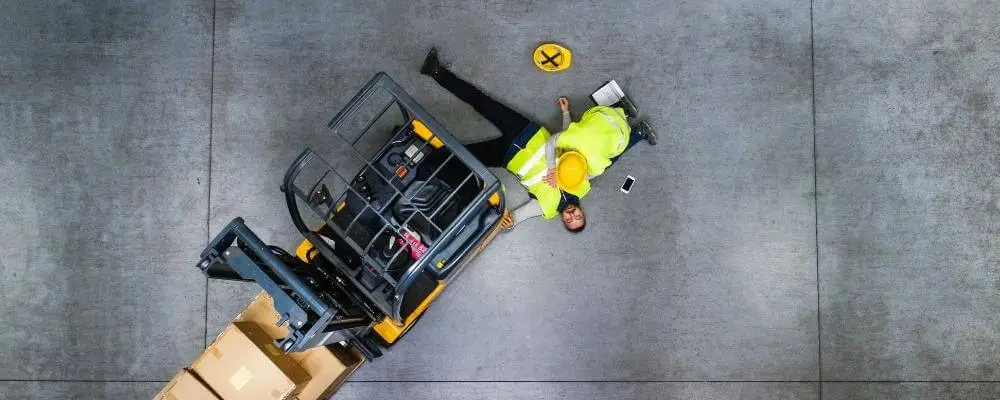
Accident investigation and risk management hinge on understanding the factors that contribute to incidents. Two critical terms in this process are surface causes and root causes. These terms are essential for developing a clear and effective safety management system. While it may be tempting to fix what is immediately visible after an accident, failure to investigate the deeper issues could result in the recurrence of similar incidents. This blog explores the distinctions between these two types of causes and how addressing both leads to a safer, more efficient work environment.
What are Surface Causes?
Surface causes are the immediate, visible factors that contribute to an accident. They are typically the conditions or actions that directly cause the incident. These causes are often easier to identify and address in the short term.
Surface causes can be classified into two categories:
- Hazardous Conditions:
- These include tools, machinery, or equipment that are defective or inadequately guarded.
- It can also refer to physical states, like poor lighting or slippery floors.
- Unsafe practices or a failure to maintain a safe work environment often result in hazardous conditions.
- Unsafe or Inappropriate Behaviors:
- This includes actions that are either intentional or accidental but violate safety protocols, such as not using protective equipment or neglecting safety checks.
While these causes are visible and may be corrected immediately, they usually point to deeper, more systemic issues that need attention.
What are Root Causes?
Root causes refer to the underlying systemic issues that contribute to surface causes. These issues are often hidden and require a deeper investigation to uncover. Root causes are typically related to the organization’s safety management system (SMS), which encompasses the policies, procedures, training, and cultural elements of workplace safety.
Root causes can be categorized into two main types:
- SMS Design Root Causes:
- These are issues with the design of safety management system components, such as inadequate policies, programs, or procedures.
- For example, a lack of a clear protocol for cleaning up spills might lead to wet floors that cause slips, which is a surface cause.
- SMS Performance Root Causes:
- These arise from failures in the implementation or enforcement of the safety system. A well-designed safety policy may be ineffective if not properly communicated or followed.
- For example, employees may ignore safety procedures due to a lack of training or supervision.
Root causes often span across the organization and can involve multiple factors, such as management practices, organizational culture, or resource allocation.
Surface Cause vs. Root Cause: Key Differences
| Aspect | Surface Cause | Root Cause |
|---|---|---|
| Nature of Cause | Immediate, visible factors that led to the incident. | Underlying systemic issues contributing to surface causes. |
| Level of Analysis | Basic investigation focused on the incident itself. | Deep investigation into broader systemic issues. |
| Example | Surface Cause: Employee slips on a wet floor. | Root Cause: No procedure for cleaning spills (design issue) or lack of training (performance issue). |
| Impact of Resolution | Solves the immediate problem but doesn’t address other potential risks. | Prevents multiple incidents by addressing systemic issues. |
| Time Perspective | Short-term focus on immediate events. | Long-term focus on trends, patterns, and organizational weaknesses. |
| Addressability | Easy to identify and address. | Harder to identify, often requiring significant organizational changes. |
| Scope | Specific to the incident at hand. | Organization-wide, impacting culture, policies, and procedures. |
How to Address Surface Causes and Root Causes?
To prevent incidents effectively, it’s crucial to address both surface and root causes:
- Surface Causes: These can often be corrected immediately. For instance, cleaning up a wet floor, repairing faulty equipment, or addressing unsafe behaviors through training can resolve the immediate danger.
- Root Causes: Addressing root causes requires a more in-depth approach. For example, implementing a clear protocol for cleaning spills, enhancing training programs, or improving safety policies can help eliminate the systemic issues that contribute to surface causes.
Example: Surface Cause vs. Root Cause in a Workplace Incident
Surface Cause: An employee slips on a wet floor and falls. The immediate issue is the presence of the wet floor, which is the surface cause.
Root Cause: The root cause might be the absence of a standard procedure for cleaning spills promptly. Alternatively, there may be a lack of training in safety practices or a failure in enforcing the existing cleaning protocol. Addressing these systemic issues would prevent the recurrence of such accidents.
Conclusion
Understanding the distinction between surface causes and root causes is vital for effective safety management. While surface causes are typically easy to identify and address, they often mask underlying systemic issues that need to be tackled at a deeper level. By investigating both surface and root causes, organizations can prevent not only specific incidents but also broader safety risks, ensuring a safer and more productive environment for everyone.