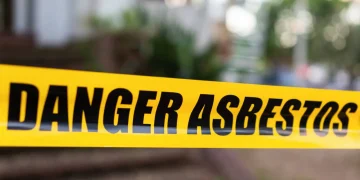
Understanding the sequence of events leading up to an accident is crucial for investigating and preventing future incidents. By breaking down the timeline of specific actions and incidents, organizations can identify contributing factors such as hazardous conditions, unsafe behaviors, and systemic weaknesses. This process not only helps pinpoint the immediate causes but also uncovers deeper issues that could lead to similar accidents in the future.
What is the Sequence of Events?
The sequence of events refers to the chronological order of actions and incidents leading up to a particular outcome, such as an accident. This structured timeline helps identify cause-and-effect relationships, guiding investigators in uncovering the factors that contributed to the incident. In accident investigations, understanding the sequence of events is essential for determining the root causes, which leads to more effective preventive measures.
How Sequence of Events Helps Leading Up to the Accident
By analyzing the sequence of events, investigators can gain valuable insights into the contributing factors of an accident. Here’s how the sequence of events helps in understanding what led up to the incident:
1. Identifying the Chain of Events
A chronological analysis allows investigators to map out each action and incident, creating a clear timeline of events. This helps to identify the triggers or precursors to the accident, such as a hazardous condition or an unsafe behavior that set the stage for the incident.
2. Uncovering Hazardous Conditions
Investigating each step in the sequence of events can reveal hazardous conditions that directly contributed to the accident. These might include environmental factors like poor lighting, or equipment malfunctions. Once identified, these conditions can be addressed to prevent future incidents.
3. Analyzing Unsafe Behaviors
The sequence of events also highlights the actions or inactions of individuals involved in the accident. Whether it’s a failure to follow safety protocols, negligence, or lack of training, identifying unsafe behaviors allows for targeted solutions to improve worker safety and reduce risks.
4. Revealing System Weaknesses
The sequence may also point to underlying system weaknesses, such as inadequate policies, poor communication, or ineffective training programs. By addressing these weaknesses, organizations can strengthen their safety management systems to prevent similar incidents.
5. Establishing Cause-and-Effect Relationships
Understanding how one event leads to another is crucial in identifying the root causes of an accident. Analyzing the sequence of events establishes the relationships between different actions and factors, helping to understand the complex interactions that resulted in the incident.
6. Guiding Preventive Measures
The insights gained from analyzing the sequence of events provide a roadmap for developing targeted preventive measures. Organizations can improve safety protocols, update training programs, and enhance hazard identification processes to prevent similar incidents from occurring in the future.
How to Conduct Event Analysis?
Conducting an event analysis involves systematically breaking down the sequence of events leading to an accident. Below are the steps for effective event analysis:
1. Gather Information
Collect all relevant data, such as incident reports, witness statements, and any visual evidence like photos or video footage. The more comprehensive the information, the better the analysis will be.
2. Identify the Sequence of Events
Arrange the information in chronological order to establish the sequence of events. This helps build a clear picture of what happened and when.
3. Define the Actors and Actions
Identify the individuals or objects involved in each event, and determine the actions they took (or failed to take). This helps pinpoint critical decision points that contributed to the incident.
4. Analyze Hazardous Conditions
Review each event to identify any unsafe conditions that contributed to the accident, such as equipment failures, unsafe environments, or inadequate safety measures.
5. Assess Unsafe Behaviors
Evaluate any unsafe behaviors exhibited by the individuals involved. This includes non-compliance with safety procedures, negligence, or human error.
6. Evaluate System Weaknesses
Look for underlying organizational or procedural weaknesses that allowed hazardous conditions or unsafe behaviors to persist. These could be gaps in training, unclear policies, or ineffective communication.
7. Establish Causal Relationships
Examine how the events, conditions, behaviors, and system weaknesses interact with each other. Identify the cause-and-effect relationships that led to the accident.
8. Document Findings
Clearly document your findings in a structured report. This should include the sequence of events, identified hazards, unsafe behaviors, and system weaknesses, along with recommendations for corrective actions.
9. Draw Conclusions and Recommendations
Based on your findings, draw conclusions about the root causes of the incident and develop actionable recommendations to address the issues and prevent similar accidents in the future.
10. Communicate and Implement Findings
Share your findings with relevant stakeholders, such as management, safety officers, and employees. Collaborate to implement the recommended changes and monitor their effectiveness over time.
Conclusion
Understanding the sequence of events leading up to an accident is crucial for identifying the causes and implementing effective preventive measures. By breaking down the timeline of incidents and actions, investigators can uncover hidden hazards, unsafe behaviors, and systemic weaknesses that contribute to accidents. This process allows organizations to make informed decisions and create a safer working environment for all.
By analyzing and learning from past incidents, we can implement targeted interventions that not only prevent future accidents but also foster a culture of continuous improvement in safety management.