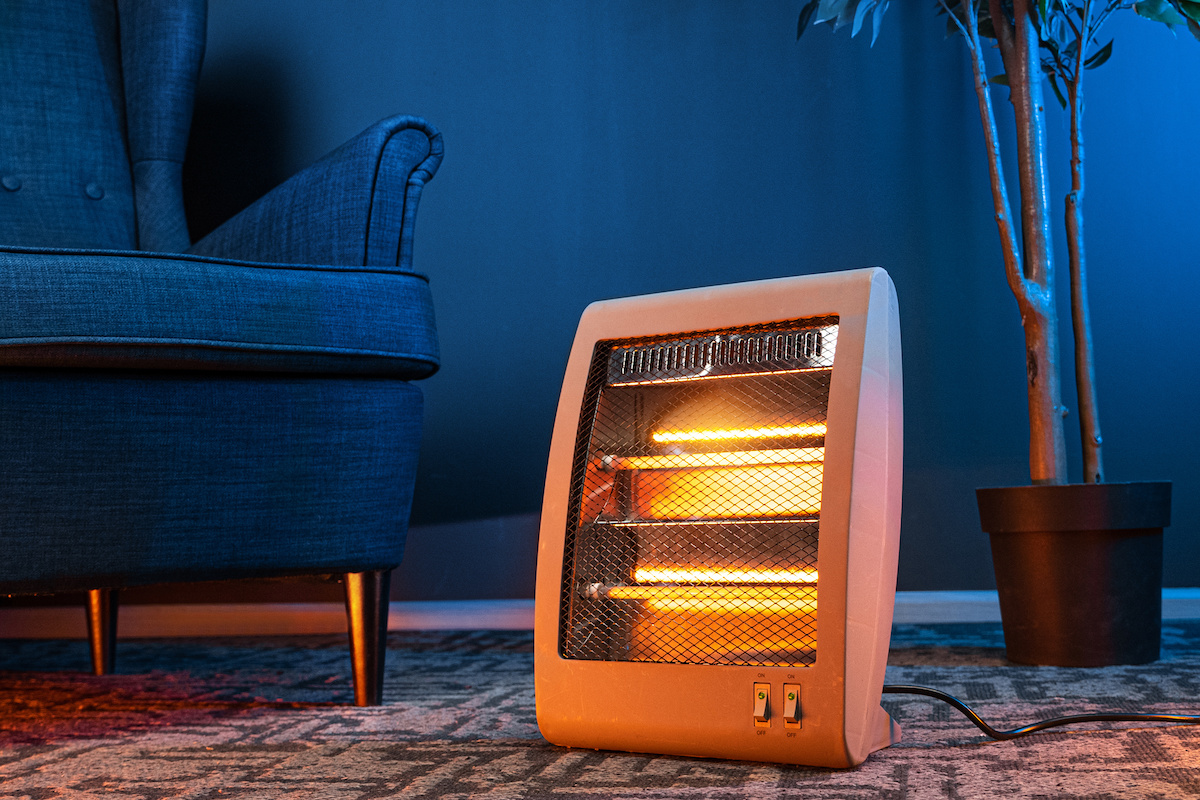
Space heaters provide an efficient way to warm small areas, especially during the colder months. However, improper use can lead to severe hazards, including fires, burns, and carbon monoxide poisoning. According to the National Fire Protection Association (NFPA), space heaters are responsible for nearly 43% of home heating fires and 85% of related deaths. To ensure you’re using your space heater safely, follow these 10 crucial safety rules.
Space Heater Safety: 10 Essential Rules
- Choose the Right Space Heater
Selecting a safe and reliable space heater is critical for both efficiency and safety. Look for heaters with certifications like UL (Underwriters Laboratories) or ETL (Intertek), which ensure they meet industry safety standards. Choose a model with an automatic shut-off feature in case it overheats or tips over. Safety Tip: For homes with children or pets, choose a heater with a cool-to-the-touch exterior. - Keep a Safe Distance: The 3-Foot Rule
Always keep the space heater at least three feet away from any flammable materials, including curtains, clothing, or paper. This distance prevents accidental overheating and potential ignition. Safety Tip: Establish a “kid and pet-free” zone around the heater to avoid accidental burns or tip-over incidents. - Place Your Space Heater on a Flat, Hard Surface
Always ensure that your space heater is placed on a stable, flat, non-flammable surface. Avoid placing it on soft surfaces like carpets or furniture, which can obstruct airflow and increase fire risks. Safety Tip: If you need to use the heater in high-traffic areas, consider wall-mounted or baseboard heaters to prevent tipping. - Plug Directly Into a Wall Outlet (No Extension Cords!)
Space heaters draw significant power, which makes extension cords and power strips unsafe. Always plug the heater directly into a wall outlet to prevent overheating and electrical fires. Safety Tip: If an extension cord is absolutely necessary, use one specifically rated for high-wattage appliances. - Never Leave a Space Heater Unattended
Never leave a space heater running when you’re not in the room, especially when you leave the house or go to sleep. Unattended heaters can malfunction and escalate into fires. Safety Tip: Use timers or smart plugs to automatically turn off the heater when it’s no longer needed. - Avoid Using Space Heaters in Wet or Damp Areas
Water and electricity are a dangerous combination. Never use a space heater in places like bathrooms or kitchens unless it is specifically designed for these areas, as moisture can cause short circuits or electrocution. Safety Tip: If a heater must be used in damp areas, ensure it has a Ground Fault Circuit Interrupter (GFCI) plug. - Regularly Inspect and Maintain Your Heater
Perform regular inspections to ensure your heater is functioning safely. Check for frayed cords, overheating components, and visible damage. Always clean dust and debris from the heater to maintain airflow and reduce fire risks. Safety Tip: Replace any damaged or malfunctioning parts promptly to prevent further hazards. - Ensure Proper Ventilation for Fuel-Burning Heaters
If using a fuel-burning space heater, ensure it’s placed in a well-ventilated area to avoid carbon monoxide buildup. Never use unvented heaters in closed spaces like bedrooms or garages. Safety Tip: Install carbon monoxide detectors in areas where fuel-burning heaters are used to monitor CO levels. - Test Your Smoke and Carbon Monoxide Alarms Monthly
Space heaters increase the risk of house fires and CO poisoning. Installing and maintaining functional smoke and carbon monoxide detectors can save lives by providing early warnings in the event of a fire or gas buildup. Safety Tip: Test alarms monthly and replace their batteries at least once a year. Consider interconnected smoke alarms to alert everyone in the house. - Unplug the Heater When Not in Use
Even when turned off, a plugged-in space heater can still pose electrical risks. Unplug the heater after each use to avoid electrical malfunctions and prevent the risk of accidental activation or overheating.
Safety Tip: Store the heater in a dry, safe location to avoid damage and reduce fire risks.
Conclusion
Space heaters are an effective way to stay warm, but they must be used with caution. By following these 10 essential space heater safety rules, you can significantly reduce the risk of fire, injury, and carbon monoxide poisoning in your home. Proper maintenance, safe usage, and regular inspections are key to keeping your family and home safe while enjoying the warmth a space heater provides. Stay safe, stay warm, and prioritize safety with every use.