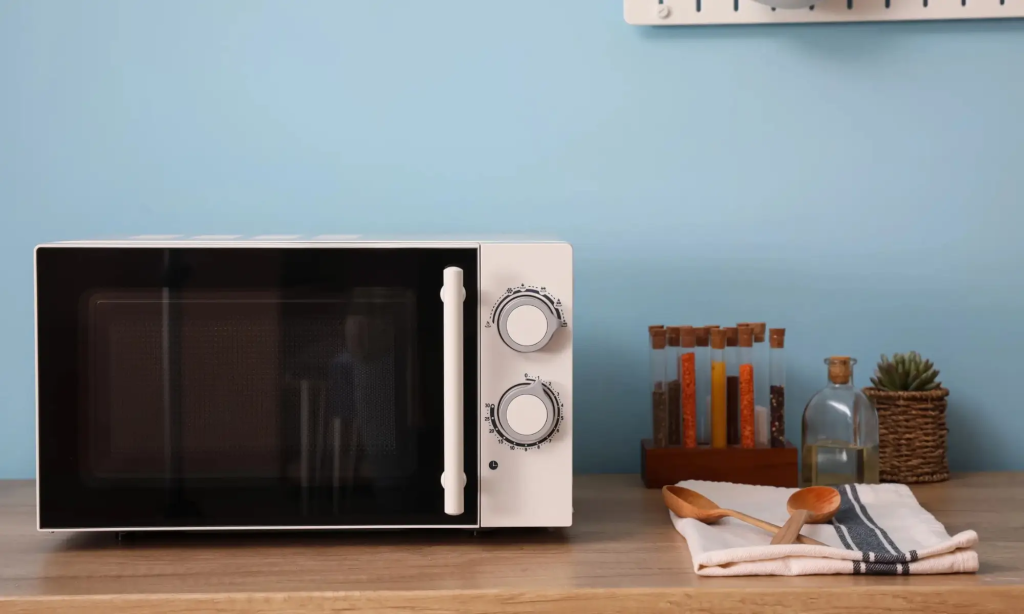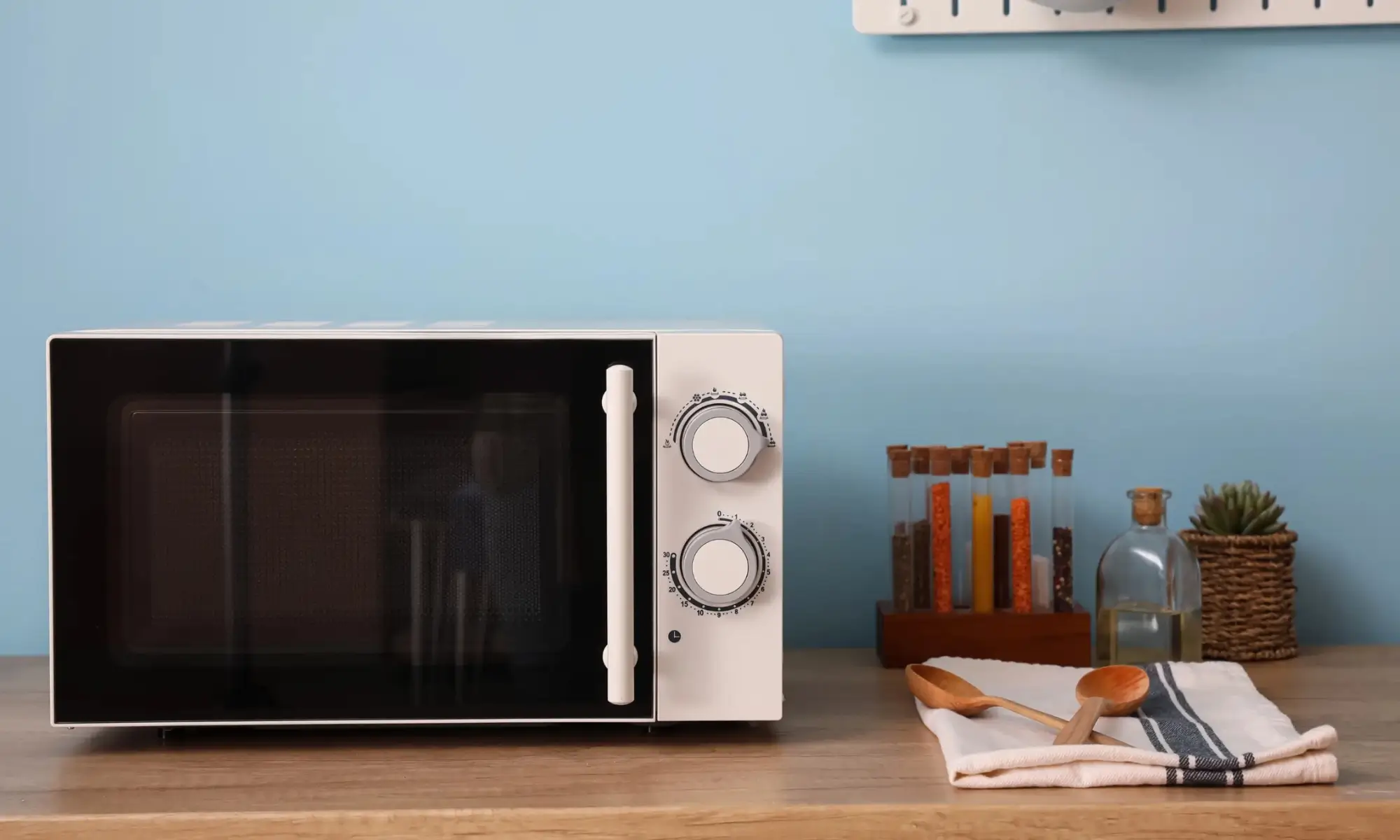
Microwave ovens are one of the most convenient and widely used kitchen appliances, offering fast and efficient cooking or reheating. However, they come with their own set of hazards. From radiation leakage to fire risks and burns, knowing how to use your microwave safely is essential to avoid accidents. This guide outlines 20 essential safety tips that will help you prevent potential hazards while maximizing the benefits of your microwave.
Microwave Oven Safety: 20 Tips to Follow
- Inspect the Door and Seals Regularly
Regularly check the microwave’s door and seals to ensure they’re in good condition. Damaged seals or warped doors can lead to microwave energy leakage, which could pose health risks. Always avoid using the microwave if the door doesn’t close properly or if the seals are damaged. Key Points:- Check for cracks or damage in the door seals before use.
- Ensure that the microwave door closes securely.
- Replace damaged seals immediately to prevent radiation leakage.
- Use Microwave-Safe Containers
Only use containers that are labeled “microwave-safe.” Avoid using metal objects, such as aluminum foil or dishes with metallic trim, as they can cause sparks or fires. Key Points:- Use glass, ceramic, or microwave-safe plastic containers.
- Avoid any metal objects or containers with metallic rims.
- Follow the manufacturer’s instructions for microwave-safe containers.
- Avoid Overheating Liquids
Be cautious when heating liquids, as they can become superheated. This means they may exceed their boiling point without visible bubbles and can erupt violently when disturbed. Key Points:- Use microwave-safe containers with sloped sides.
- Insert a non-metallic stirrer to allow steam to escape.
- Heat liquids in short intervals and let them stand before stirring.
- Keep the Microwave Clean
Regular cleaning ensures safe operation by preventing grease buildup and food residue from becoming fire hazards. Key Points:- Wipe down the interior with mild detergent after each use.
- Clean the door seals and the cavity regularly.
- Avoid using abrasive cleaners that can damage surfaces and seals.
- Do Not Operate the Microwave Empty
Running the microwave with nothing inside can cause the magnetron to overheat and potentially damage the appliance. Key Points:- Always place food or liquid inside the microwave before using it.
- Running the microwave empty can damage internal components and lead to overheating.
- Avoid Using Metal Objects
Metal objects reflect microwaves and can cause sparks, arcing, and fires. Always remove metal items before using the microwave. Key Points:- Do not use metal utensils, containers, or foil.
- Avoid dishes with metallic trim or edges.
- Always check for metal twist ties or clips.
- Follow Manufacturer’s Instructions
Reading the user manual is essential for proper operation and maintenance of your microwave. Every model has specific guidelines for safe use. Key Points:- Follow recommended power levels and cooking times.
- Understand the safety features, such as auto shut-off or sensor cooking.
- Regularly consult the manual for maintenance tips.
- Use Proper Ventilation
Ensure proper ventilation to avoid overheating. Don’t block air vents or place the microwave in tight spaces that prevent airflow. Key Points:- Keep vents clear of obstructions and ensure there’s adequate airflow around the microwave.
- Avoid placing the microwave inside cabinets or against walls.
- Regularly clean the air vents to prevent dust buildup.
- Install and Maintain Smoke and CO Detectors
Install working smoke and carbon monoxide detectors in the kitchen or nearby rooms. Test them regularly and replace the batteries as needed. Key Points:- Install smoke detectors in or near the kitchen.
- Test smoke and CO alarms monthly.
- Maintain a kitchen fire extinguisher and teach household members how to use it.
- Never Tamper with Safety Features
Don’t disable safety mechanisms like door interlocks or thermal switches. These features are designed to prevent exposure to harmful radiation and overheating.
Key Points:
- Avoid tampering with internal components or safety features.
- If the microwave malfunctions, seek professional repairs.
- Use Appropriate Power Levels
Using the correct power setting ensures even cooking and reduces the risk of overheating or burning food.
Key Points:
- Adjust the power level according to the food you are cooking.
- Use lower power settings for delicate tasks like defrosting or reheating.
- Follow the manual for recommended power levels for different foods.
- Do Not Heat Sealed Containers or Eggs in Shell
Heating sealed containers or whole eggs can cause pressure to build up inside and result in explosions.
Key Points:
- Always open containers before microwaving.
- Pierce eggs before microwaving to allow steam to escape.
- Monitor Cooking Times Closely
Set a timer and stay nearby while the microwave is in use to prevent overcooking and burning.
Key Points:
- Keep an eye on the microwave while cooking.
- Adjust cooking times based on the wattage and quantity of food.
- Never leave the microwave running without supervision.
- Avoid Standing Directly Against the Microwave While It’s Operating
Although modern microwaves are designed to keep radiation contained, it’s still a good idea to maintain a safe distance while the microwave is running.
Key Points:
- Stay at least a few feet away from the microwave while it’s on.
- Stand at an angle to the microwave to avoid direct exposure to the door.
- Unplug Microwave When Not in Use
Unplugging the microwave when not in use prevents electrical malfunctions, power surges, or accidental activation.
Key Points:
- Always unplug the microwave when not in use, especially during long periods.
- Use a power strip with an on/off switch for convenience.
- Do Not Place Non-Food Items Inside
Avoid placing non-food items like plastic toys, electronic devices, or household objects inside the microwave, as they can cause sparks, melting, or damage.
Key Points:
- Use the microwave exclusively for food and microwave-safe containers.
- Check the cavity for any objects before using the microwave.
- Use Microwave Covers to Prevent Splatters
Using a microwave-safe cover helps prevent splatters and ensures that the food heats more evenly.
Key Points:
- Use microwave-safe lids or wraps to cover food.
- Choose vented covers to allow steam to escape safely.
- Regularly clean covers to prevent food residue buildup.
- Avoid Using Damaged or Missing Parts
Inspect the microwave regularly for damaged or missing parts like seals, hinges, or safety interlocks. Using a damaged microwave increases the risk of radiation leakage or electrical malfunctions.
Key Points:
- Replace damaged parts immediately.
- Regularly check for wear or faults in the microwave’s components.
- Position the Microwave Away from Water Sources
Keep the microwave away from sinks or dishwashers to avoid exposure to moisture, which could lead to electrical hazards.
Key Points:
- Install the microwave in a dry area away from water.
- Clean up any spills near the microwave immediately to prevent water damage.
- Educate All Household Members on Microwave Safety
Teaching everyone in the household, especially children, about the proper use of the microwave is essential for preventing accidents.
Key Points:
- Instruct children about the dangers of tampering with the microwave.
- Demonstrate safe practices for using microwave-safe containers and covers.
- Discuss emergency procedures for microwave-related issues.
Conclusion
Microwave ovens offer incredible convenience, but they can pose safety risks if not used properly. By following these 20 safety tips, you can significantly reduce the risk of accidents such as fires, electrical shocks, or foodborne illnesses. Regular maintenance, safe food handling, and proper usage of microwave-safe containers are key components of a safe microwave environment. Prioritize safety, stay informed, and enjoy the convenience of microwave cooking with peace of mind.