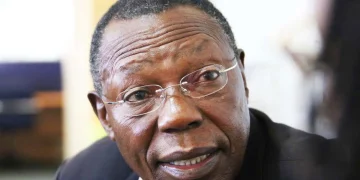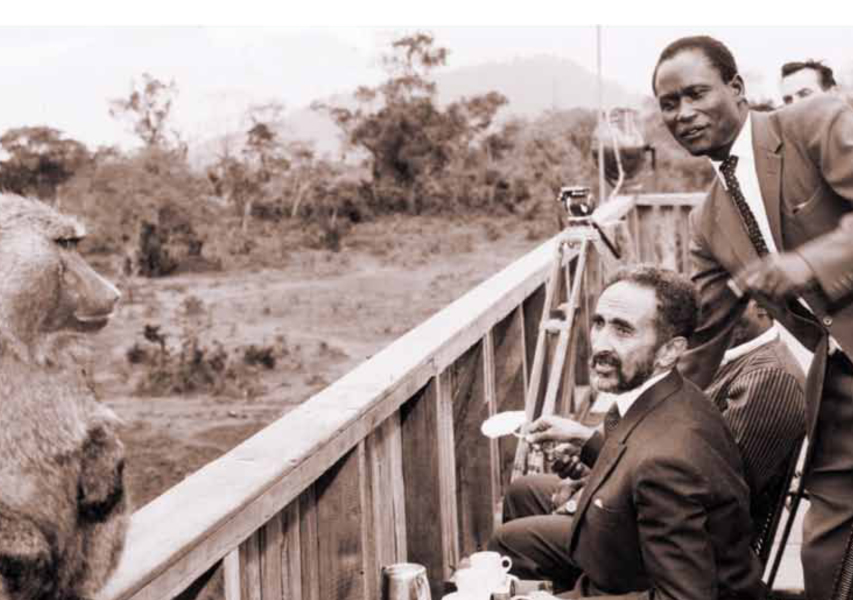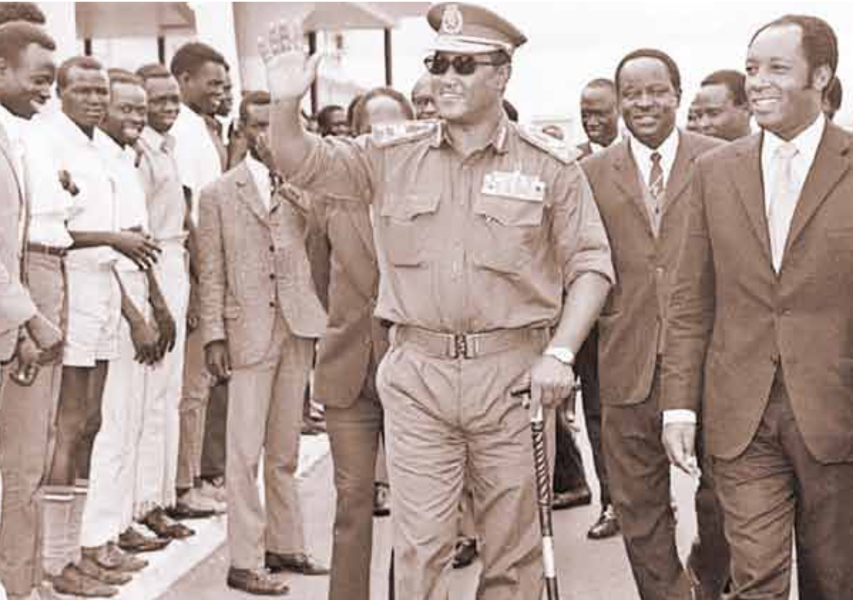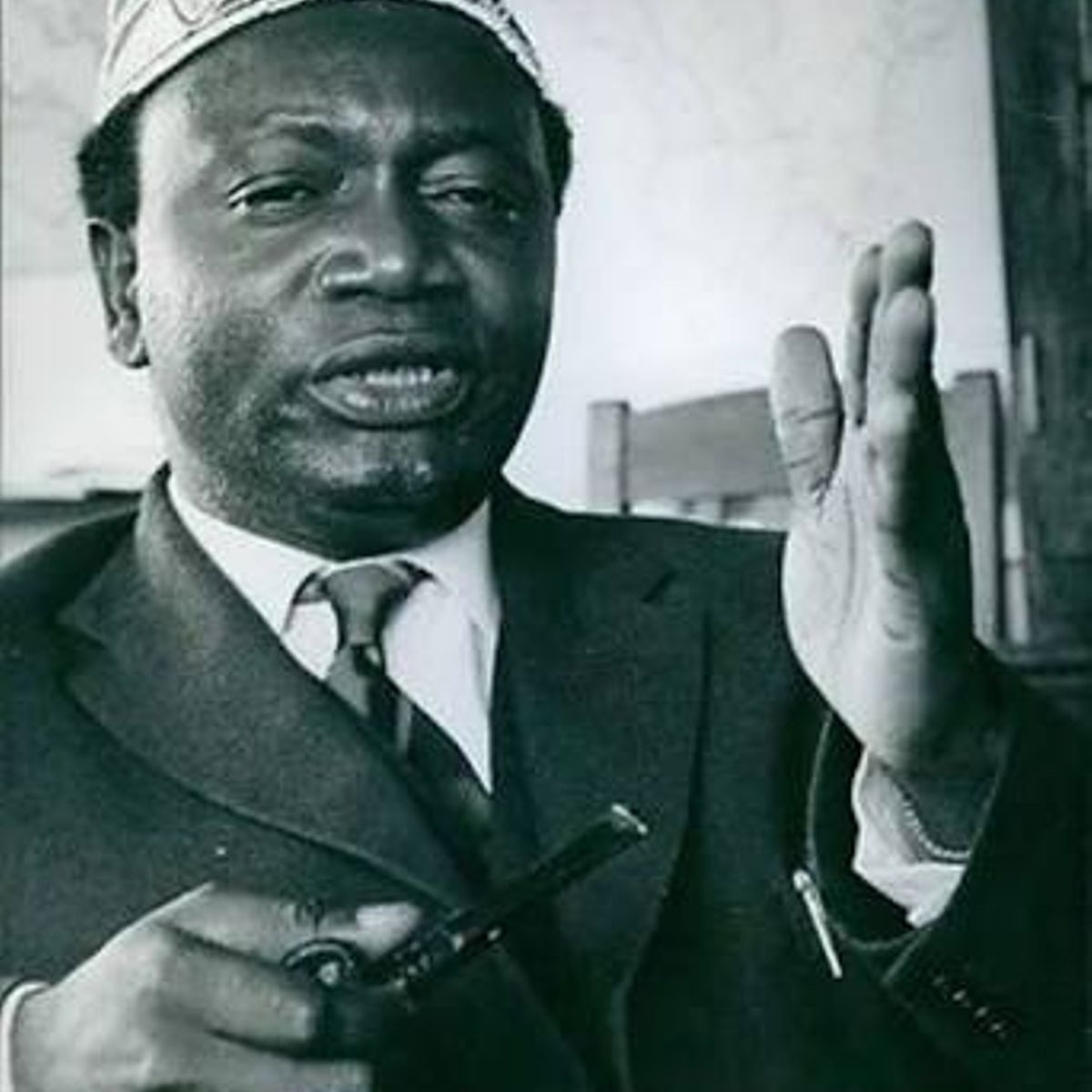
Ronald Gideon Ngala, who was born in Kilifi in 1922, attended Alliance High School after attending St. John’s School, Kaloleni, and Shimo la Tewa. After that, he enrolled at Makerere College to earn an education diploma. In 1949 and 1954, he worked as a teacher at Taveta’s Mbale Secondary School and St. John’s. Between 1955 and 1956, he relocated to Taita and Buxton (Mombasa), where he served as the principal. After that, he received a promotion and worked as the school superintendent from 1957 to 1958.
But soon, as the call for independence gained steam, he began to become more interested in politics, which is where his true passion lay. The Mombasa African Advisory Council (MAAC), of which he was an elected representative on the Mombasa Municipal Board, served as a sort of springboard for him. However, he had close ties to the Coast African Association (CAA), a more politicized organization than MAAC. After then, Ngala could not be stopped. He had already decided to give up teaching in favor of politics when he was elected to the Legislative Council in 1957 as a representative for the Coast area.
According to the Encyclopedia of World Biography, Ngala’s career was distinguished by both his commitment to Kenya and his practical approach to politics. Thus, he prioritized national stability over his own political goals. This may help to explain why Ngala’s ascent to the position of secretary-general of the multiracial Kenya National Party (KNP) in 1959 was facilitated.
It was expected that Ngala will be elected to the Legco. After all, Ngala has a strong base of support developed over a long period of time. For example, during his 1957 Legco campaign, he focused on the regional difficulties at the Coast while his rivals focused on national matters. By 3,400 votes to Dawson Mwanyumba’s 2,539, Ngala won the seat. 267 was Francis Khamisi’s score.
There was a sizable Ngala fan base in this Mijikenda region. However, he had to deal with Mwanyumba and Mwashumbe in Taita-Taveta. Mombasa was the hub of support for Khamisi. Khamisi became a member of the House after Mombasa was granted an extra Legco seat in 1958 as a result of Ngala’s activism.
Ngala’s long-standing affiliation with the Church Missionary Society’s (CMS) Education Department, which had introduced him to the Coast’s educated elite, was a major factor in his acceptance into Legco. After district-based political organizations were permitted by the colonial government in 1955, Khamisi founded and served as president of the Mombasa Democratic Union (Madu). Ngala quickly became a member of the organization.
Subsequently, in 1956 and 1958, respectively, he lent his support to other political organizations, such as the Kwale African Democratic Union (Kwadu) and the Kilifi African People’s Union (Kapu). These Madu satellites were based on Mombasa’s periphery. Pundits thought they were funded by Ngala. He left Madu in 1957 after winning a Legco seat in order to focus on Mijikenda Union and Kapu.