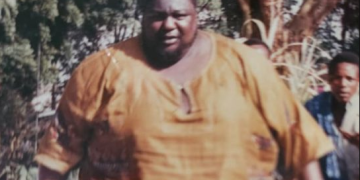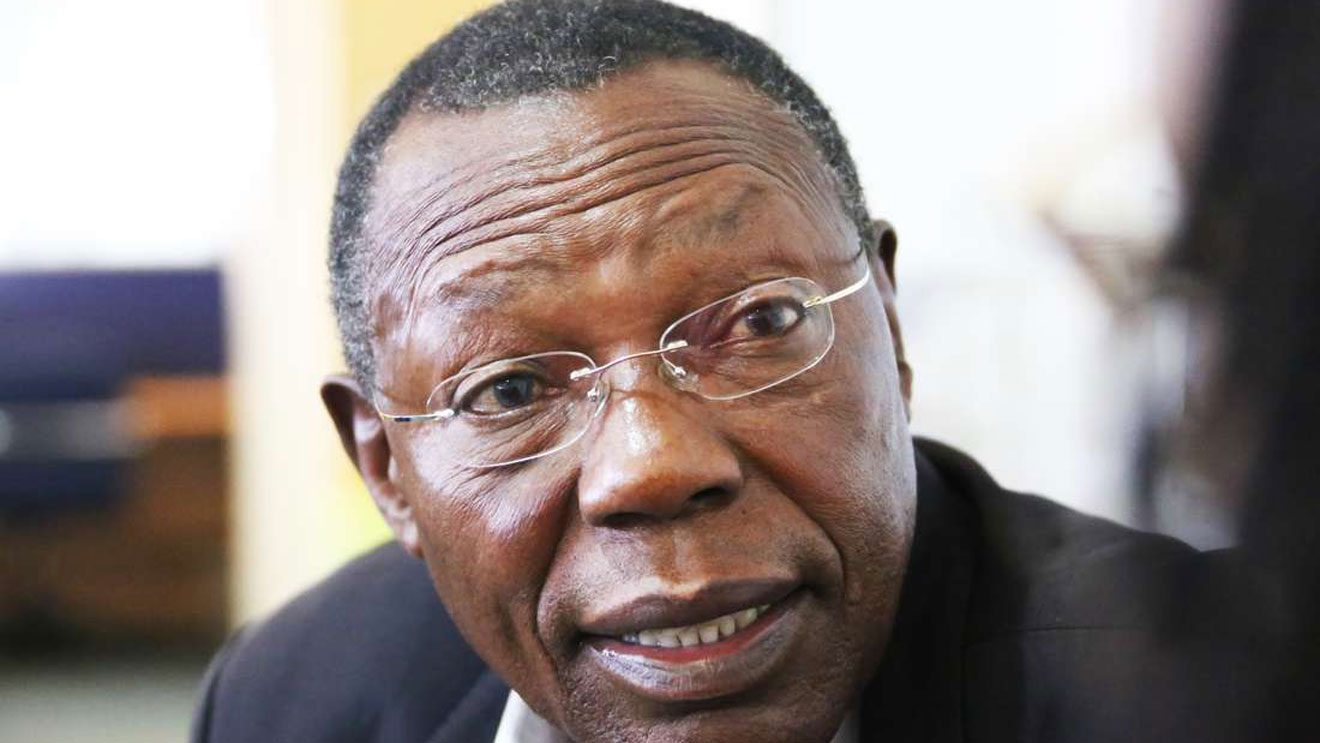
Abuya Abuya belongs to a generation of Kenyan politicians whose names are not always mentioned loudly enough, yet whose courage helped open the road to the country’s multiparty democracy.
He served in Parliament during one of Kenya’s most politically restrictive periods, when the Kenya African National Union, KANU, dominated national politics and President Daniel arap Moi’s government kept a close watch on dissent. In that environment, criticism of the state was not a casual act. It could cost a politician his seat, freedom, livelihood, or personal safety.
Abuya, the former Kitutu East MP, is remembered as one of the outspoken figures associated with the group famously labelled the “Seven Bearded Sisters.” The phrase was coined by then Attorney-General Charles Njonjo to describe a cluster of youthful, left-leaning and defiant MPs who challenged the government from inside Parliament. Reports identify Abuya among the MPs who gave the Moi administration “sleepless nights” through their criticism of state policy and their resistance to authoritarian politics.
The group’s politics were not organized as a formal party. They were joined more by courage, conviction and parliamentary defiance than by structure. Their public interventions came before Kenya’s multiparty reforms, at a time when KANU’s control over public life made open dissent risky.
Abuya Abuya’s story is therefore bigger than one constituency, one parliamentary term or one political label. It is part of Kenya’s Second Liberation — the long struggle to restore political pluralism, protect civic freedoms and challenge the excesses of one-party rule.
Abuya Abuya and the Politics of Defiance
Abuya Abuya entered Parliament in 1979, representing the Kitutu East area, which is also widely associated with the later Kitutu Masaba constituency. Nation has described him as a former Kitutu East MP who served from 1979 to 1988, while other accounts link him to Kitutu Masaba because of later constituency naming and local political history.
His election placed him in a politically charged region. Kitutu had already produced George Anyona, another fearless critic of the state. Anyona’s detention and exclusion from politics formed part of the wider story of state pressure against dissenting voices in the 1970s and 1980s.
Abuya did not enter Parliament as a quiet backbencher. He became part of a small but visible group of MPs who questioned government actions, challenged executive excesses and opposed the political culture of fear that surrounded KANU rule.
This was a period when Kenya was moving deeper into one-party dominance. In 1982, Kenya became a de jure one-party state after constitutional changes entrenched KANU as the only legal political party. Refworld records that Kenya restored multiparty politics in December 1991 after the repeal of Article 2A, which had made KANU the only authorized political party.
That means Abuya’s parliamentary years unfolded in an environment where opposition politics had very little legal space. To criticize the government from within Parliament was to operate in a dangerous grey zone: technically part of the system, but politically treated as a threat to it.
The “Seven Bearded Sisters” and Njonjo’s Label
The phrase “Seven Bearded Sisters” remains one of the most memorable political labels in Kenya’s post-independence history.
Charles Njonjo used it to describe a group of MPs he viewed as radical, left-leaning and troublesome to the state. The phrase drew from Anthony Sampson’s 1975 book, The Seven Sisters: The Great Oil Companies and the World They Shaped, while the word “bearded” was used to evoke Marxist imagery. The label was meant to mock and politically isolate them, but over time it became a badge of defiance.
Reports differ slightly on the exact membership of the group, but Abuya Abuya is consistently named among the figures associated with it. Hivisasa lists Abuya alongside James Orengo, Koigi wa Wamwere, Chibule wa Tsuma, Lawrence Sifuna, Mwashengu wa Mwachofi and Onyango Midika as young MPs who criticized Moi’s government.
The Standard, in a 2022 article recalling Njonjo’s political legacy, also identified Abuya Abuya among the figures associated with the “Seven Bearded Sisters” label.
The label was intended as an accusation. Instead, history has treated it differently. It now represents one of the earliest visible parliamentary rebellions against the concentration of power in post-independence Kenya.
These MPs did not have the numbers to defeat government policy. They did not command the state machinery. They did not control the political narrative. But they had something more rare in that period: the willingness to speak when silence was safer.
The Risk of Challenging KANU From Within
To understand Abuya Abuya’s political significance, it is necessary to understand the risk of the time.
Kenya’s one-party era was not only about election rules. It was also about surveillance, intimidation, detention, exile, censorship and the narrowing of public debate. Politicians who challenged the state could be followed, threatened or removed from the political field.
Hivisasa reported that police were instructed to monitor the activities of the “Seven Bearded Sisters” both inside and outside Parliament, describing them as a threat to the state.
Abuya himself later recalled one dramatic episode in which he hid in his Tombe village to escape police officers who were trailing him with instructions for his arrest. According to the same report, he said he had to abandon his car and flee on foot.
That story captures the atmosphere of the period. Political disagreement was not treated as a normal democratic act. It was often treated as disloyalty or subversion.
For Abuya and his colleagues, Parliament was both a platform and a trap. It gave them a microphone, but it also made them visible to the state. Their speeches could inspire citizens, but they could also trigger surveillance.
This is why their defiance mattered. They helped show that KANU could be challenged, even when the official political system tried to make challenge impossible.
A Parliamentarian in the Shadow of George Anyona
Abuya’s political rise cannot be separated from the Kitutu tradition of dissent.
George Anyona, who had represented Kitutu East before Abuya’s era, was one of Kenya’s most prominent early critics of concentrated executive power. Anyona’s detention and struggles with the state created a political memory in the constituency that shaped how later leaders were viewed.
Abuya stepped into that difficult space. He inherited not only a constituency, but also a reputation for resistance. His politics were sharpened by the fact that the people of Kitutu East had already seen what could happen when an MP refused to bend.
This made Abuya’s role important. He helped keep alive a local and national tradition of parliamentary resistance. In a period when many politicians aligned themselves with the ruling order for survival, he stood among those who chose confrontation.
His politics were not always rewarded materially. Like many figures of the Second Liberation, he later faced personal hardship and limited public recognition.
Personal Cost and the Pension Struggle
One of the most painful parts of Abuya Abuya’s later story is the contrast between his public service and his private struggle.
In later years, he complained that he had not received a pension despite serving in Parliament between 1979 and 1988. Hivisasa reported that he said he was surviving from earnings from a small tea plantation, while Nation also described him as a former Kitutu East MP who survived on earnings from a half-acre tea plantation.
That detail is important because it reminds Kenyans that the struggle for democracy was not only fought in speeches and rallies. It was also paid for in quiet hardship.
Some of those who challenged the state did not become wealthy political beneficiaries. Some were detained, exiled, defeated, excluded or forgotten. Others aged with little comfort despite having taken risks that helped expand democratic space.
Abuya’s pension complaint therefore speaks to a broader national question: how does Kenya remember those who fought for political freedoms before those freedoms were safe to demand?
A democracy that forgets its early dissenters weakens its own memory.
The 2017 Senate Bid
Abuya Abuya did not completely disappear from public life after his parliamentary years.
He later attempted a political comeback and unsuccessfully contested the Nyamira senatorial seat in the 2017 elections. Hivisasa reported that the seat was eventually won by senior lawyer Okong’o Mogeni.
That attempt showed that Abuya still saw himself as part of Kenya’s political conversation. Even after the era of one-party rule had ended, he remained connected to public life and to the region he had represented decades earlier.
But by then, Kenya’s politics had changed. The country had moved into multiparty competition, coalition politics, devolved government and a new constitutional order. The environment Abuya had helped fight for was now the normal political framework.
That is one of the ironies of history. Those who struggle to open political space are not always the ones who benefit most from it once it opens.
Abuya Abuya’s Role in the Second Liberation
Kenya’s Second Liberation is often told through the names of better-known figures: Jaramogi Oginga Odinga, Kenneth Matiba, Charles Rubia, Raila Odinga, George Anyona, Koigi wa Wamwere, James Orengo, Martin Shikuku, Masinde Muliro, Wangari Maathai and others.
Abuya Abuya belongs in that wider story.
His role was not defined by commanding a mass national party or leading a presidential campaign. It was defined by parliamentary courage during a period when Parliament itself had been weakened by executive dominance.
The “Seven Bearded Sisters” helped lay early groundwork for the later multiparty push. Their speeches, motions and resistance kept alive the idea that the government could be questioned. They made dissent visible before it became mainstream.
When Section 2A was eventually repealed in 1991, restoring multiparty politics, it was not the product of one moment or one group alone. It was the outcome of years of pressure from politicians, lawyers, students, clergy, civil society, exiles, detainees, journalists and ordinary citizens. Refworld records that Moi allowed the restoration of multiparty government in December 1991 after repealing Article 2A.
Abuya’s contribution was part of the earlier parliamentary resistance that helped make that later breakthrough possible.
Leadership Style and Political Philosophy
Abuya Abuya’s politics were marked by defiance.
He belonged to a group often described as left-leaning and critical of the government’s close ties with Western powers. Hivisasa identifies the MPs in that circle as youthful critics of Moi’s government, while other historical accounts describe them as radical backbenchers who challenged the official line.
His leadership style was not polished technocracy. It was resistance politics. He operated in an environment where speaking out was itself a form of leadership.
The image of Abuya hiding in Tombe village to avoid arrest is not just a dramatic anecdote. It reveals the kind of politics he practiced: politics that could move from Parliament to the village footpath in a single day.
He was not powerful in the way cabinet ministers were powerful. He did not command the police, the provincial administration or the ruling party machinery. His power came from refusal — refusal to be silent, refusal to be absorbed, refusal to accept that one-party dominance was permanent.
That is why his memory still matters.
Why Abuya Abuya’s Story Still Matters Today
Abuya Abuya’s story matters because democracy is easy to take for granted after it becomes familiar.
Today, Kenya has many political parties, competitive elections, a new constitution, devolved government, stronger courts, a more open press and a louder public sphere. These freedoms are imperfect, but they are real.
They were not gifted. They were fought for.
Abuya and the “Seven Bearded Sisters” remind Kenyans that Parliament was once one of the few places where dissent could be forced into the national record. They also remind us that democracy requires people willing to be unpopular with power.
Their struggle is relevant today because the habits of authoritarian politics never fully disappear. Executive overreach, police intimidation, misuse of state resources, surveillance of critics and attempts to silence dissent remain dangers in many democracies.
The lesson from Abuya’s generation is that freedom survives only when citizens and leaders defend it before it is convenient.
Legacy of the “Seven Bearded Sisters”
The “Seven Bearded Sisters” were mocked by power, but remembered by history.
They did not overthrow the system overnight. They did not end one-party rule by themselves. But they helped crack the myth that KANU was untouchable.
Their courage made later resistance easier. Their defiance gave language to a generation that wanted political space. Their sacrifices exposed the cost of authoritarianism.
Abuya Abuya’s place in that story is secure. He was one of the men who stood in Parliament when speaking out could invite state retaliation. He represented a constituency with a history of dissent and carried that tradition into the Moi era.
His later struggles with pension and livelihood add a human dimension to his legacy. They show that the heroes of democratic reform were not always rewarded by the democracy they helped create.
Frequently Asked Questions
Who was Abuya Abuya?
Abuya Abuya was a Kenyan politician and former Kitutu East MP who served between 1979 and 1988. He is remembered as one of the figures associated with the “Seven Bearded Sisters,” a group of MPs who challenged the KANU government during the Moi era.
What were the “Seven Bearded Sisters”?
The “Seven Bearded Sisters” was a label used by Charles Njonjo to describe a group of outspoken MPs who criticized the Moi government. The group included figures such as Abuya Abuya, James Orengo, Koigi wa Wamwere, Lawrence Sifuna, Chibule wa Tsuma, Mwashengu wa Mwachofi and others, though historical accounts sometimes vary on the full list.
Why was Abuya Abuya important?
Abuya was important because he was among the MPs who openly challenged KANU rule from inside Parliament during a period when dissent was dangerous. His politics contributed to the wider struggle for multiparty democracy in Kenya.
What risks did Abuya Abuya face?
Reports say police monitored the activities of the “Seven Bearded Sisters,” and Abuya once recalled hiding in his Tombe village to evade officers who were trailing him for arrest.
What was Section 2A?
Section 2A was the constitutional provision that made Kenya a one-party state under KANU. It was repealed in December 1991, restoring multiparty politics.
Did Abuya Abuya receive a pension?
Abuya later complained that he had not received a pension despite serving in Parliament from 1979 to 1988. Reports said he survived partly on earnings from a small tea plantation.
Did Abuya Abuya run for office after Parliament?
Yes. He unsuccessfully contested the Nyamira senatorial seat in 2017, according to Hivisasa.
Conclusion
Abuya Abuya’s name belongs in Kenya’s democratic memory.
He was not merely a former MP from Kitutu East. He was part of a small circle of politicians who challenged power when doing so could invite surveillance, arrest, isolation and poverty. As one of the figures associated with the “Seven Bearded Sisters,” he helped keep alive the spirit of parliamentary dissent during the Moi era.
His story is also a reminder that history is not only made by presidents, ministers and party bosses. It is made by those who refuse to be silent when silence is safer.
Abuya Abuya’s legacy is the legacy of principled opposition. He stood in a difficult Parliament, in a difficult period, under a difficult regime, and helped create the political space that later generations would inherit.
Kenya’s multiparty democracy did not begin in 1991. It was built slowly by people who dared to imagine it earlier.
Abuya Abuya was one of them.
Read Also: Could Ronaldo’s 2030 Dream Delay Messi’s Retirement?