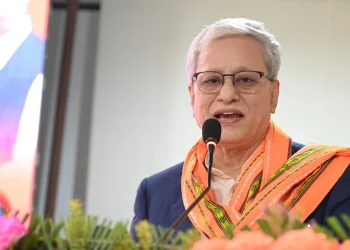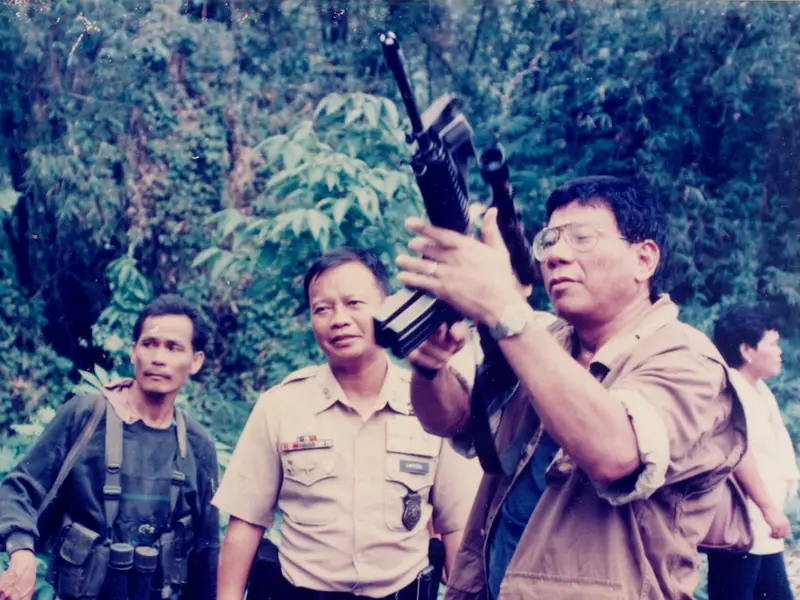
Despite being detained at the International Criminal Court (ICC) in The Hague, former Philippine President Rodrigo Duterte has once again proven the resilience and reach of his political dynasty, having been elected Mayor in absentia in his native Davao City—the family’s stronghold in southern Philippines.
This stunning development highlights not just Duterte’s enduring influence, but also how his children and grandchildren have consolidated power across multiple levels of government.
A Dynasty in Motion: The Dutertes’ Political Stronghold
The Duterte political machine is now fully embedded in local and national politics:
- Rodrigo Duterte – Elected Mayor of Davao City in absentia despite ICC detention.
- Sebastian “Baste” Duterte – Youngest son, elected as Deputy Mayor of Davao.
- Paolo Duterte – Eldest son, re-elected to the Philippine Senate.
- Three Duterte grandchildren – Elected as councillors in local districts.
- Sara Duterte-Carpio – Daughter, Vice President of the Philippines, but now locked in a feud with President Ferdinand “Bongbong” Marcos Jr. over her father’s ICC handover.
Their power remains particularly entrenched in Mindanao, where Davao City acts as the family’s political base of operations.
The Hague Detention: Duterte Faces Accountability
Rodrigo Duterte is being held by the ICC for alleged crimes against humanity stemming from his controversial war on drugs, which reportedly led to thousands of extrajudicial killings during his presidency (2016–2022).
The move to hand him over to the ICC has caused deep divisions within the ruling elite, especially with his daughter Sara Duterte-Carpio, who has condemned the decision and is openly feuding with President Marcos Jr., her former ally.
“Let those who betrayed my father be ready for political reckoning,” Sara was quoted saying in a recent speech in Davao.
Dynasty vs. Democracy: What It Means for the Philippines
The Duterte family’s continued hold on power, even as Rodrigo Duterte faces international prosecution, reflects a broader trend of political dynasties in the Philippines.
Critics argue this undermines democratic accountability, especially in southern provinces where political loyalty often trumps legal scrutiny.
Yet, supporters see the Duterte name as synonymous with law and order, especially in regions historically plagued by crime and corruption.
Conclusion: ICC in The Hague, Power in Davao
While the international community debates Duterte’s accountability, back home in the Philippines, his family is winning elections and holding office. The seeming contradiction underlines how deeply entrenched political clans continue to operate above the law and across generations in the Philippines.
The Duterte saga is far from over—and as Rodrigo Duterte holds office from behind bars, his family tightens their grip on the nation’s political machinery.