President William Ruto has issued a strong warning against the use of churches as arenas for political confrontation or violence, following a disturbing incident that disrupted a worship service in Nyeri County. The president called on both citizens and security agencies to uphold the sanctity of places of worship and ensure they remain spaces of peace, reflection, and spiritual growth.
The warning comes in the aftermath of chaos at ACK Witima Church, where worshippers were thrown into panic after tear gas canisters were detonated inside the sanctuary. The incident occurred on Sunday, January 25, 2026, during a church service attended by several political leaders, including former Deputy President Rigathi Gachagua.
According to accounts from the scene, the sudden release of tear gas forced congregants to flee as smoke filled the church. The disruption shocked many Kenyans and reignited debate over the growing intersection of politics, security operations, and religious spaces.
President Ruto Condemns Church Political Violence
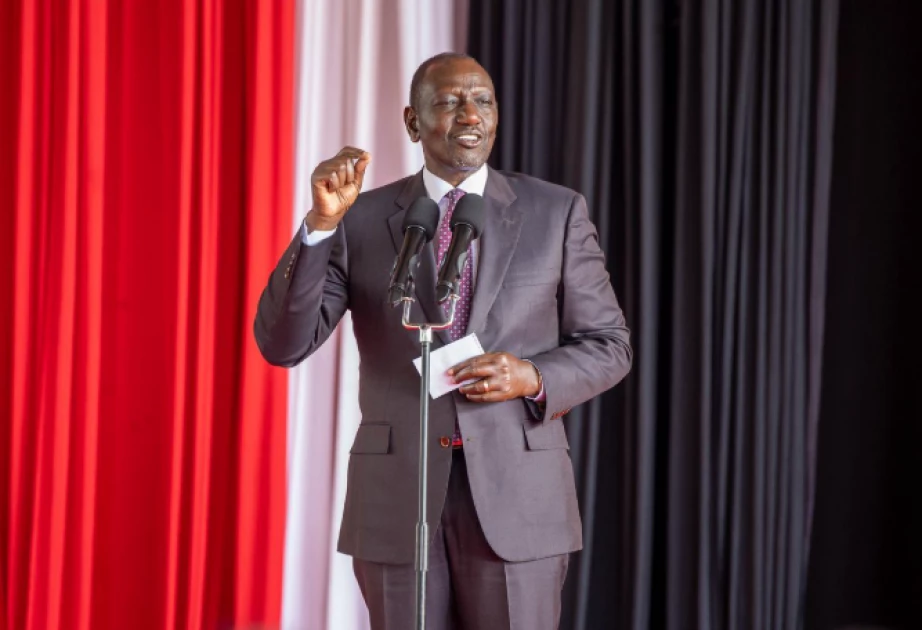
Speaking during a church service on Sunday, President Ruto emphasized that while political engagement is a constitutional right, it must never infringe on the sanctity of worship. He stressed that churches should remain neutral, peaceful environments where Kenyans can gather without fear.
“We can practise politics, we can look for leadership, but when it comes to church, that should be a place of respect,” Ruto said. He added that hatred, chaos, and political rivalry have no place in houses of worship.
The president’s remarks underscored a broader concern about church political violence and its potential to erode social cohesion. According to Ruto, allowing confrontations in sacred spaces undermines not only freedom of worship but also national unity.
Call to Security Agencies
President Ruto also directed his message to security agencies, urging them to exercise restraint and professionalism when dealing with politically sensitive situations, especially those involving religious institutions. He warned that heavy-handed or poorly coordinated responses could inflame tensions rather than restore order.
“All of us, irrespective of who we are and what we believe in, must respect the place of God in our churches,” the president said. He called on law enforcement to protect worshippers and ensure churches are shielded from unnecessary and retrogressive political confrontation.
His comments suggest a recognition that the state has a responsibility not only to maintain security but also to preserve public trust, particularly in moments involving faith and community gathering.
Gachagua Alleges Police Involvement
Former Deputy President Rigathi Gachagua has been highly critical of the incident, accusing the police and, by extension, the government of orchestrating the disruption. In a public statement, Gachagua claimed that he and others were forced to flee through bushes to escape tear gas and gunfire.
“We were marooned in church, being attacked with live bullets and tear gas, and they torched my vehicles,” he wrote. His remarks intensified public scrutiny of the security response and raised questions about accountability.
Gachagua demanded that officers implicated in the incident be arrested and prosecuted. He further warned that failure to deliver justice would trigger nationwide demonstrations, escalating the political temperature around the incident.
Rising Concern Over Politicisation of Churches
The Nyeri incident has added to growing concern over the politicisation of churches in Kenya. Religious institutions have traditionally played a central role in community life, offering moral guidance and serving as spaces for reconciliation during times of tension.
However, recent confrontations involving politicians during church services have raised alarms among faith leaders and civil society groups. Many fear that continued church political violence could deter worshippers and erode the moral authority of religious institutions.
President Ruto’s warning appears aimed at drawing a clear boundary between political contestation and spiritual life. By reaffirming the need for respect and calm, the president sought to reassure Kenyans that places of worship should remain protected spaces.
Balancing Politics, Security, and Worship
The incident has highlighted the delicate balance between politics, security operations, and religious freedom. While politicians often attend church services as part of community engagement, critics argue that heightened political tensions increase the risk of confrontation in such settings.
Ruto’s remarks suggest that responsibility lies with both leaders and security agencies. Political actors, he implied, must avoid turning churches into platforms for rivalry, while law enforcement must act in ways that preserve dignity and safety.
As investigations into the Nyeri incident continue, the president’s call for restraint and respect sets a tone for how similar situations should be handled in the future.
National Unity and Freedom of Worship
At the heart of President Ruto’s message was a broader appeal to national unity. He warned that allowing violence or intimidation in churches threatens the social fabric and undermines constitutional freedoms.
“We want our churches to be a place of peace and seeking God,” he said. The statement resonated with many Kenyans who view religious spaces as sanctuaries from political conflict.
As debate over the Nyeri church disruption unfolds, the president’s warning against church political violence serves as a reminder that safeguarding freedom of worship is essential to maintaining stability and trust in public life.