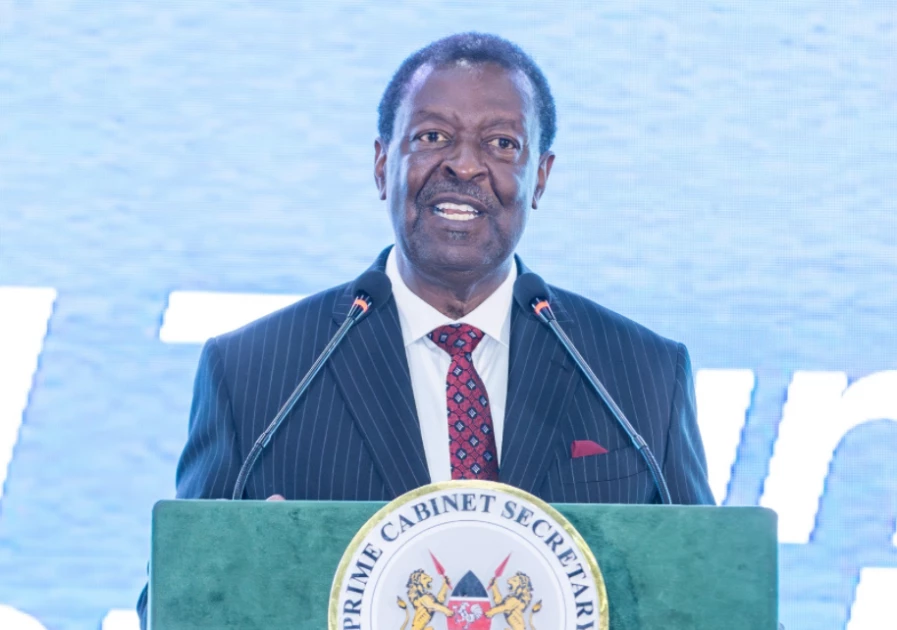
Foreign Affairs Cabinet Secretary Musalia Mudavadi has ruled out Mudavadi compensation for Kenyans killed or injured in the Russia-Ukraine war, stating in Moscow on March 17 that the government bears no liability because the engagements were voluntary. He said Kenya would instead support citizens seeking repatriation.
The announcement comes amid mounting pressure from families of affected Kenyans, including at least 10 reported deaths and many injuries, who have urged the government to take responsibility for their relatives’ safety.
Mudavadi compensation stance explained
Mudavadi said the Kenyan government cannot provide compensation because the individuals entered into contracts independently with the Russian military. He emphasized that the arrangements did not involve the Kenyan state.
“This was not a government of Kenya contract and it cannot therefore be part of the compensation,” Mudavadi said, adding that the engagements were voluntary agreements with the Russian government.
However, he reiterated that Kenya remains willing to facilitate the return of citizens who wish to come back home. He also urged Kenyans to exercise caution and avoid being lured into such opportunities abroad.
Mudavadi compensation debate and repatriation plans
Mudavadi said the timing of repatriation efforts would depend on distress calls received from Kenyans still in the conflict zone. He did not provide a specific timeline for evacuations.
“It will depend on the distress calls we get,” he said.
At the same time, lawmakers who accompanied Mudavadi to Russia indicated that they plan to introduce legislation aimed at regulating such overseas engagements and protecting Kenyan citizens in future.
Mudavadi compensation issue amid prisoner concerns
The Mudavadi compensation position comes as uncertainty persists over the fate of Kenyans reportedly held as prisoners of war in Ukraine. Reports suggest that additional Kenyan nationals may be in captivity, although details remain unclear.
Efforts to secure their release have not been outlined publicly, raising further concerns among families and policymakers.
International position on Mudavadi compensation claims
Russian authorities have also rejected responsibility for compensating foreign nationals who joined their military. Speaking on Monday, Russian Foreign Affairs Minister Sergey Lavrov said all recruits entered into contracts voluntarily.
“All Kenyans, as well as other nationals who signed contracts, did it voluntarily,” Lavrov said. He added that the contracts did not include provisions for repatriation and could only be terminated through Russia’s Ministry of Defence.
Broader implications of Mudavadi compensation decision
The Mudavadi compensation stance highlights growing concerns over the recruitment of foreign nationals into overseas conflicts and the legal gaps surrounding their protection. It also raises questions about the responsibilities of governments when citizens engage in foreign military contracts independently.
As calls for policy reform intensify, Kenyan authorities may face increasing pressure to strengthen oversight and provide clearer guidance to citizens seeking employment abroad.
The situation remains fluid, with repatriation efforts ongoing and diplomatic engagement expected to continue as Kenya navigates the complexities of protecting its nationals in conflict zones.