Greenhouse Builders in the United States are becoming important partners for commercial growers, nurseries, research institutions, universities, garden centers, cannabis producers, hydroponic farms, vegetable growers, floriculture businesses, and controlled-environment agriculture investors. Their work includes greenhouse design, fabrication, construction, glazing, climate control, irrigation, automation, lighting, benching, ventilation, heating, cooling, head-house planning, and crop-specific production infrastructure.
The market is being shaped by demand for year-round food production, local supply chains, climate-resilient agriculture, water efficiency, automation, and protected cultivation. Commercial greenhouses can help growers manage temperature, humidity, pests, irrigation, light, labor, and crop consistency more effectively than open-field production. However, greenhouse projects are capital-intensive and technically complex. Poor design can lead to overheating, condensation, disease pressure, weak airflow, energy waste, crop losses, and expensive retrofits.
The controlled-environment agriculture market continues to attract investment, although the sector has also faced financial volatility. Global Market Insights estimated the controlled-environment agriculture market at $33.7 billion in 2025 and projected growth to $75.8 billion by 2035. At the same time, the shutdowns of some indoor farming ventures show why buyers need experienced greenhouse builders, realistic operating models, and strong technical planning.
This guide profiles leading Greenhouse Builders in the United States and explains how buyers should evaluate structure type, climate systems, crop requirements, construction quality, water management, automation, energy costs, and long-term support.
Industry Overview: Greenhouse Builders in the United States
The U.S. greenhouse construction sector includes commercial greenhouse manufacturers, design-build contractors, controlled-environment agriculture firms, hydroponic system suppliers, climate-control companies, irrigation providers, glazing suppliers, and local greenhouse installers.
Greenhouse types include glass greenhouses, polycarbonate greenhouses, polyethylene-covered structures, Venlo greenhouses, gutter-connected houses, hoop houses, high tunnels, research greenhouses, nursery houses, hydroponic greenhouses, and cannabis production facilities. Projects may range from small farm structures to multi-acre vegetable, flower, or research facilities.
Growth drivers include local food demand, water efficiency, crop protection, supply-chain resilience, nursery production, specialty crops, university research, cannabis cultivation, and automation. Challenges include high capital cost, energy prices, labor shortages, humidity control, pest management, financing, zoning, permitting, and crop economics.
Ranking Methodology
This directory evaluates greenhouse builders based on U.S. market relevance, commercial greenhouse experience, structure quality, engineering capability, climate-system integration, crop-specific knowledge, project portfolio, geographic reach, technical support, and buyer usefulness.
Best Greenhouse Builders in the United States
Prospiant
Overview
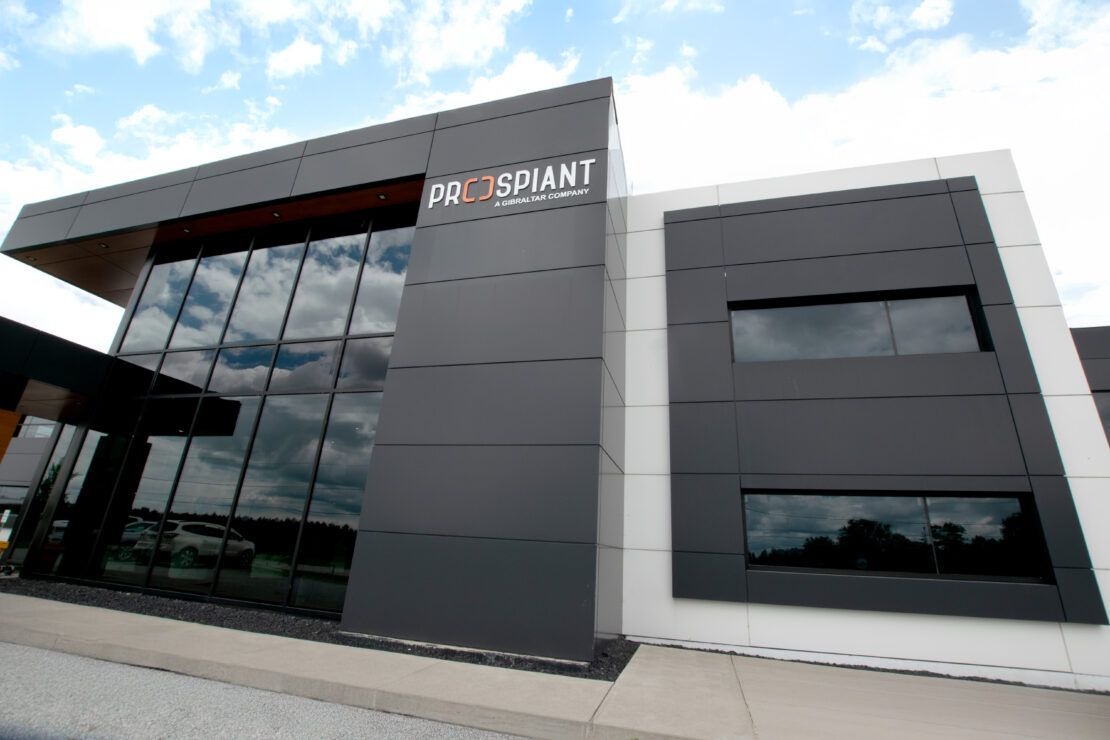
Prospiant is one of the most important Greenhouse Builders in the United States. It combines well-known greenhouse industry names including Nexus Greenhouse Systems, Rough Brothers, and ThermoEnergy Solutions, offering end-to-end products and services for greenhouse and controlled-environment agriculture projects.
Services Offered
Commercial greenhouses, glasshouses, Venlo-style structures, gutter-connected greenhouses, design-build services, environmental systems, heating, cooling, automation, extraction infrastructure, and project support.
Industries Served
Vegetable growers, fruit producers, cannabis operators, research institutions, universities, garden centers, nurseries, and controlled-environment agriculture investors.
Notable Projects
Prospiant notes that Rough Brothers/RBI, founded in 1932, and Nexus Greenhouse Systems, founded in 1967, have served greenhouse fruit and vegetable producers for decades.
Competitive Advantages
Prospiant’s advantage is experience, scale, and integrated greenhouse delivery across structure, systems, and controlled-environment infrastructure.
Headquarters
Cincinnati, Ohio region.
Website
prospiant.com
Why It Stands Out
Prospiant stands out for commercial greenhouse construction, CEA facilities, research greenhouses, and large-scale grower projects.
Gakon-Netafim
Overview
Gakon-Netafim is a major commercial greenhouse project provider connected to Netafim’s global irrigation and agricultural technology platform. Netafim USA describes Gakon-Netafim as a consistent leader in commercial greenhouse projects with 70 years of experience and presence in more than 110 countries.
Services Offered
Commercial greenhouse projects, greenhouse design, irrigation, fertigation, climate systems, water reuse, greenhouse construction coordination, and crop-focused growing infrastructure.
Industries Served
Commercial vegetable growers, hydroponic producers, nurseries, specialty crop farms, investors, and large agricultural operators.
Notable Projects
Gakon-Netafim supports major greenhouse projects internationally and serves U.S. growers through greenhouse and irrigation expertise.
Competitive Advantages
Its advantage is the combination of greenhouse project delivery with Netafim’s irrigation, fertigation, and water-management knowledge.
Headquarters
Global operations with U.S. support through Netafim USA.
Website
netafimusa.com
Why It Stands Out
Gakon-Netafim stands out for large commercial greenhouse projects where irrigation, fertigation, and water efficiency are central.
Conley’s Greenhouse Manufacturing
Overview
Conley’s Greenhouse Manufacturing is a long-running U.S. greenhouse manufacturer known for custom greenhouse design and manufacturing. The company traces its roots to 1946 and describes itself as a national greenhouse solutions provider.
Services Offered
Commercial greenhouses, custom greenhouse structures, nursery greenhouses, retail garden center structures, poly greenhouses, shade systems, ventilation, and greenhouse accessories.
Industries Served
Nurseries, garden centers, commercial growers, schools, research users, floriculture businesses, and specialty crop producers.
Notable Projects
Conley’s supports growers and institutions with custom greenhouse structures across the United States.
Competitive Advantages
Conley’s advantage is long manufacturing history, custom design capability, and practical greenhouse solutions for growers.
Headquarters
Montclair, California.
Website
conleys.com
Why It Stands Out
Conley’s stands out for custom greenhouse manufacturing, nursery structures, garden centers, and commercial grower projects.
Agra Tech
Overview
Agra Tech is a California-based commercial greenhouse manufacturer serving professional growers. The company identifies itself as a greenhouse manufacturer in Pittsburg, California, providing commercial greenhouses with natural ventilation and metal structures.
Services Offered
Commercial greenhouses, naturally ventilated greenhouses, gutter-connected structures, nursery houses, poly greenhouses, cooling systems, ventilation systems, benches, and greenhouse accessories.
Industries Served
Commercial growers, nurseries, garden centers, vegetable producers, flower growers, and specialty crop farms.
Notable Projects
Agra Tech has supplied greenhouse structures for commercial growing operations across multiple U.S. markets.
Competitive Advantages
Its advantage is U.S. manufacturing, commercial greenhouse specialization, and practical grower-focused designs.
Headquarters
Pittsburg, California.
Website
agratech.com
Why It Stands Out
Agra Tech stands out for commercial greenhouse structures, natural ventilation, and grower-focused manufacturing.
Stuppy Greenhouse
Overview
Stuppy Greenhouse is a U.S. greenhouse company serving commercial growers, garden centers, schools, research facilities, and institutional buyers. It is known for greenhouse structures, educational greenhouses, garden center buildings, and growing systems.
Services Offered
Commercial greenhouses, educational greenhouses, garden center structures, institutional greenhouses, benches, ventilation, cooling, heating, and greenhouse equipment.
Industries Served
Schools, universities, garden centers, nurseries, commercial growers, research institutions, and community agriculture programs.
Notable Projects
Not publicly listed here.
Competitive Advantages
Stuppy’s advantage is experience with educational and institutional greenhouse projects as well as commercial growing structures.
Headquarters
North Kansas City, Missouri.
Website
stuppy.com
Why It Stands Out
Stuppy stands out for schools, research facilities, garden centers, and commercial greenhouse projects.
Rimol Greenhouse Systems
Overview
Rimol Greenhouse Systems is a greenhouse manufacturer and supplier serving growers, farms, schools, nurseries, garden centers, and small commercial producers. It is especially relevant for high tunnels, hoop houses, and practical greenhouse systems.
Services Offered
High tunnels, hoop houses, commercial greenhouses, nursery greenhouses, greenhouse kits, roll-up sides, heating, ventilation, benches, and growing accessories.
Industries Served
Small farms, market growers, nurseries, schools, garden centers, organic farms, and specialty crop producers.
Notable Projects
Not publicly listed here.
Competitive Advantages
Rimol’s advantage is accessible greenhouse systems for small and mid-sized growers.
Headquarters
Hooksett, New Hampshire.
Website
rimolgreenhouses.com
Why It Stands Out
Rimol stands out for high tunnels, hoop houses, small farm greenhouses, and practical grower systems.
GrowSpan Greenhouse Structures
Overview
GrowSpan Greenhouse Structures supplies greenhouse structures for commercial growers, nurseries, cannabis producers, retail garden centers, research facilities, and small farms. It is part of the broader GrowSpan/FarmTek greenhouse and agricultural supply ecosystem.
Services Offered
Commercial greenhouses, hydroponic greenhouses, cannabis greenhouses, nursery structures, high tunnels, greenhouse kits, climate systems, benches, and growing equipment.
Industries Served
Commercial growers, cannabis operators, nurseries, schools, garden centers, hydroponic farms, and small farms.
Notable Projects
Not publicly listed here.
Competitive Advantages
GrowSpan’s advantage is broad product availability, greenhouse kits, and supply support for different grower sizes.
Headquarters
South Windsor, Connecticut.
Website
growspan.com
Why It Stands Out
GrowSpan stands out for greenhouse kits, commercial structures, hydroponic greenhouses, and grower supplies.
DeCloet Greenhouse
Overview
DeCloet Greenhouse is a greenhouse manufacturer serving North American growers with commercial greenhouse structures, institutional greenhouses, and growing systems. It is especially relevant for growers seeking durable structures and custom greenhouse layouts.
Services Offered
Commercial greenhouses, institutional greenhouses, gutter-connected structures, ventilation systems, shade systems, heating, cooling, benches, and greenhouse accessories.
Industries Served
Commercial growers, nurseries, floriculture producers, schools, garden centers, and specialty crop operations.
Notable Projects
Not publicly listed here.
Competitive Advantages
DeCloet’s advantage is commercial greenhouse manufacturing experience and custom structure support.
Headquarters
North American operations: Canada and U.S. markets.
Website
decloetgreenhouse.com
Why It Stands Out
DeCloet stands out for commercial greenhouse structures and custom grower-focused greenhouse systems.
Clayco
Overview
Clayco is not a traditional greenhouse manufacturer, but it is an important design-build contractor for large controlled-environment agriculture projects. Its CEA services include master planning, site selection, sustainability studies, procurement, vendor coordination, HVAC humidity and airflow analysis, lighting analysis, and head-house engineering.
Services Offered
Design-build construction, CEA facility planning, greenhouse program delivery, vertical farm construction, site selection, procurement, HVAC analysis, lighting analysis, and head-house engineering.
Industries Served
Controlled-environment agriculture developers, food producers, investors, large greenhouse operators, vertical farming companies, and institutional clients.
Notable Projects
Clayco supports complex greenhouse and CEA programs where building systems, logistics, and construction management are critical.
Competitive Advantages
Clayco’s advantage is large-project delivery, construction management, engineering coordination, and design-build expertise.
Headquarters
Chicago, Illinois.
Website
claycorp.com
Why It Stands Out
Clayco stands out for large CEA facilities where greenhouse construction overlaps with industrial building design and complex project delivery.
Local Commercial Greenhouse Contractors
Overview
Many effective Greenhouse Builders in the United States are regional greenhouse contractors and installers that serve farms, schools, nurseries, garden centers, research facilities, and local growers. These companies may install structures supplied by national manufacturers or build customized systems for local climate and crop needs.
Services Offered
Greenhouse installation, high tunnels, hoop houses, poly replacement, ventilation, heating, cooling, irrigation, shade systems, benches, repairs, and maintenance.
Industries Served
Small farms, schools, nurseries, garden centers, market growers, floriculture businesses, research users, and community agriculture projects.
Notable Projects
Most local greenhouse projects are not publicly listed, but nearby references and completed site visits are valuable.
Competitive Advantages
Their advantage is local climate knowledge, installation response, practical maintenance, and familiarity with permitting and weather conditions.
Headquarters
Varies by city and state.
Website
Varies by company.
Why It Stands Out
For many small and mid-sized projects, a qualified local greenhouse contractor may be the best partner because service and maintenance matter after construction.
Industry Trends Affecting Greenhouse Builders
Controlled-Environment Agriculture Growth
CEA is attracting growers who want predictable production, water efficiency, crop protection, and year-round supply. Greenhouses are often more practical than fully indoor vertical farms because they use natural sunlight.
Energy Efficiency
Heating, cooling, dehumidification, lighting, and ventilation can define project economics. Builders must design for energy performance, not only structural cost.
Automation and Climate Control
Growers increasingly use sensors, climate computers, fertigation systems, automated vents, shade curtains, energy curtains, LED lighting, and remote monitoring.
Water Reuse and Precision Irrigation
Commercial greenhouse projects often need drip irrigation, nutrient recirculation, filtration, disinfection, storage tanks, and water-quality monitoring.
Crop-Specific Design
A tomato greenhouse, leafy greens facility, orchid house, cannabis greenhouse, nursery house, and research greenhouse all need different height, light, airflow, benching, irrigation, and climate strategies.
Financial Discipline
Several indoor farming failures show that greenhouse builders and buyers must plan carefully around yield assumptions, labor, energy, crop pricing, logistics, and market access.
Buyer’s Guide: How to Choose Greenhouse Builders
Start With the Crop
Design should begin with the crop, production method, yield target, labor model, and market. Do not choose a greenhouse structure before defining the growing system.
Match Structure to Climate
Snow load, wind, heat, humidity, hail, hurricanes, wildfire smoke, and sunlight vary by region. The greenhouse must be engineered for local conditions.
Review Climate Systems
Ask about heating, cooling, ventilation, shade, energy curtains, dehumidification, fans, airflow, controls, and backup systems.
Evaluate Water and Nutrient Systems
Commercial projects need irrigation, fertigation, filtration, drainage, storage, reuse, and water-quality monitoring.
Check Engineering and Permitting
A serious builder should address codes, structural engineering, foundations, fire access, utilities, stormwater, zoning, and local inspections.
Watch for Red Flags
Red flags include no crop-specific design, vague climate-control plan, weak engineering documentation, no service support, unrealistic production claims, and no discussion of energy costs.
Why Greenhouse Builders Matter in the United States
Greenhouse builders support food security, nursery production, research, education, specialty agriculture, and local supply chains. Their work helps growers produce more consistently while using land, water, and inputs more efficiently.
Good greenhouse design improves crop quality, labor efficiency, disease control, water use, and year-round production. Poor design can damage profitability through high energy bills, weak ventilation, condensation, structural failures, and crop stress.
As agriculture faces climate pressure, water constraints, and supply-chain volatility, Greenhouse Builders in the United States will remain important to the future of controlled and protected cultivation.
Conclusion
The leading Greenhouse Builders in the United States include Prospiant, Gakon-Netafim, Conley’s Greenhouse Manufacturing, Agra Tech, Stuppy Greenhouse, Rimol Greenhouse Systems, GrowSpan, DeCloet Greenhouse, Clayco, and strong local commercial greenhouse contractors. Prospiant and Gakon-Netafim are strong for large commercial and CEA projects. Conley’s, Agra Tech, Stuppy, Rimol, GrowSpan, and DeCloet serve growers, nurseries, schools, and commercial producers. Clayco is relevant for major design-build CEA facilities.
For buyers, the best greenhouse builder is the one with crop-specific knowledge, climate engineering, water-system expertise, construction discipline, realistic operating assumptions, and long-term service support.
Frequently Asked Questions
What are the best Greenhouse Builders in the United States?
Some of the best-known Greenhouse Builders in the United States include Prospiant, Gakon-Netafim, Conley’s Greenhouse Manufacturing, Agra Tech, Stuppy Greenhouse, Rimol Greenhouse Systems, GrowSpan, DeCloet Greenhouse, Clayco, and strong local greenhouse contractors. The best choice depends on crop type, project size, climate, budget, automation needs, and whether the project is commercial, educational, research-based, or farm-scale.
What does a greenhouse builder do?
A greenhouse builder designs, manufactures, supplies, installs, or constructs greenhouse systems. Services may include structural design, glazing, framing, foundations, ventilation, heating, cooling, shade systems, irrigation, fertigation, benches, controls, lighting, head-house planning, and maintenance support. Some builders provide full design-build delivery, while others supply structures installed by contractors.
How do I choose a greenhouse builder?
Choose a greenhouse builder based on crop experience, engineering quality, climate-system knowledge, local weather requirements, project references, warranty, service support, and ability to integrate irrigation, heating, cooling, lighting, and automation. Buyers should ask for similar completed projects and speak with growers using those systems.
What is the difference between a greenhouse and a high tunnel?
A greenhouse is usually a more engineered structure with controlled ventilation, heating, cooling, irrigation, and sometimes automation. A high tunnel is typically simpler, often covered with polyethylene, and used to extend seasons or protect crops. High tunnels are less expensive but offer less environmental control.
Which greenhouse type is best for commercial growers?
The best greenhouse type depends on crop, climate, budget, production method, and market. Glass greenhouses and Venlo-style structures are common for high-tech commercial production. Polycarbonate or polyethylene greenhouses can be practical for nurseries, small farms, and lower-cost systems. Hydroponic crops often need more advanced climate and irrigation control.
Are commercial greenhouses profitable?
Commercial greenhouses can be profitable when crop selection, market access, energy cost, labor, yield, pricing, and operating discipline are realistic. They can also fail when capital costs are too high, energy costs are underestimated, or market prices are weak. Buyers should prepare a serious business plan before building.
How much does a commercial greenhouse cost?
Costs vary widely by size, structure type, glazing, automation, heating, cooling, lighting, irrigation, land work, utilities, foundations, permitting, and crop system. A simple hoop house costs far less than a high-tech glasshouse or multi-acre hydroponic facility. Buyers should compare total installed and operating costs.
What systems should be included in a greenhouse project?
A greenhouse project may include structure, glazing, foundations, ventilation, heating, cooling, shade curtains, energy curtains, fans, irrigation, fertigation, filtration, drainage, lighting, benches, controls, monitoring, backup power, and head-house facilities. The exact package depends on crop and production model.
What are warning signs of a weak greenhouse builder?
Warning signs include no crop-specific planning, no climate calculations, vague engineering, weak references, unrealistic yield claims, poor warranty terms, no water-system discussion, and no service plan. For commercial projects, lack of operating-cost analysis is a serious concern.
Why are Greenhouse Builders important?
Greenhouse Builders are important because they create the structures and systems that allow controlled crop production. Their work supports year-round growing, water efficiency, local food supply, nursery production, agricultural research, and climate resilience.
Read Also: Agrochemical Companies in the United States