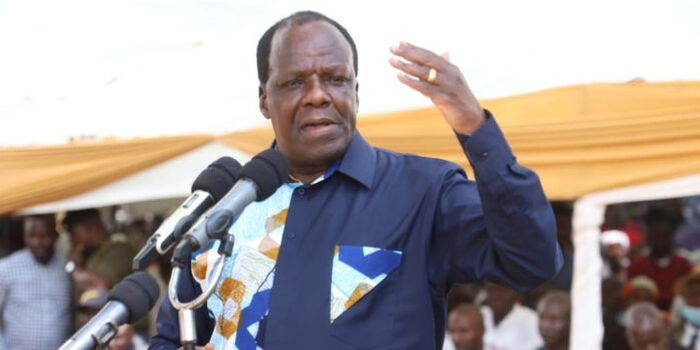
Kenya has an electoral seat called Kiambaa seat. It is one of Kiambu County’s twelve constituencies. It was created as a constituency for the elections of 1963. List of Elected MCAs in Kiambaa Constituency 2022
Here is a List of Elected MCAs in Kiambaa Constituency 2022
586. Cianda – Joseph Koigi Kienjeku (UDA)
587. Karuri – Peter Njoroge Wainaina (JIBEBE)
588. Ndenderu – David Mwaura Wanjiru (UDA)
589. Muchatha – Kenneth Karanja Kamau (UDA)
590. Kihara – John Ngure Muthondu (JP)
Understanding the Role of Members of the County Assembly (MCAs) in Kenya
Who is a Member of the County Assembly (MCA)?
Members of the County Assembly (MCAs), also known as Ward Representatives, are elected officials responsible for representing the interests of residents at the ward level within the County Assembly. Kenya’s administrative structure is segmented into Wards, Sub-Counties (or Constituencies), Counties, and the Country, with the Ward being the smallest unit. The County Assembly Clerk administers the oath to MCAs during the first sitting of the County Assembly.
The Primary Roles of MCAs
1. Maintaining Close Contact with the Electorate
MCAs are expected to maintain continual engagement with their constituents, consulting them on legislative matters before the County Assembly. This role is critical as it ensures that the MCAs represent the actual needs and opinions of the people, adhering to the principles of indirect democracy that Kenya practices.
2. Representing the Electorate’s Views and Proposals
MCAs are tasked with presenting the views, opinions, and proposals from their constituents to the County Assembly. This could involve advocating for specific projects under the Ward Development Fund or influencing resource allocation during the budget process to address the needs of their wards.
3. Participation in County Assembly Sessions and Committees
Attendance at County Assembly sessions and committee meetings is crucial for MCAs. These platforms allow them to debate, vote on issues, and partake in detailed examinations of legislative matters. Consistent attendance is mandatory, as failure to attend eight consecutive sittings can lead to loss of their seat.
4. Linking the Electorate with Public Service Delivery
MCAs act as vital links between the County Assembly and the electorate concerning public service delivery. They play a significant role in ensuring that services such as healthcare, agriculture, and education are delivered efficiently and equitably. Through public forums and direct consultations, they gather and relay public feedback to the Assembly.
5. Utilizing Professional and Specialized Knowledge
The effectiveness of MCAs often depends on their ability to apply professional knowledge and expertise to legislative and oversight functions. Whether it’s influencing policy through committee discussions or participating in the drafting of laws, the specialized knowledge of MCAs is invaluable in shaping effective governance at the county level.
What MCAs Should Not Do
1. Engage in Executive Functions of the County Government
MCAs should not perform executive functions, which include the management and implementation of funds or direct execution of projects. This separation ensures that MCAs can objectively perform oversight without conflicts of interest.
2. Assume Roles of County Government Officers or Employees
MCAs are not to act as if they are officers or employees of the County Government. Their role is to legislate, represent, and oversee—not to execute—which helps maintain clear boundaries between different branches of government and enhances accountability.
Summary
The role of Members of the County Assembly in Kenya is multifaceted, encompassing legislation, representation, and oversight. By understanding their responsibilities and limitations, MCAs can effectively contribute to the governance and development of their counties, ensuring that the needs and interests of their constituents are addressed within the broader framework of county and national objectives.