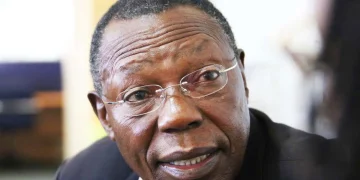
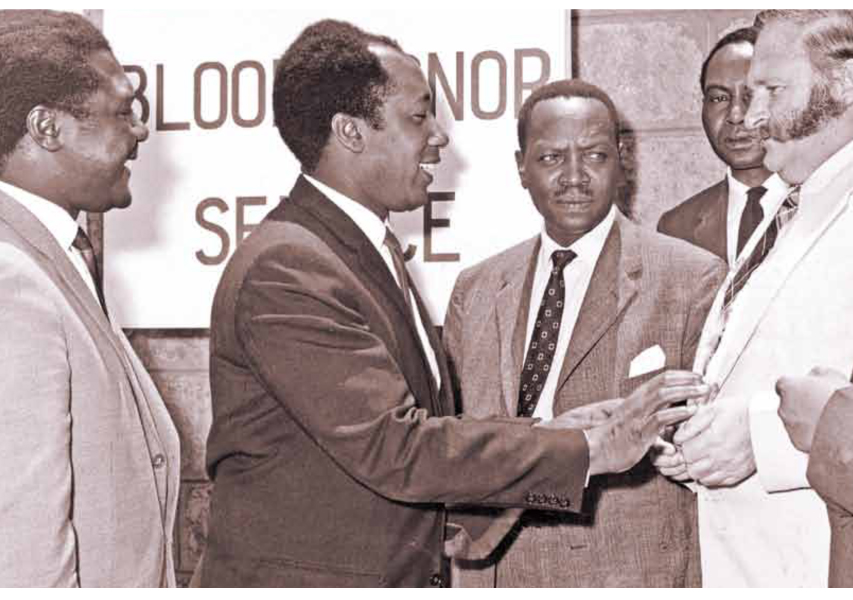
Pioneering educator, politician, administrator, freedom warrior, lawmaker, and cabinet minister Joseph D. Otiende continues to lead the Western Province community.
Along with others, this nonagenarian committed unselfish devotion that laid the foundation for Kenya’s nationhood and eventually to political independence. He served in the Cabinets of President Jomo Kenyatta in the areas of housing, education, agriculture, culture, and health. Resigning from politics at a young age—he was just in his 50s—after losing the 1969 election for the Vihiga parliamentary seat, he did not run again.
Otiende claimed in a recent interview that his function in life was molded from an early age. When he first entered school in the 1920s, he states, “My father was a teacher and a cleric.” Even in those early days, when the necessity of education had not yet fully set in with the general public, he recognized the value of it.”
Otiende was born in 1917 in the Vihiga hamlet of Akelo, where he resided until his death. In addition to making sure he had an early education, he remembers that his father, who preached the gospel and supported education, was also in charge of many other children’s educations in the Maragoli, Kisumu, and Maseno regions. He and his family went wherever he was stationed. Otiende was left with long-lasting effects from this, especially from being exposed to the languages and customs of groups other than his Maragoli. He had been informed that the Bible was the source of all information before to enrolling in Butere Normal School, his first educational institution. This was due to the fact that his father read the pretty “big book” both on the pulpit and at home.
Otiende was among the first students of the Church Missionary Society’s new school in Maseno, which opened its doors in 1926. Oginga Odinga and Archbishop Festus Olang of the Anglican Church were among his fellow students.
“Even though we were still young, Jaramogi and I had our sights set on future leadership,” the speaker reminisces.
Olang had a religious propensity from a young age. The pioneering students bonded better and regarded one another like brothers since they were boarders.
Otiende claims that Maseno holds a particular place in his heart for the comprehensive education and strong spiritual and secular learning that the European missionaries turned educators instilled in him and his classmates.
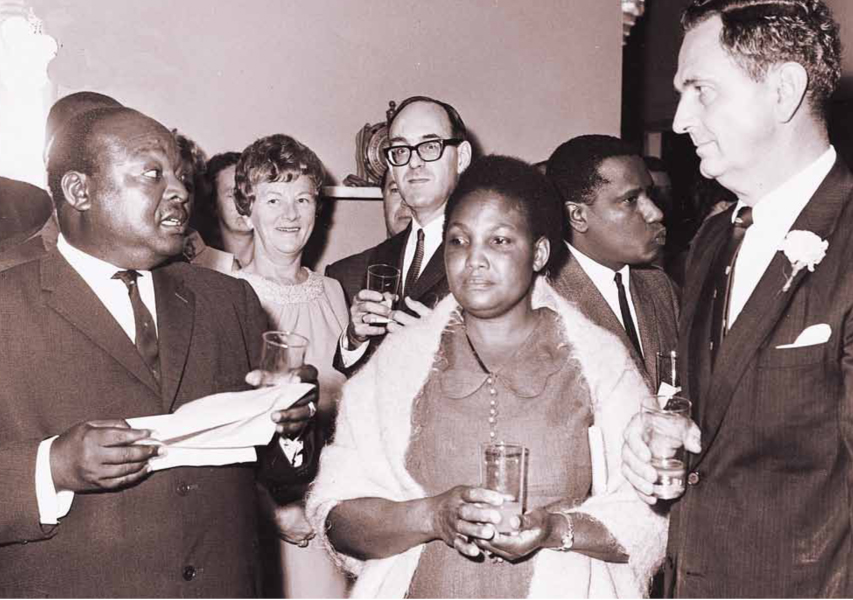
The only culture beyond his own that he could relate to when he joined Maseno was Luo. The colonial administration had an apartheid-like policy in place at the time. It was forbidden for communities to mix together for fear that they would plot to overthrow their captors. If Otiende’s upbringing in western Kenya was influenced by lads from many groups, it was further amplified in 1930 when he joined Alliance following his success at Maseno. He remembers that “when I went to Alliance, the breaking of inter-tribal barriers took an irreversible turn for me.”