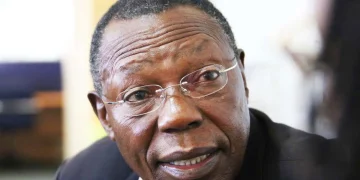
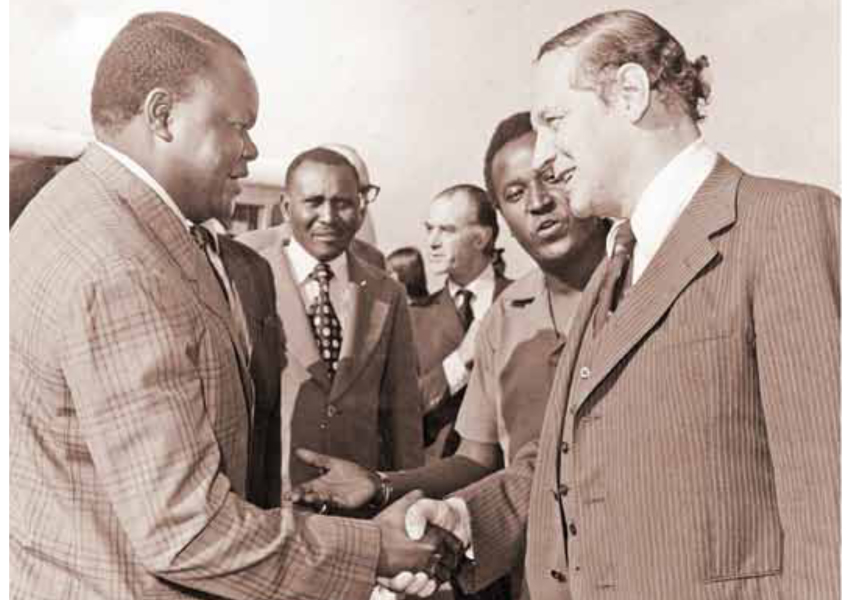
The politician Jeremiah Joseph Mwaniki Nyagah is most known for chose to leave politics and live in a hamlet after making distinguished contributions to the ministries of education and agriculture.
Nyagah began his elementary schooling in 1925 at the Anglican Missionary School at Kabare, in what is now Kirinyaga County. Nyagah was born on November 24, 1920, in Igari, Embu. He was later sent to Kagumo in Nyeri, where he took the Standard Eight tests. In 1937, he enrolled in Alliance High School (student number 427). He enrolled in a three-year diploma program at Makerere College in Uganda in 1940 after graduating from Alliance.
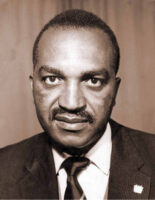
Nyagah’s life was filled with many firsts. In Kenya, he took the Cambridge School Certificate test among other Africans for the first time. Njonjo and B.M. Gecaga, who subsequently taught at Kahuhia, Murang’a and was a pupil of politician Kenneth Matiba, were among his Alliance classmates. In January 1944, Nyagah left Makerere and went back to Kenya to start a teaching profession, which he gradually blended with moderate politics. Nyagah worked as a teacher at a number of schools and institutions between 1944 and 1958. When Kangaru School in Embu opened with just 30 students, Nyagah was the first instructor there.
Nyagah was able to travel across central Kenya thanks to his job as an education officer, making friends with the leadership of the churches, particularly the Anglican Church, and the moderates. In order to receive more training, Nyagah spent two years at Oxford University’s Department of Education from 1952 to 1954 before being sent to Kiambu as an assistant education officer. The liberation battle of the Mau Mau had begun during this time. Nyagah brought the Kikuyu Independent Schools Association (KISA), which oversees the independent schools, under the District Education Boards’ (DEB) administrative control. Schools were viewed as subversive education grounds.
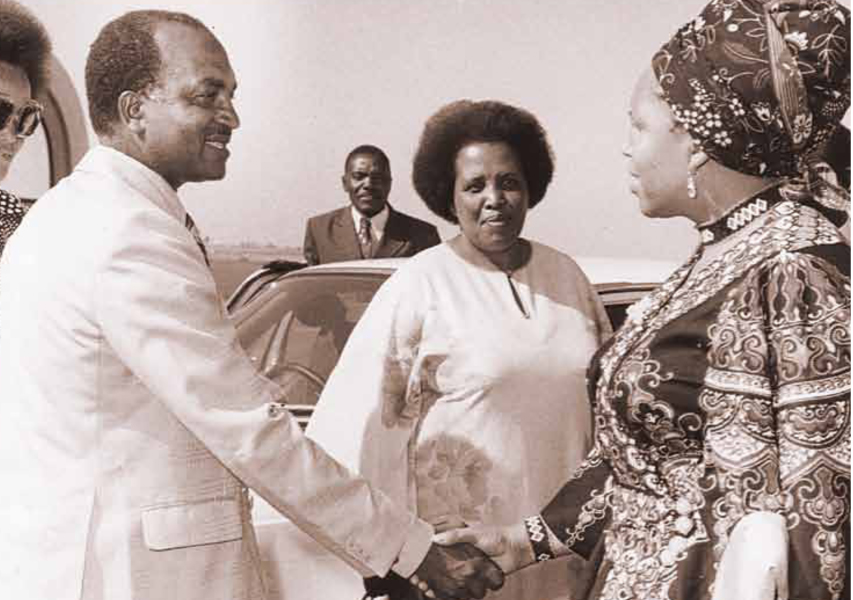
Nyagah ran for the Central seat when the colonial administration convened the March 1957 elections in order to admit the first eight Africans to the Legco as a result of the Lyttelton Constitution. However, Bernard Mate, a relatively unknown teacher with training from South Africa, defeated him with 51% of the vote to Nyagah’s 12%. Among the other contestants were Stephen Kioni, the inaugural secretary-general of the Kenya National Union of Teachers (KNUT), Eliud Mathu, the first African employee of the Legco, and attorney David Waruhiu.
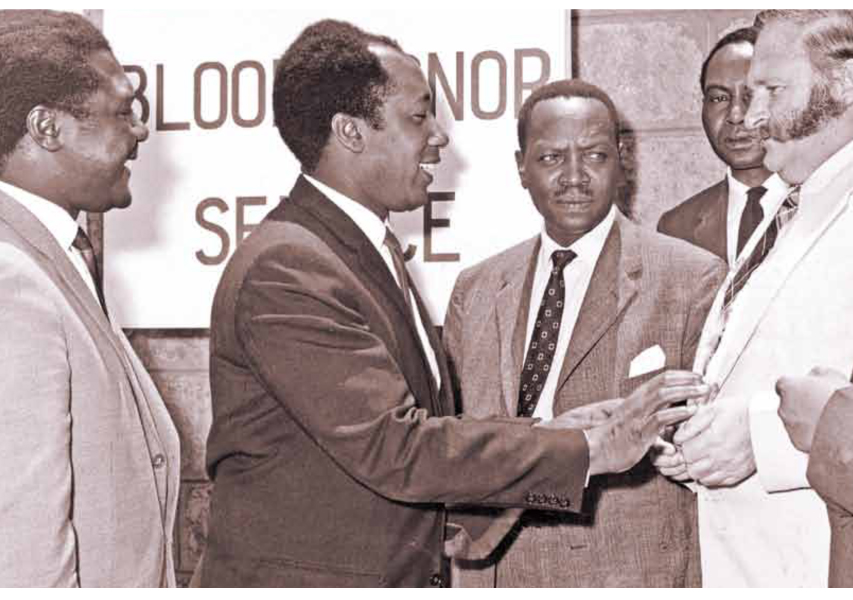
To equalize African lawmakers with those from Europe, the eight African members in the Legco, led by Tom Mboya, advocated for the inclusion of six African elected seats. Due to this action, Allan Lennox-Boyd, the British Secretary of State for the Colonies, was compelled to impose on Kenya in November 1957 a constitution that added more seats for Africans. Nyagah ran and won the 1958 elections for the newly created Embu seat.
A moderate politician, Nyagah joined the Kenya College of Citizenship Association, also formally known as the Capricorn Society, a small group of idealistic people from many ethnic backgrounds in 1960. The organization thought that prosperity for the countries of East and Central Africa would be possible in the absence of racial prejudice. In lieu of Musa Amalemba, he was named the association’s governor.