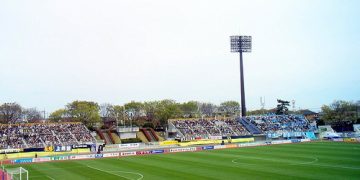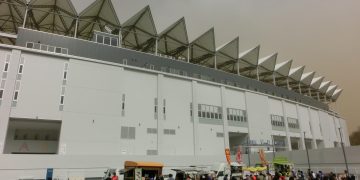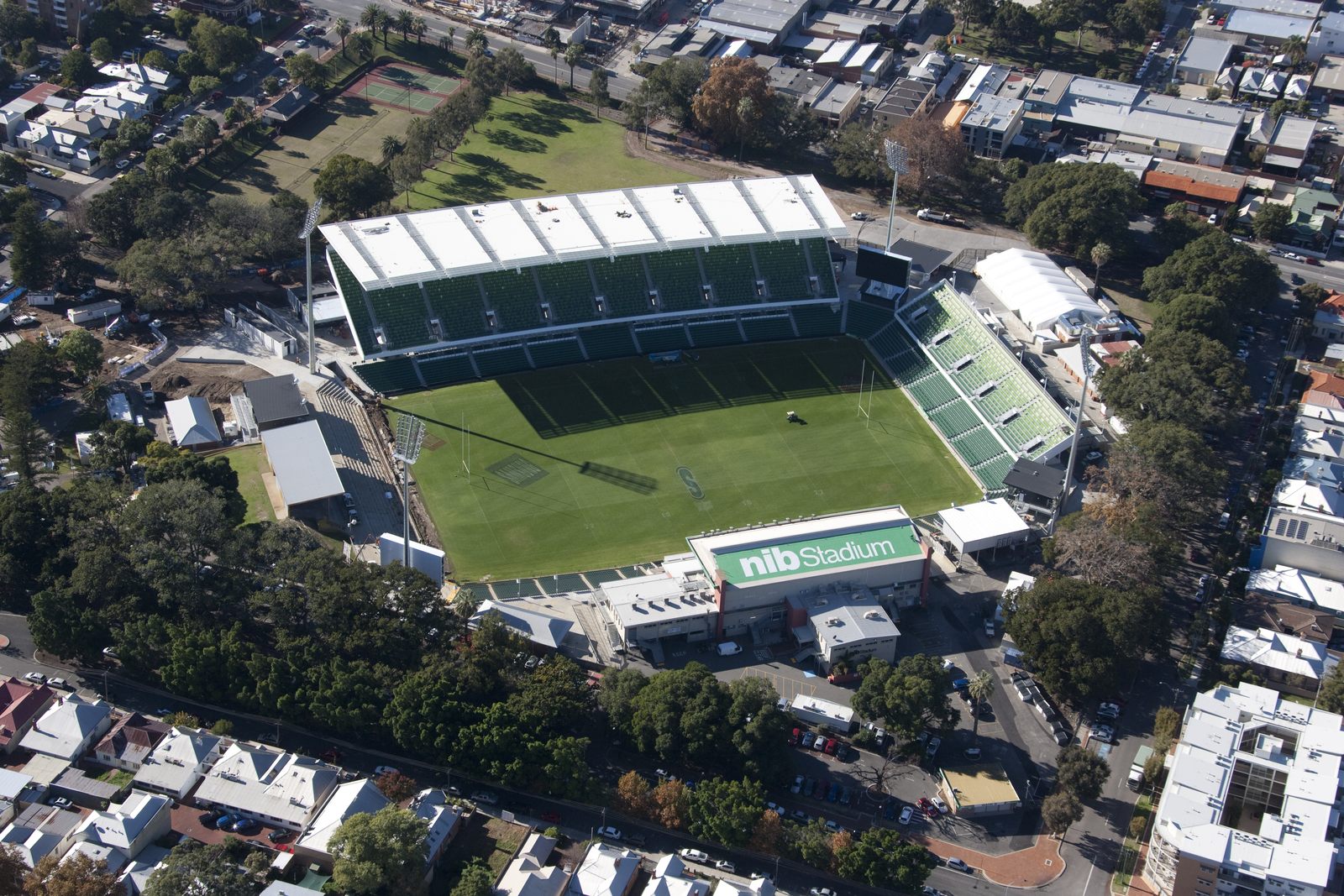
HBF Park (formerly nib Stadium) is located in the heart of Perth, Australia, with a rich history that spans back to 1903. Originally designed for Australian rules football, it has evolved over the decades into one of the city’s premier multi-purpose venues. Today, it serves as a significant location for football, rugby, and major events, hosting everything from Perth Glory FC games to live concerts.
A Brief History of HBF Park
Opened in 1903, the venue started as a simple, oval-shaped ground without permanent stands. Over the years, the layout adapted to suit the needs of the growing crowd. The first major change occurred in 2004, when the stadium was reconfigured to a rectangular shape to accommodate the Perth Glory FC and meet the demand for more football-friendly features. This transformation created a sunken bowl with 13 rows of seating, allowing fans to be closer to the action.
Renovations and Growth
In 2012, further renovations took place, expanding the venue’s capacity and improving the overall fan experience. The addition of the east and south upper decks increased the stadium’s capacity to 20,156 for sporting events. Concerts at the venue can now accommodate up to 25,000, making it a versatile space for a wide variety of events. The stadium’s ability to host large crowds, while maintaining a more intimate atmosphere, has contributed to its success.
Iconic Features and Architecture
HBF Park’s north gate, built in the early 1930s, stands as one of the venue’s most historic architectural features. Socially, the northern terrace, known as the Shed End, is a beloved space where fans stand together in a terrace-style environment. This area remains one of the few parts of the stadium where individual seating has never been installed, preserving the traditional atmosphere for Perth’s football and rugby fans.
Sporting Legacy and Memorable Events
Throughout its long history, HBF Park has been the site of numerous significant sporting events. The 1969 Perth derby, between East Perth and West Perth in Australian football, set a record attendance of 26,760 spectators, a testament to the stadium’s importance in the city’s sporting culture. More recently, the stadium hosted Perth Glory FC matches, international rugby fixtures, and various music concerts, cementing its reputation as a hub for both sport and entertainment.
The Czech Tour and Kangaroo Mascot
A particularly memorable moment in the stadium’s history occurred in 1927 when the Czech football team, Bohemians, toured Australia and played at Perth Oval. After an 11-3 victory at the stadium, the team famously adopted the kangaroo as their mascot, following their return home with four live kangaroos. This unique moment continues to be part of the stadium’s quirky heritage.
The Future of HBF Park
With recent improvements and renovations, HBF Park has become one of Australia’s top football venues. The stadium is now better equipped for modern sports and entertainment, while still honoring its historic roots. As Perth Glory FC and other teams continue to call this venue home, HBF Park will undoubtedly remain a cornerstone of Perth’s sports culture for years to come.