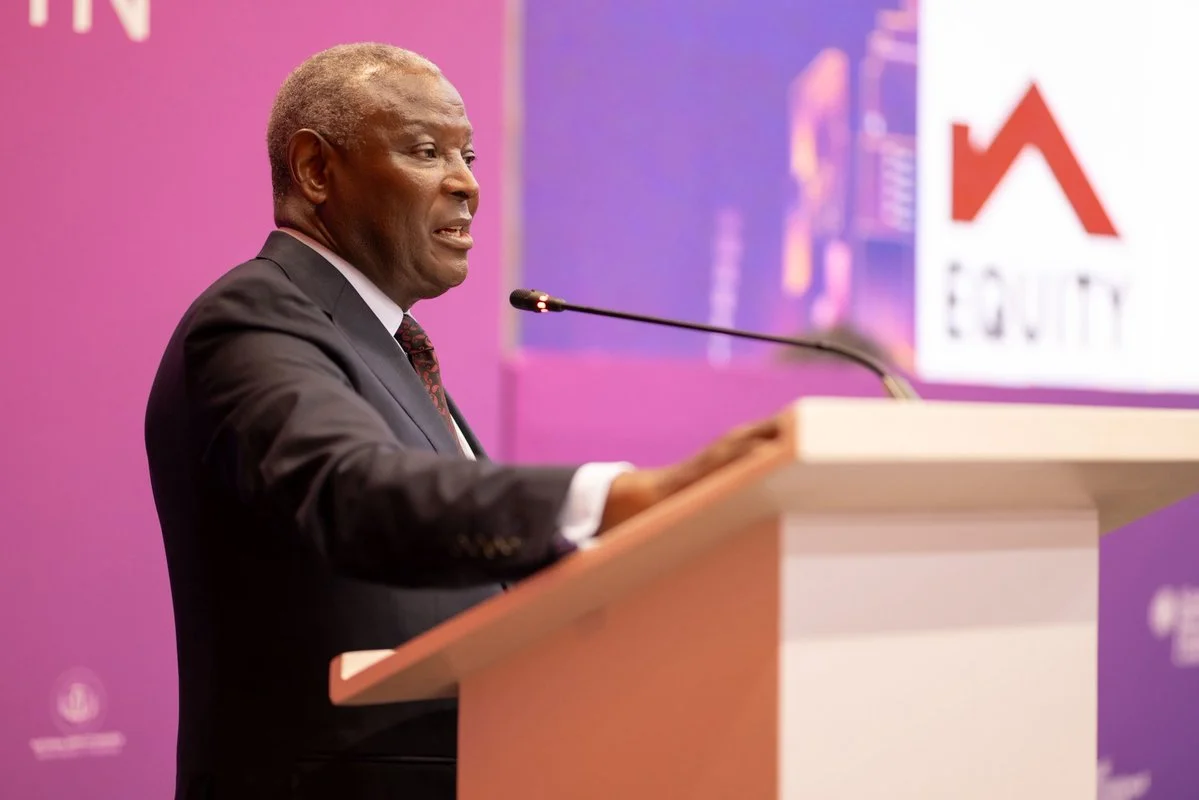
The Equity fraud investigation in Rwanda has intensified after authorities detained 35 suspects and expanded the probe across borders, with about $2.5 million still missing. The Rwanda Investigation Bureau is leading the case, which has also seen six suspects arrested in Uganda as part of a coordinated crackdown.
Equity Bank Rwanda said its internal systems detected irregular transactions, triggering immediate security measures. The bank added that most of the transactions were reversed within 24 hours and that customer deposits remain secure.
Equity fraud investigation and missing funds
The Equity fraud case involves an estimated $3.4 million, with only about $870,000 recovered so far, according to figures reported by Taarifa Rwanda. This leaves roughly 74% of the suspected funds unaccounted for.
Authorities have seized electronic devices for forensic analysis, as investigators work to trace the flow of funds and identify those responsible. The bank said it is cooperating with law enforcement and the National Bank of Rwanda.
“We wish to reassure our customers and stakeholders that customer deposits and accounts remain safe and secure,” Equity Bank Rwanda said in a statement dated March 15.
Equity fraud scheme used mobile money float
Investigators believe the Equity fraud scheme exploited Rwanda’s mobile money float system. Under normal conditions, agents deposit cash into a trust account and receive equivalent digital value for transactions.
However, authorities say the suspects bypassed transaction limits by using bulk float purchases. SIM cards with no transaction history were reportedly used to acquire float worth up to $72,000 each.
A bank official said some of the SIM cards had never handled even minimal transactions before the activity was detected.
Equity fraud linked to vendor platform access
The investigation has also focused on a technology platform operated by ESICIA Ltd., which provides internet banking software to Equity Bank Rwanda. Forensic teams are reviewing system logs and access records to determine how the breach occurred.
Two of the detained suspects are members of the bank’s IT staff, specifically involved in data center operations. Investigators are examining whether the fraud involved physical or technical access to internal systems.
A bank official cautioned that the detentions do not confirm guilt and said the findings will depend on the outcome of forensic investigations.
Equity fraud crackdown follows earlier internal probe
The current Equity fraud case comes after a broader anti-fraud campaign by Equity Group in 2025. The bank dismissed more than 1,200 employees in Kenya following investigations into internal collusion and financial losses exceeding $15 million.
Group CEO James Mwangi has since extended the crackdown to other markets, including Uganda, and signaled a firm stance on fraud.
“I don’t even care. I have just started the journey. I will protect the customers and the bank. I will be ruthless,” Mwangi said during the earlier campaign.
Equity fraud raises regional banking concerns
The ongoing Equity fraud investigation highlights growing risks facing financial institutions in East Africa, particularly as digital banking and mobile money systems expand.
The case also underscores challenges in securing cross-border financial systems and monitoring third-party technology providers. With subsidiaries across multiple countries, Equity Group’s response may influence broader regulatory and compliance measures in the region.
The investigation remains ongoing, with no timeline provided for its conclusion. Market observers are expected to monitor developments closely, particularly as the bank’s shares trade on regional exchanges.