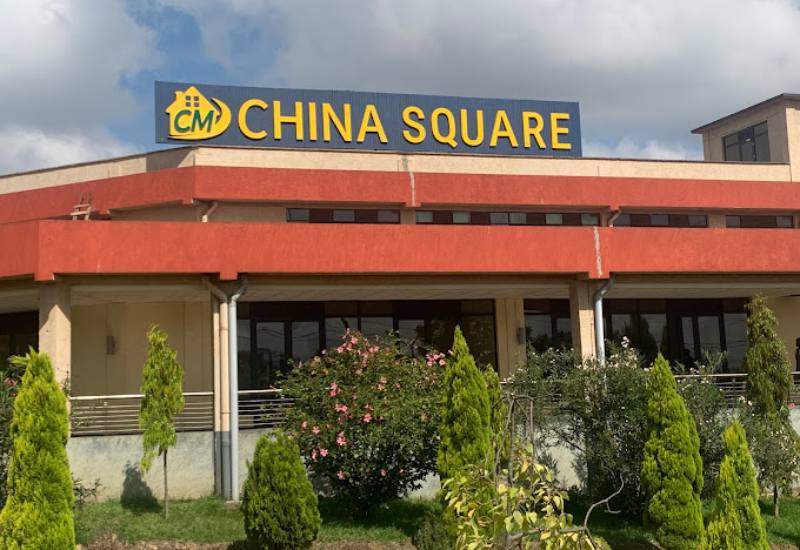
China Square, located at Unicity Mall next to Kenyatta University along Thika Road, entered Kenya’s retail market in early 2023 with a bang. The retailer rapidly gained popularity by offering electronics, homeware, and clothing at significantly lower prices than most local outlets. In just a few weeks, it became a hotspot for bargain hunters across Nairobi and beyond. China Square’s Controversial Closure in Kenya.
However, the very factors that made China Square attractive to consumers—affordability and product range—soon sparked backlash from competing Kenyan traders and political circles.
Conflict With Local Traders and Government Reaction
Only one month after launching, China Square found itself embroiled in controversy. Competing traders raised concerns over the retailer’s pricing strategy, claiming it was undercutting local businesses and threatening the survival of small-scale traders in places like Kamukunji, Eastleigh, Gikomba, and River Road.
In response, Trade Cabinet Secretary Moses Kuria made a public statement asserting that Chinese investors were welcome in Kenya only as manufacturers—not as direct retailers. He suggested that the government would support China Square’s owners in setting up a manufacturing facility instead of continuing their retail operations. The aim was to link the Chinese investors with existing trader communities, who would act as local distributors.
Indefinite Closure Announcement
On February 26, 2023, China Square announced an indefinite closure. The reasons cited included:
- Overwhelming customer traffic
- A shortage of cashiers/tills
- Inability to meet shopper expectations
- Safety concerns due to congestion
Despite the closure, reports indicated that China Square was selling nearly KSh 10 million ($78,678) in goods daily — a staggering figure for any retailer in the country.
Public Backlash and Trade Policy Concerns
The Kenya China Chamber of Commerce (KCCC) harshly criticized the government’s handling of the situation. The Chamber accused Trade CS Moses Kuria of attempting to forcefully evict China Square’s owner by purchasing the lease without engaging in consultation.
They further argued that such actions violated Kenya’s commitment to fair trade practices and discouraged foreign investment by creating an unpredictable policy environment.
What This Means for Kenya’s Retail Sector
The closure of China Square ignited debates about market competition, protectionism, and globalization in Kenya. While local traders applauded the government’s protective stance, many consumers and business experts argued that healthy competition ultimately benefits the economy by driving down prices and improving service standards.
Key questions remain unanswered:
- Will China Square return in a different form, perhaps as a manufacturer?
- Can local traders compete without protectionist measures?
- Will Kenya revise its trade policies to ensure consistency for foreign investors?