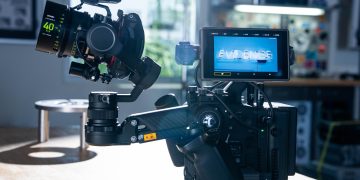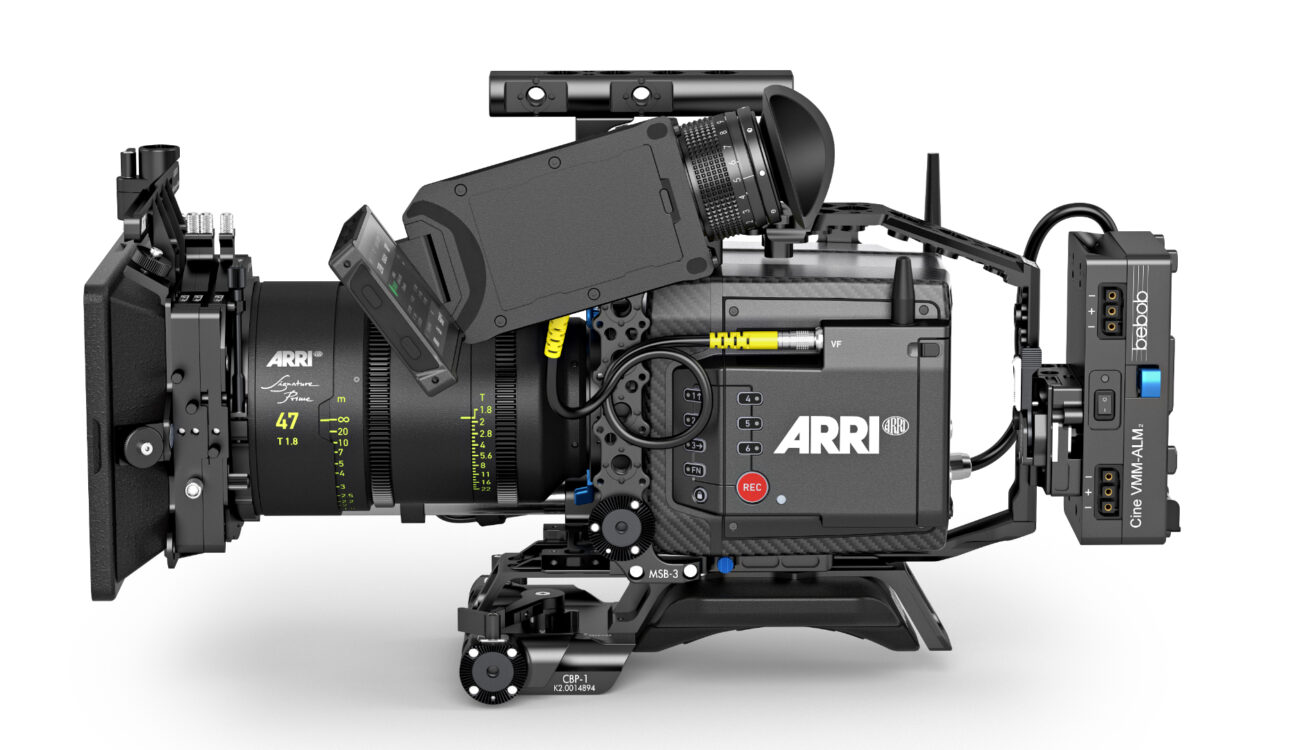
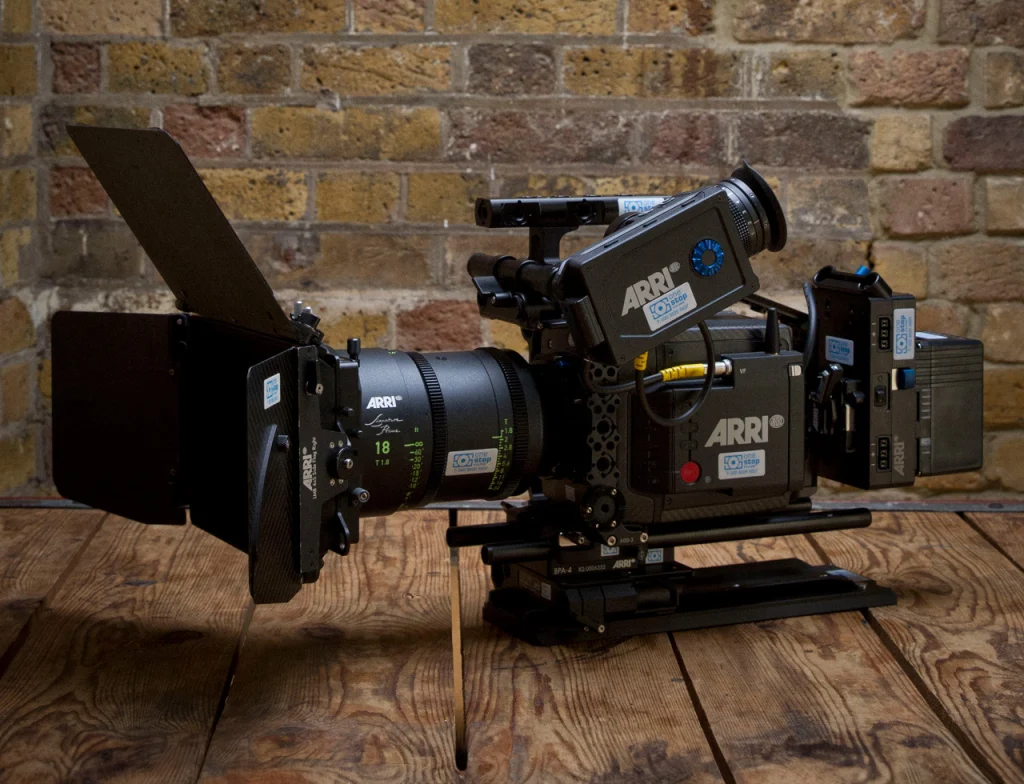
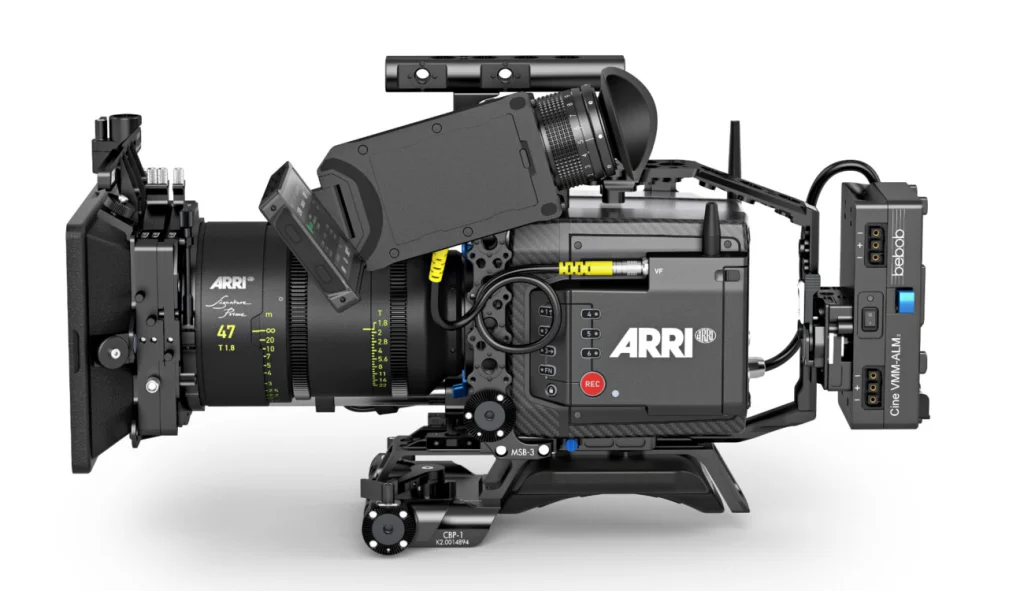
ARRI ALEXA Mini is one of the most influential compact digital cinema cameras ever released for professional film, television and commercial production.
Launched in 2015, the ALEXA Mini brought the trusted ALEXA image into a smaller, lighter and more flexible camera body. It quickly became popular because crews could use it on drones, gimbals, cranes, handheld rigs, car mounts, remote heads and tight locations where larger ALEXA cameras were harder to manage.
The camera uses a Super 35 ARRI ALEV III CMOS sensor and supports ARRIRAW and Apple ProRes recording. It also offers 4K UHD upscaling, anamorphic modes, high frame rates and multiple lens mount options.
Even after newer ARRI cameras arrived, the ALEXA Mini remained a respected production tool because of its image quality, reliability and small form factor.
Key Camera Specifications
The ARRI ALEXA Mini uses a Super 35 sensor with a maximum photosite area of 3424 x 2202. Its active Open Gate area is around 28.25 x 18.17 mm, while common listed sensor dimensions are close to 28.17 x 18.13 mm.
| Feature | ARRI ALEXA Mini |
|---|---|
| Camera type | Super 35 digital cinema camera |
| Release period | May 2015 |
| Sensor type | ARRI ALEV III CMOS |
| Sensor format | Super 35mm |
| Sensor size | About 28.17 x 18.13 mm |
| Maximum sensor photosites | 3424 x 2202 |
| Base sensitivity | ISO 800 |
| Lens mounts | PL with LDS, EF and B4 options |
| Main recording formats | ARRIRAW and Apple ProRes |
| Maximum sensor frame rate | Up to 200fps depending on mode |
| Recording media | CFast 2.0 cards |
| Body weight | About 2.3 kg |
| Dimensions | About 185 mm x 140 mm x 125 mm |
The ALEXA Mini was not simply a smaller camera. It became a new production standard because it made the ALEXA look easier to rig and move.
Super 35 Sensor and Image Quality
The ALEXA Mini uses ARRI’s proven ALEV III Super 35 sensor.
This sensor family helped define the digital cinema look of the 2010s. It is known for natural skin tones, smooth highlight roll-off, strong colour separation and reliable performance in demanding lighting.
The camera’s base sensitivity is ISO 800, which gives cinematographers a balanced exposure point for studio, exterior, night and mixed-light shooting.
Why Super 35 Matters
Super 35 remains important because many professional cinema lenses were designed for this format.
The ALEXA Mini works well with classic PL lenses, modern Super 35 lenses, anamorphic lenses and specialty optics. This makes it flexible for different visual styles, from polished commercials to handheld drama and music videos.
Super 35 also gives a familiar balance between depth of field and field of view, which many cinematographers still prefer.
ARRIRAW and ProRes Recording
The ALEXA Mini records in ARRIRAW and Apple ProRes.
ARRIRAW is the higher-end option for productions that need maximum flexibility in post-production. It preserves more image information and gives colourists more control over exposure, colour and contrast.
ProRes is more efficient and easier to manage. It is widely supported across editing systems and remains a practical choice for commercials, television, documentaries, music videos and fast-turnaround projects.
Choosing ARRIRAW or ProRes
ARRIRAW is best for feature films, visual effects, premium commercials and projects that require the strongest grading flexibility.
ProRes is better when the production wants strong ARRI image quality with easier storage, faster editing and simpler data management.
This dual-recording flexibility helped make the ALEXA Mini useful across many types of professional work.
Recording Modes and Formats
The ARRI ALEXA Mini supports several recording formats for Super 35, Super 16, anamorphic and 4K UHD workflows.
| Recording Format | Resolution |
| S16 HD | 1920 x 1080 |
| HD | 1920 x 1080 |
| 2K | 2048 x 1152 |
| 3.2K | 3200 x 1800 |
| 4K UHD | 3840 x 2160 |
| 4:3 2.8K | 2944 x 2160 |
| 2.39:1 2K Anamorphic | 2048 x 858 |
| HD Anamorphic | 1920 x 1080 |
| ARRIRAW 16:9 2.8K | 2880 x 1620 |
| Open Gate 3.4K | 3424 x 2202 |
This range made the camera valuable for many workflows. It could be used for standard 16:9 production, anamorphic shooting, 4K UHD delivery and lightweight specialty setups.
4K UHD Recording Performance
The ALEXA Mini supports 4K UHD ProRes recording at 3840 x 2160.
This 4K UHD mode is generated through in-camera upscaling rather than a native 4K sensor readout. Even so, it became important because many productions needed 4K deliverables while still wanting the ARRI image.
| Resolution | Codec | Frame Rates | Sampling | Bit Depth |
| 3840 x 2160 | ProRes 4444 XQ | Up to 30p | 4:4:4:4 | 12-bit |
| 3840 x 2160 | ProRes 4444 | Up to 60p | 4:4:4:4 | 12-bit |
| 3840 x 2160 | ProRes 422 HQ | Up to 60p | 4:2:2 | 10-bit |
| 3840 x 2160 | ProRes 422 | Up to 60p | 4:2:2 | 10-bit |
| 3840 x 2160 | ProRes 422 LT | Up to 60p | 4:2:2 | 10-bit |
This helped the ALEXA Mini remain useful for broadcasters, streamers and clients who required 4K UHD delivery.
Open Gate and Anamorphic Options
The ALEXA Mini supports Open Gate 3.4K recording at 3424 x 2202.
Open Gate uses the full available sensor area, giving cinematographers more flexibility for framing, stabilisation, reframing and anamorphic extraction.
The camera also supports 4:3 2.8K, 2K anamorphic and HD anamorphic formats. These options made it popular on productions using anamorphic lenses.
Why Anamorphic Support Matters
Anamorphic cinematography creates a wider image with distinctive lens characteristics.
These may include oval bokeh, horizontal flare, edge softness and a unique sense of width. The ALEXA Mini’s anamorphic modes helped filmmakers use those lenses in a compact body without sacrificing the ARRI look.
High Frame Rates and Slow Motion
The ARRI ALEXA Mini supports sensor frame rates up to 200fps depending on the selected recording mode.
This made it more flexible than many larger ALEXA bodies of its time, especially for commercials, action, music videos and stylised slow-motion shots.
High frame rates are useful for sports details, product shots, movement, dance, beauty work and dramatic emphasis.
Why 200fps Was Important
A compact camera that could deliver the ALEXA look at high frame rates gave productions more freedom.
Crews could mount the Mini in places where a larger camera would be impractical and still capture cinematic slow motion. This helped make it a favourite for car rigs, drones, action sequences and fast-moving commercial work.
Lens Mount Options
The ALEXA Mini supports PL, EF and B4 mount options.
The PL mount with LDS support is the standard professional cinema choice. It gives access to a wide range of cinema lenses and allows compatible lenses to send metadata to the camera.
The EF mount option adds flexibility for productions using still-photo-style lenses. The B4 option supports broadcast-style lens workflows when needed.
Lens Coverage Considerations
Lens coverage depends on the chosen recording mode.
Some lenses may cover 16:9 but not Open Gate. Others may work only in cropped modes. Productions should test lenses before shooting, especially when using anamorphic, vintage, Super 16 or specialty lenses.
The camera’s flexibility is one of its strengths, but lens testing remains important.
Compact Body and Production Design
The ALEXA Mini’s compact body is one of the biggest reasons it became so successful.
At about 2.3 kg, it is much lighter than larger ALEXA cameras. Its small dimensions make it useful for handheld work, gimbals, drones, cranes, remote heads, car mounts and tight spaces.
This changed how many productions used ARRI cameras. Instead of using a larger ALEXA for the main camera and a different smaller camera for special shots, crews could use the ALEXA Mini across more setups.
Why the Small Body Changed Filmmaking
The small body allowed cinematographers to keep image consistency across different camera positions.
A production could shoot studio scenes, handheld scenes, drone shots and car-mounted shots with the same camera family. That made the final grade easier and helped maintain a consistent look.
Built-In ND Filters and Production Tools
The ALEXA Mini includes built-in motorized ND filters.
Neutral density filters help control exposure while keeping the desired aperture, shutter angle and ISO. This is useful for outdoor work, fast lighting changes and productions that need to move quickly.
The camera also supports professional monitoring, remote control, metadata, timecode and ARRI ecosystem accessories.
Why Built-In ND Filters Matter
Built-in ND filters save time on set.
Instead of changing external filters constantly, the camera team can adjust ND quickly. This helps cinematographers maintain depth of field and exposure without slowing the production.
Dynamic Range and Colour Science
The ALEXA Mini is known for ARRI’s classic Log C colour science and strong dynamic range.
ARRI ALEV III cameras are widely associated with more than 14 stops of dynamic range, natural skin tones and graceful highlight handling. Although the data provided does not include lab-test numbers for this listing, the ALEXA Mini built its reputation on the same image character that made the ALEXA line dominant in professional cinematography.
Why ARRI Colour Is Trusted
ARRI colour science is valued because it gives cinematographers a strong digital negative.
Images from the ALEXA Mini are easy to grade, flattering on faces and reliable across many lighting conditions. This made the camera popular for feature films, streaming shows, commercials and music videos.
Best Uses for the ARRI ALEXA Mini
The ALEXA Mini is best suited for professional productions that need compact size and high-end image quality.
It is ideal for:
Feature films
Commercials
Music videos
Television drama
Streaming productions
Drone shots
Gimbal work
Car rigs
Remote-head setups
Anamorphic cinematography
High-speed Super 35 work
Its greatest strength is versatility. It can operate as a main camera, crash camera, drone camera, gimbal camera or special-rig camera while keeping ARRI image quality.
ARRI ALEXA Mini vs ALEXA Mini LF
The ALEXA Mini and ALEXA Mini LF are related in spirit, but they serve different needs.
The original ALEXA Mini is a Super 35 camera. The Mini LF is a large-format camera with a wider sensor and newer workflow tools.
| Feature | ALEXA Mini | ALEXA Mini LF |
| Sensor format | Super 35 | Large Format |
| Maximum sensor photosites | 3424 x 2202 | 4448 x 3096 |
| Main recording | ARRIRAW, ProRes | ARRIRAW, ProRes |
| Base sensitivity | ISO 800 | ISO 800 |
| Body weight | About 2.3 kg | About 2.6 kg |
| Best for | Compact Super 35 production | Compact large-format production |
| Major advantage | Small, proven and versatile | Larger sensor and modern LF workflow |
The ALEXA Mini remains a strong choice when Super 35 lenses, compact builds and classic ALEXA image quality are the priority. The Mini LF is better when a production wants the large-format look.
Key Takeaways
- ARRI ALEXA Mini was released in 2015.
- It uses a Super 35 ALEV III CMOS sensor.
- The maximum sensor photosite area is 3424 x 2202.
- Base sensitivity is ISO 800.
- The camera supports ARRIRAW and Apple ProRes.
- 4K UHD ProRes recording is available through in-camera upscaling.
- The camera supports Open Gate, 4:3, anamorphic, 16:9 and S16 modes.
- Sensor frame rates reach up to 200fps depending on mode.
- Lens mount options include PL, EF and B4.
- The body weighs about 2.3 kg.
- Built-in ND filters help with fast production workflows.
- The ALEXA Mini remains a highly respected compact cinema camera.
Frequently Asked Questions
What is the ARRI ALEXA Mini?
The ARRI ALEXA Mini is a compact Super 35 digital cinema camera designed for professional film, television, commercial and special-rig production.
When was the ARRI ALEXA Mini released?
The camera was released in May 2015.
What sensor does the ARRI ALEXA Mini use?
It uses a Super 35 ARRI ALEV III CMOS sensor with a maximum photosite area of 3424 x 2202.
What is the base ISO?
The base sensitivity is ISO 800.
Does the ALEXA Mini record ARRIRAW?
Yes. The ALEXA Mini supports ARRIRAW recording in selected modes.
Does the ALEXA Mini record ProRes?
Yes. It records multiple Apple ProRes formats, including ProRes 4444 XQ, ProRes 4444, ProRes 422 HQ, ProRes 422 and ProRes 422 LT.
Can the ALEXA Mini record 4K UHD?
Yes. The camera supports 4K UHD ProRes recording at 3840 x 2160 through in-camera upscaling.
What lens mounts does the ALEXA Mini support?
The camera supports PL with LDS, EF and B4 mount options.
How heavy is the ARRI ALEXA Mini?
The body weighs about 2.3 kg.
Is the ALEXA Mini good for drones and gimbals?
Yes. Its compact body made it popular for drones, gimbals, cranes, remote heads and car-rig work.
What frame rates does the ALEXA Mini support?
ARRI lists sensor frame rates from 0.75fps up to 200fps, depending on recording mode and settings.
Who should use the ARRI ALEXA Mini?
It is best for professional cinematographers, rental houses, studios and production companies that need compact Super 35 ARRI image quality.
Conclusion
ARRI ALEXA Mini remains one of the most important compact cinema cameras of the digital era.
It took the trusted ALEXA image and placed it into a smaller, lighter and more flexible body that changed how professional crews approached drones, gimbals, car rigs, handheld work and tight production setups.
With its Super 35 ALEV III sensor, ARRIRAW, ProRes, 4K UHD upscaling, Open Gate modes, anamorphic support, high frame rates and classic ARRI colour, the ALEXA Mini earned its reputation as a serious professional tool.
Newer ARRI cameras now offer higher resolutions, larger sensors and updated colour science, but the ALEXA Mini remains a landmark camera that helped reshape modern cinematography.
Read Also: ARRI ALEXA SXT W: Specs, Sensor, Recording Modes and Features