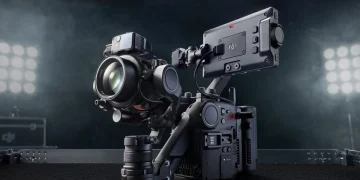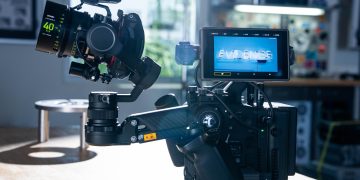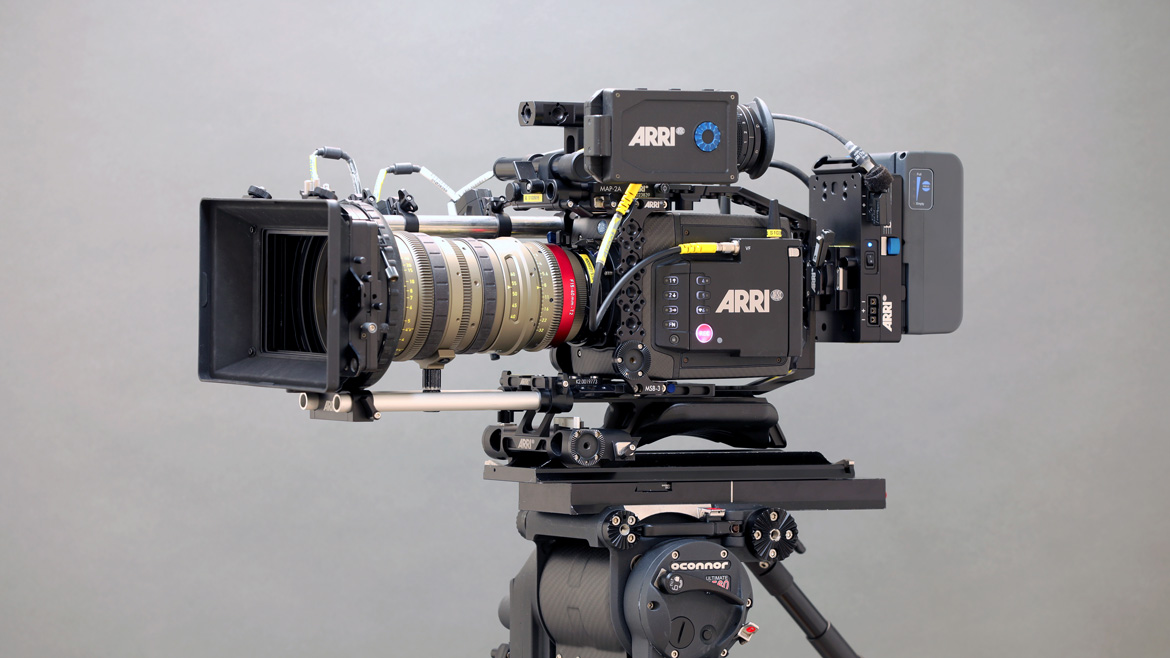
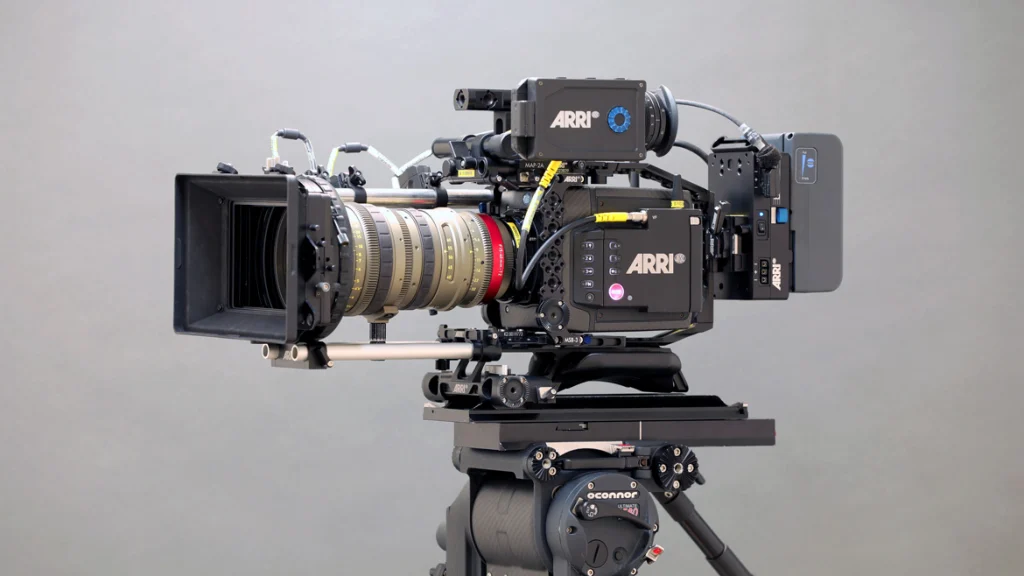
ARRI ALEXA Mini LF is a professional large-format digital cinema camera that combines the image quality of the ALEXA LF with the smaller body style that made the ALEXA Mini popular on film sets.
Released in 2019, the camera quickly became one of the most important tools in high-end cinematography. It gave filmmakers access to ARRI’s large-format look in a body that could work on handheld rigs, stabilizers, cranes, drones, car mounts and traditional studio setups.
The ALEXA Mini LF is not a beginner camera or a casual creator tool. It is built for professional productions that need high image quality, reliable colour, flexible recording formats and a compact camera body that can move easily through complex shooting environments.
Its 4.5K large-format sensor, ARRIRAW recording, ProRes options and familiar ARRI colour pipeline make it a strong choice for feature films, commercials, music videos, documentaries and prestige television.
Key Camera Specifications
The ARRI ALEXA Mini LF uses a large-format sensor measuring 36.70 x 25.54 mm. This gives the camera a wider image area than Super 35 and allows cinematographers to create a more immersive large-format look.
| Feature | ARRI ALEXA Mini LF |
|---|---|
| Camera type | Large-format digital cinema camera |
| Release period | 2019 |
| Sensor format | Large Format |
| Sensor size | 36.70 x 25.54 mm |
| Maximum resolution | 4.5K Open Gate, 4448 x 3096 |
| Base sensitivity | ISO 800 |
| Exposure index range | EI 160–3200 |
| Lens mount | LPL with LDS support, EF option depending on setup |
| Main recording formats | ARRIRAW and Apple ProRes |
| Colour workflow | Log C |
| Body weight | About 2,600 g |
| Dimensions | About 188 mm x 140 mm x 143 mm |
| Recording media | Codex Compact Drive |
The camera’s appeal comes from its balance. It is large-format, but still compact enough for demanding camera movement. It delivers ARRI image quality, but in a body that is easier to rig than the larger ALEXA LF.
Large-Format Sensor and Image Character
The ALEXA Mini LF uses the same large-format sensor size associated with the ALEXA LF system.
Its 36.70 x 25.54 mm sensor offers a larger image area than traditional Super 35 cameras. This gives cinematographers a wider field of view, smoother depth separation and a distinctive large-format perspective.
Large format is not only about resolution. It affects how lenses render faces, backgrounds and space. It can make images feel more open, immersive and cinematic, especially when paired with the right lenses.
Why Large Format Matters
Large-format cinematography gives filmmakers more control over perspective and depth.
A cinematographer can use wider lenses without making the image feel too distorted. This is useful for close-ups, interiors, landscapes and dramatic scenes where the director wants both intimacy and scale.
The ALEXA Mini LF helped make this look more practical because crews could use a smaller camera body instead of a larger studio-style system.
4.5K Open Gate Recording
The main recording mode on the ARRI ALEXA Mini LF is 4.5K LF 3:2 Open Gate.
This mode records 4448 x 3096 pixels and uses the full large-format sensor area. Open Gate is valuable because it gives productions maximum flexibility in framing, aspect-ratio choices and post-production.
Filmmakers can shoot Open Gate and later extract widescreen, 16:9, vertical or other delivery formats if the framing is planned properly.
| Recording Mode | Resolution | Aspect Ratio |
| 4.5K LF 3:2 Open Gate | 4448 x 3096 | 3:2 |
| 4.5K LF 2.39:1 | 4448 x 1856 | 2.39:1 |
| 3.8K LF 16:9 | 3840 x 2160 | 16:9 |
| 2.8K LF 1:1 | 2880 x 2880 | 1:1 |
| 3.4K S35 3:2 | 3424 x 2202 | 3:2 |
| 3.2K S35 16:9 | 3200 x 1800 | 16:9 |
| 2.8K S35 4:3 | 2880 x 2160 | 4:3 |
This range allows the camera to support large-format, anamorphic, Super 35 and specialty workflows.
Dynamic Range Performance
Dynamic range is one of the strongest reasons filmmakers choose ARRI cameras.
ARRI lists the ALEXA Mini LF with more than 14 stops of dynamic range across its sensitivity range. In independent CineD testing, the camera measured 13.5 stops at SNR=2 in Full Sensor ProRes 4444 XQ at ISO 800 and Log C.
CineD also measured 13.4 stops at SNR=2 in Full Sensor ARRIRAW at ISO 800 and Log C.
| Sensor Mode | Resolution | Codec | ISO | Gamma | Measured Dynamic Range |
| Full Sensor | 4480 x 2520 | ProRes 4444 XQ | 800 | Log C | 13.5 stops at SNR=2 |
| Full Sensor | 4480 x 2520 | ARRIRAW | 800 | Log C | 13.4 stops at SNR=2 |
These results show why the ALEXA Mini LF became a trusted camera for demanding lighting conditions. It handles highlights smoothly, preserves shadow detail well and gives colourists strong flexibility in post-production.
Why Dynamic Range Matters
Dynamic range affects how well a camera holds detail in bright and dark areas at the same time.
This matters in real production environments. Scenes with windows, skies, practical lamps, reflective surfaces, dark rooms or strong backlight can quickly challenge a camera.
The ALEXA Mini LF is valued because it produces images that feel natural and controlled, even in difficult lighting.
Rolling Shutter Performance
The ALEXA Mini LF also performs strongly in rolling-shutter testing.
CineD measured a rolling-shutter result of 7.4ms in LF Full Frame mode at 3840 x 2160 ARRIRAW. This is a strong result for a large-format cinema camera.
| Mode | Resolution | Codec | Rolling Shutter |
| LF Full Frame | 3840 x 2160 | ARRIRAW | 7.4ms |
Rolling shutter matters because it affects how the camera handles fast movement. Poor rolling-shutter performance can make vertical lines bend during quick pans or make moving objects look distorted.
The ALEXA Mini LF’s result makes it useful for handheld work, vehicle shots, action scenes, stabilizer movement and fast camera motion.
ARRIRAW and ProRes Recording
The ARRI ALEXA Mini LF records in ARRIRAW and Apple ProRes.
ARRIRAW gives productions maximum image flexibility in post-production. It is the best option when a project needs the highest level of grading control, visual effects work or long-term archival quality.
ProRes is more efficient and easier to manage. It is widely used in professional post-production and offers strong image quality with lower workflow pressure than RAW.
Choosing ARRIRAW or ProRes
ARRIRAW is best for feature films, visual effects work, premium commercials and projects where image flexibility matters most.
ProRes is often ideal for television, documentary, commercial, music video and fast-turnaround work where teams want ARRI quality with simpler file management.
The strength of the ALEXA Mini LF is that both options benefit from ARRI’s colour science and large-format sensor.
Recording Modes and Frame Rates
The ALEXA Mini LF supports several recording modes across ARRIRAW and ProRes.
In 4.5K LF 3:2 Open Gate, the camera can record up to 40fps. It also supports 30p, 25p and 24p in ARRIRAW and ProRes modes.
| Sensor Mode | Resolution | Codec Options | Frame Rates |
| 4.5K LF 3:2 Open Gate | 4448 x 3096 | ARRIRAW, ProRes | Up to 40p |
| 4.5K LF 2.39:1 | 4448 x 1856 | ARRIRAW, ProRes | Varies by mode |
| 3.8K LF 16:9 | 3840 x 2160 | ARRIRAW, ProRes | Varies by mode |
| 2.8K LF 1:1 | 2880 x 2880 | ARRIRAW, ProRes | Varies by mode |
| S35 modes | Various | ProRes and selected workflows | Varies by mode |
The camera is not designed as an extreme high-speed model. Its strength is image quality, compact large-format shooting and professional reliability.
For productions that need very high frame rates, a different ARRI model or dedicated high-speed camera may be a better choice.
Log C and ARRI Colour Science
The ALEXA Mini LF uses ARRI’s Log C workflow.
Log C gives colourists a flat, flexible image that can be shaped during grading. This allows productions to protect highlight detail, control contrast and create polished cinematic looks.
ARRI colour science is one of the main reasons the Mini LF became so popular. Its skin tones, highlight roll-off and colour separation are trusted by many cinematographers.
Why Colour Science Matters
Camera specifications are important, but colour science often decides whether images feel cinematic.
The ALEXA Mini LF is valued because its images are easy to grade and difficult to make look harsh. It gives filmmakers a smooth starting point, especially for human faces and natural light.
Lens Mount and Lens Coverage
The ARRI ALEXA Mini LF uses an LPL mount with LDS support.
The LPL mount was designed for large-format cinema lenses. It has a wider diameter and shorter flange depth than the older PL mount, making it better suited to modern large-format optics.
The camera can also support EF mount workflows depending on configuration.
Lens Coverage for Large Format
Lens coverage is very important with the ALEXA Mini LF.
Because the sensor is larger than Super 35, not every lens will cover the full Open Gate image area. Some lenses may vignette or show softness at the edges.
Cinematographers should test lenses before production, especially when shooting 4.5K Open Gate. Large-format lenses, ARRI Signature Primes and compatible full-frame cinema lenses are common choices.
Compact Body Design
One of the main reasons the ALEXA Mini LF became so successful is its body design.
At around 2.6 kg, it is lighter and more flexible than larger ARRI camera systems. Its compact dimensions make it practical for handheld work, stabilizers, cranes, drones, remote heads and car rigs.
This matters because modern productions often require quick movement and flexible setups. Directors and cinematographers want the image quality of a high-end cinema camera without a body that slows down the shoot.
Why the Mini LF Body Matters
The camera’s size allows crews to use large-format capture in places where a bigger camera would be difficult.
It can work in tight interiors, moving vehicles, handheld scenes and dynamic camera setups. This helped make large-format cinematography more accessible for a wider range of productions.
Best Uses for the ARRI ALEXA Mini LF
The ALEXA Mini LF is best suited for professional productions that need high-end image quality in a flexible body.
It is commonly used for feature films, commercials, music videos, premium documentaries, television dramas, streaming series and branded films.
It works especially well when productions need:
Large-format image character
ARRI colour science
Compact camera builds
ARRIRAW or ProRes workflows
Strong dynamic range
Reliable professional operation
Flexible lens options
High-quality handheld or gimbal work
It is not the cheapest camera to rent or operate, but it remains one of the most trusted cinema cameras in the industry.
ARRI ALEXA Mini LF vs ALEXA 35
The ALEXA Mini LF and ALEXA 35 serve different creative needs.
The Mini LF is a large-format camera with a 36.70 x 25.54 mm sensor. The ALEXA 35 is a newer Super 35 camera with a 4.6K sensor, LogC4 and higher claimed dynamic range.
| Feature | ALEXA Mini LF | ALEXA 35 |
| Sensor format | Large Format | Super 35 |
| Sensor size | 36.70 x 25.54 mm | 27.99 x 19.22 mm |
| Maximum Open Gate resolution | 4448 x 3096 | 4608 x 3164 |
| Colour workflow | Log C | LogC4 and REVEAL |
| Dynamic range | 14+ stops claimed by ARRI | 17 stops claimed by ARRI |
| Lens character | Large-format look | Super 35 flexibility |
| Best for | Large-format cinematography | Modern Super 35 production |
The better camera depends on the project. The ALEXA Mini LF is ideal when the large-format look is central to the visual style. The ALEXA 35 is stronger when maximum dynamic range and newer colour science are more important.
Key Takeaways
- ARRI ALEXA Mini LF is a compact large-format digital cinema camera.
- It was released in 2019.
- The sensor measures 36.70 x 25.54 mm.
- The maximum Open Gate resolution is 4448 x 3096.
- The camera records ARRIRAW and Apple ProRes.
- ARRI lists the camera with more than 14 stops of dynamic range.
- CineD measured 13.5 stops at SNR=2 in ProRes 4444 XQ.
- CineD measured 7.4ms rolling shutter in LF Full Frame ARRIRAW.
- The camera uses LPL mount with LDS support.
- The base sensitivity is ISO 800.
- The body weighs about 2.6 kg.
- It remains popular for feature films, commercials, music videos and streaming productions.
Frequently Asked Questions
What is the ARRI ALEXA Mini LF?
The ARRI ALEXA Mini LF is a professional large-format digital cinema camera that combines ALEXA LF image quality with a compact camera body.
When was the ARRI ALEXA Mini LF released?
The camera was released in 2019.
What sensor does the ALEXA Mini LF use?
It uses a large-format sensor measuring 36.70 x 25.54 mm.
What is the maximum resolution?
The maximum Open Gate resolution is 4448 x 3096.
What is the base ISO?
The base sensitivity is ISO 800.
What codecs does the camera support?
The ALEXA Mini LF supports ARRIRAW and Apple ProRes recording.
What dynamic range does the ALEXA Mini LF offer?
ARRI lists more than 14 stops of dynamic range, while CineD measured up to 13.5 stops at SNR=2.
What is the rolling-shutter performance?
CineD measured 7.4ms rolling shutter in LF Full Frame ARRIRAW mode.
What lens mount does the camera use?
The camera uses the LPL mount with LDS support and can support EF workflows depending on setup.
Is the ALEXA Mini LF full frame?
It is a large-format camera with a sensor slightly larger than traditional full-frame 35mm stills dimensions in height and designed for cinema workflows.
Is the ALEXA Mini LF good for handheld shooting?
Yes. Its compact body and relatively low weight make it popular for handheld, gimbal, drone, car-rig and remote-head work.
Who should use the ARRI ALEXA Mini LF?
It is best suited for professional cinematographers, rental houses, production companies and high-end film, commercial or streaming productions.
Conclusion
ARRI ALEXA Mini LF remains one of the most respected large-format cinema cameras in modern filmmaking.
It combines a 36.70 x 25.54 mm sensor, 4.5K Open Gate recording, ARRIRAW, ProRes, Log C, strong dynamic range and a compact body that can handle demanding production environments.
For filmmakers who want the ARRI large-format look without the size of a larger studio camera, the ALEXA Mini LF remains a powerful and practical choice. It is not built for casual users, but for professional productions it continues to offer a strong balance of image quality, mobility and proven reliability.
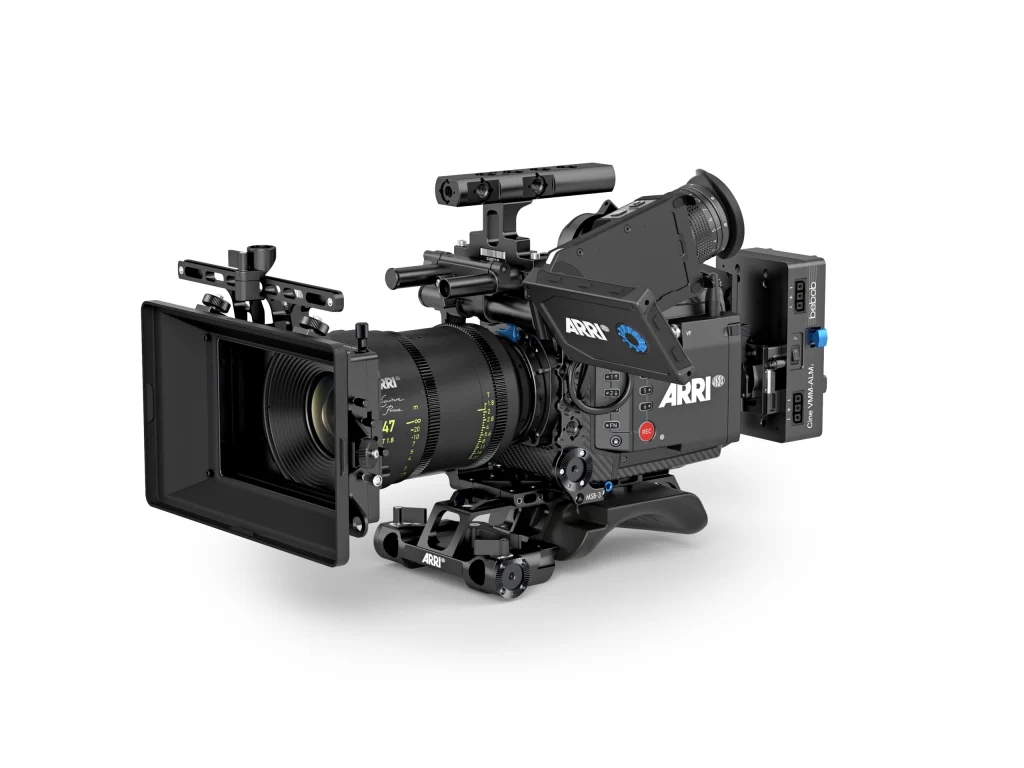
Read Also: ARRI ALEXA 35: Specs, Dynamic Range, Recording Modes and Features