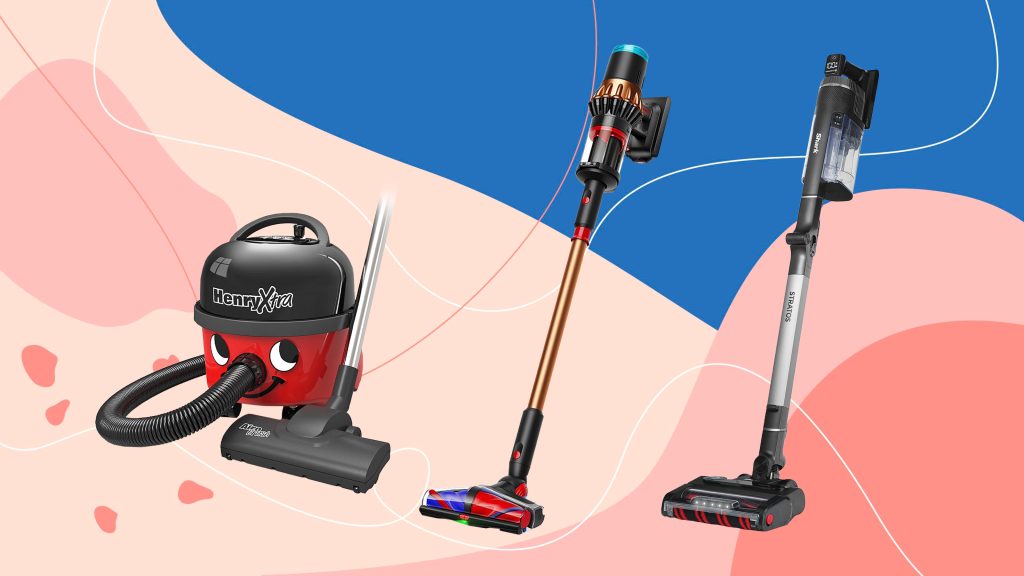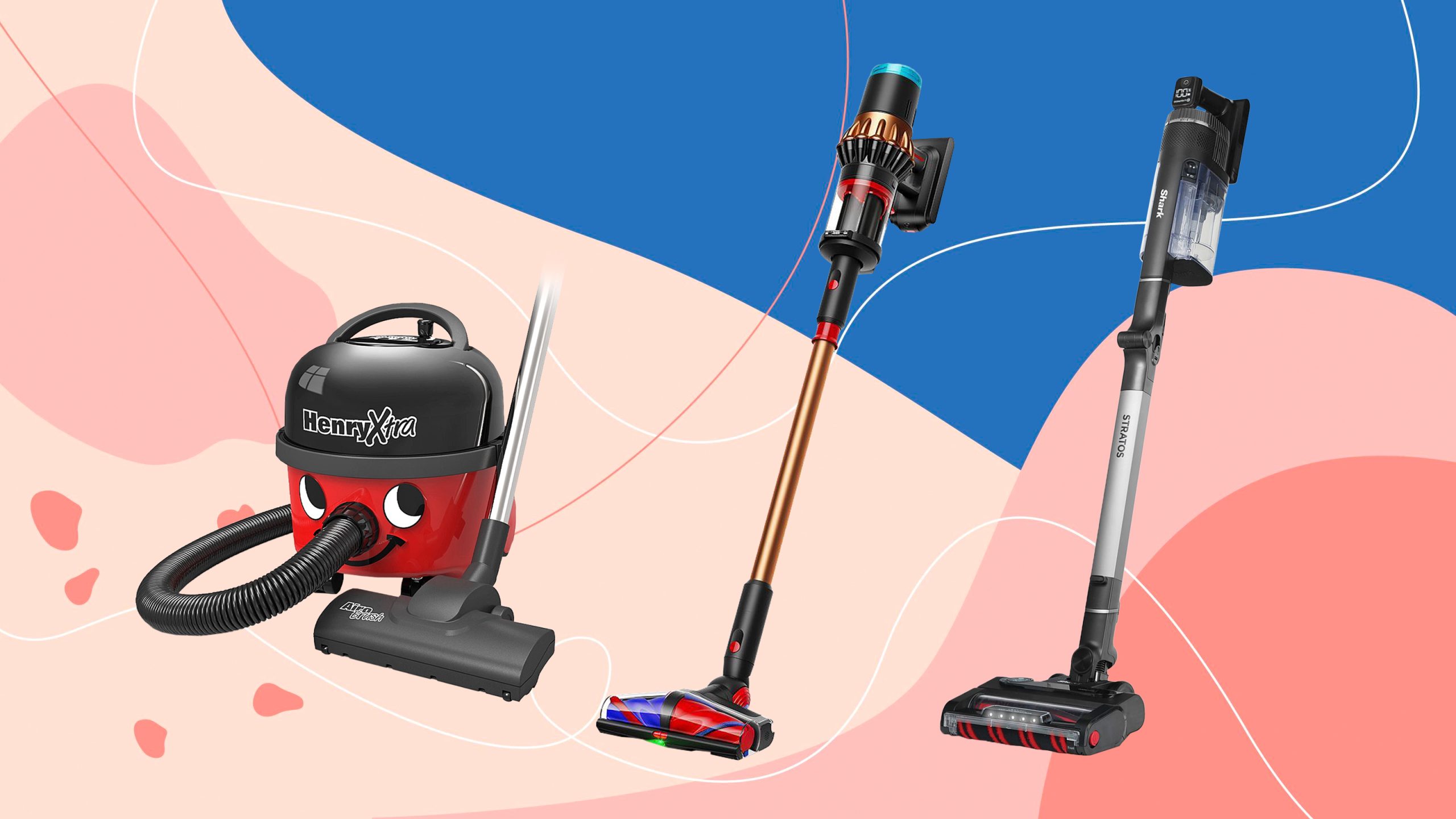
Vacuum cleaners are indispensable tools that make cleaning easier, but they come with certain risks. From electrical hazards and fire risks to potential damage to the appliance, knowing how to use your vacuum cleaner safely can prevent accidents and ensure its longevity. Here are 10 vacuum cleaner safety rules you must follow to protect yourself, your equipment, and your home.
1. Read the User Manual Before Use
Before operating your vacuum cleaner, always read the manufacturer’s manual to understand how to use it safely and efficiently. The user manual will include essential information about your vacuum’s features, maintenance instructions, and safety guidelines.
Key Points:
- Understand the operation, maintenance schedules, and any specific safety precautions.
- Troubleshoot minor issues without causing further damage.
2. Wear Proper Footwear While Vacuuming
Vacuuming barefoot or in socks increases the risk of slipping, exposing your feet to sharp objects. Always wear non-slip shoes or slippers to protect your feet and maintain stability while vacuuming.
Key Points:
- Avoid vacuuming barefoot or in socks to reduce slipping hazards.
- Wear non-slip shoes to protect your feet from sharp debris.
- Reduce the risk of static electricity shocks.
3. Use the Correct Power Cord and Plug
Using a damaged or incorrect power cord can lead to overheating or electrical hazards. Always ensure you are using the manufacturer-approved power cord and plug, and never modify the plug.
Key Points:
- Always use the manufacturer-approved power cord.
- Avoid using extension cords unless explicitly recommended.
- Replace damaged power cords immediately.
4. Keep the Power Cord Away from Hazards
Damaged or improperly handled power cords can cause electrical accidents. Be sure to handle the cord with care and keep it away from sharp objects, heat sources, or water.
Key Points:
- Do not drag or pull the vacuum by the cord.
- Keep the cord away from heat sources and sharp objects.
- Unplug the vacuum by holding the plug, not by pulling on the cord.
5. Avoid Vacuuming Large or Sharp Objects
Vacuum cleaners are designed to handle small debris and dirt. Vacuuming large or sharp objects, like glass shards or nails, can damage internal components, clog the machine, or cause injury.
Key Points:
- Inspect the area for large or sharp objects before vacuuming.
- Manually remove large debris to protect the vacuum.
- Ensure small objects do not clog the vacuum’s hose.
6. Do Not Vacuum Liquids Unless Using a Wet/Dry Vacuum
Standard vacuum cleaners are designed for dry debris only. Attempting to vacuum liquids with a regular vacuum can result in electrical hazards, motor damage, or mold buildup.
Key Points:
- Never vacuum liquids unless using a wet/dry vacuum.
- Avoid vacuuming moisture, which can cause electrical shorts.
- Use absorbent materials like towels for liquid spills.
7. Empty the Dustbin or Replace Bags Regularly
A full dustbin or vacuum bag reduces suction power and can strain the motor, leading to overheating. Always empty the dustbin or replace the bag regularly to maintain optimal performance.
Key Points:
- Empty the dustbin or replace the bag when it reaches 75% capacity.
- Avoid waiting too long to empty the vacuum to maintain airflow.
- Check the bag for damage before replacing it.
8. Do Not Vacuum Flammable Materials
Vacuum cleaners can create sparks due to their electrical components. Never vacuum flammable materials like gasoline, lighter fluid, or fine powders, as they could ignite.
Key Points:
- Never vacuum gasoline or other flammable substances.
- Avoid vacuuming fine powders that can ignite inside the vacuum.
- Follow your vacuum’s user manual for handling specific materials.
9. Store the Vacuum Cleaner Safely
Proper storage ensures the longevity and safety of your vacuum. Store it in a dry, cool place and avoid leaving it in damp areas where moisture could cause electrical malfunctions.
Key Points:
- Unplug the vacuum before storing it.
- Store the vacuum in a dry place to avoid moisture damage.
- Keep cords neatly wound to avoid tangling or damage.
10. Perform Regular Maintenance
Routine maintenance keeps your vacuum cleaner functioning efficiently. Clean or replace filters, remove debris from the brush roll, and inspect hoses regularly to prevent clogs.
Key Points:
- Clean or replace filters according to the manufacturer’s schedule.
- Remove tangled hair and debris from the brush roll.
- Inspect hoses for clogs and leaks regularly.
Conclusion
Vacuum cleaners are vital tools in keeping our homes clean, but they must be used carefully to avoid potential hazards. By following these 10 vacuum cleaner safety rules, you can reduce the risk of injury, fire, and damage to your appliance. Regular maintenance, proper handling, and adherence to safety precautions will ensure a long-lasting, efficient, and safe vacuuming experience.