The top waste management companies globally play a critical role in addressing the growing waste crisis caused by single-use products and mass manufacturing. As consumer waste continues to rise, large corporations and government entities are tasked with providing efficient waste and recycling solutions. While consumer participation is crucial, industrial-scale operations are needed to handle and recycle waste responsibly.
Among the leading firms, Veolia tops the list with a revenue of $29.88 billion. Founded in 1853 in France, Veolia now operates 2,573 subsidiaries in 48 countries, employing over 160,000 people. Its focus on environmental services, water management, and energy recovery has positioned it as a global leader in sustainable waste solutions.
Suez Environment, also from France, follows with $19.68 billion in revenue and 90,000 employees. Known primarily for water supply and sustainability initiatives, Suez has expanded into solid waste recycling and green growth development worldwide.
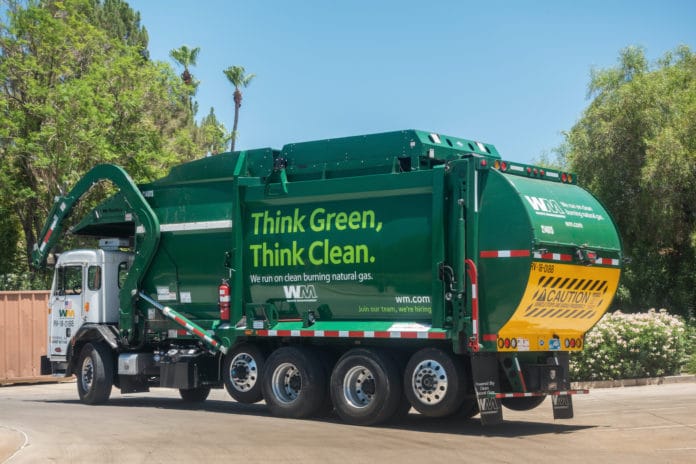
In the USA, Waste Management generates $15.218 billion, employing over 42,000 people. Established in 1893, it has grown from local waste hauling to managing millions of tonnes annually across North America. Novelis, a US-based company, focuses on aluminium recycling and is the world’s largest beverage can recycler, processing over 70 billion cans yearly, with revenue of $12.3 billion.
Republic Services, with $10.15 billion in revenue, operates 90 recycling centers and 195 active landfills in the United States. It has converted 75% of its routes to automated trucks, enhancing efficiency and reducing emissions. Germany’s Remondis, a family-owned multinational, generates $9 billion in revenue. With 30,000 employees across 900 sites, Remondis focuses on recycling steel, metals, glass, and e-waste while producing alternative energy sources.
In North America, Waste Connections manages $5.4 billion in revenue, providing collection, transfer, disposal, and recycling services. Despite recycling accounting for only 4% of its revenue, it remains one of the largest recycling operators in the region. Clean Harbors, with $3.14 billion in revenue, specializes in hazardous and non-hazardous waste, operating 400 locations and 50 waste facilities globally.
Australia’s Cleanaway, generating $2.2 billion, is the country’s largest recycling and industrial waste service provider. With more than 6,000 employees, Cleanaway operates over 260 sites and continues to expand through strategic partnerships and eco-focused technology upgrades. Finally, Covanta, founded in 1939 in the USA, earns $1.39 billion through energy-from-waste projects and operates 40 waste-to-energy plants globally, recycling over 550,000 tonnes of metal annually.
These top waste management companies illustrate the balance between industrial-scale operations and environmental responsibility. They provide solutions for recycling, waste-to-energy conversion, and sustainable resource management, highlighting the growing importance of corporate responsibility in addressing the global waste challenge.