The global power tool market is rapidly expanding, driven by increasing urbanization, a growing DIY culture, and the surge in home renovation trends. From 2017 to 2021, the market was projected to grow by over $7.44 billion. By the end of 2018, the market was valued at approximately $27 billion, and it is expected to reach $36 billion by 2025, reflecting a compound annual growth rate (CAGR) of 4.14%.
Here’s a look at the top ten power tool manufacturers globally, based on their 2018 revenue. These companies represent market leaders, known for their innovative products and substantial global influence.
10. Chervon
- Revenue: ~$1 billion
- Location: China
- Founded: 1993
- Employees: 1,001–5,000
Chervon has grown into a significant player in the global power tool market. Operating in over 65 countries, it manufactures tools under various brands like Devon, Flex, Skil, Ego, and Skilsaw, with production facilities in China and Germany.
9. Apex Tool Group
- Revenue: $1.4 billion
- Location: USA
- Founded: 2010
- Employees: 8,000
Apex Tool Group serves various sectors, including industrial, aerospace, construction, and DIY markets. Its portfolio includes leading brands like SATA, GearWrench, Weller, and Crescent. The company was formed through the merger of Cooper Tools and Danaher’s Tools and Components.
8. Koki Holdings (formerly Hitachi Power Tools)
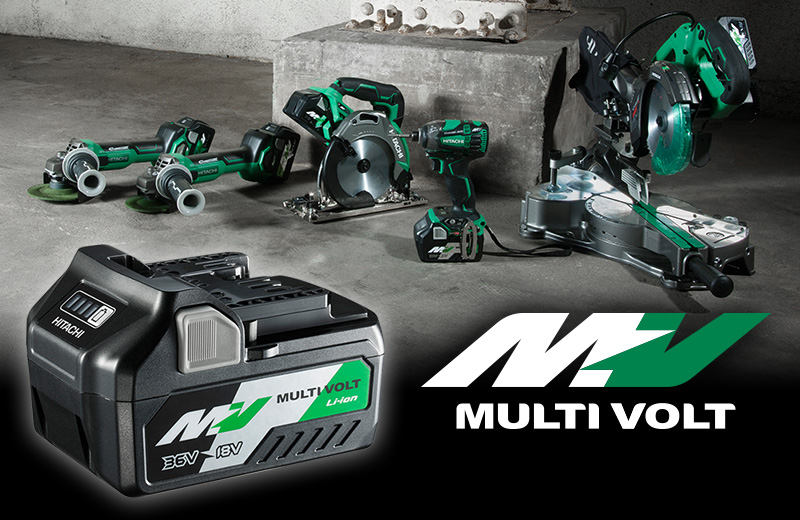
- Revenue: $1.8 billion
- Location: Japan
- Founded: 1948
- Employees: 6,446
Koki, known for its Metabo HPT brand in North America, specializes in cordless, pneumatic, woodworking, and metalworking tools. The company’s continuous innovation has made it a leading player in both professional and household power tools.
7. Stihl
- Revenue: $3.91 billion
- Location: Germany
- Founded: 1926
- Employees: 14,920
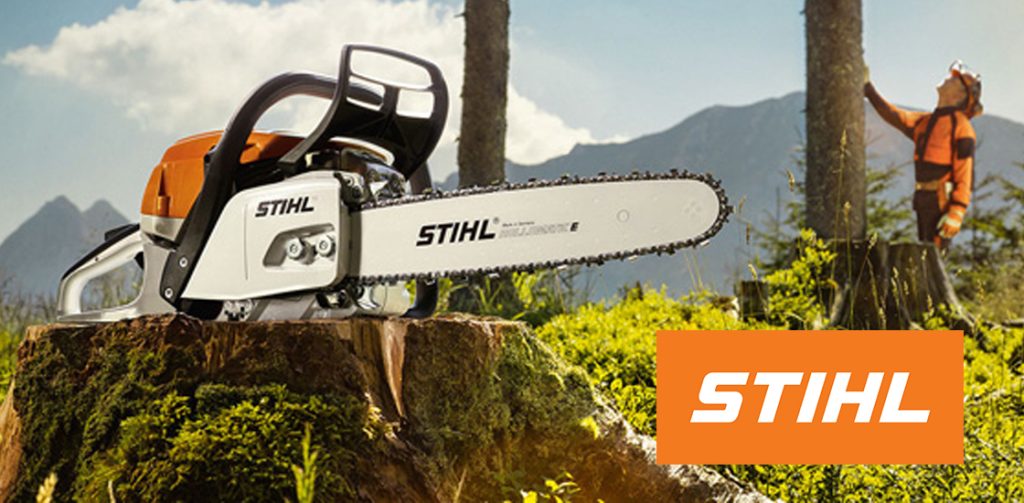
Best known for its chainsaws, Stihl also produces blowers, hedge trimmers, drills, and lawnmowers. The company operates a direct sales model, exclusively selling through independent servicing dealers to ensure premium customer service and maintenance.
6. Husqvarna
- Revenue: $4.32 billion
- Location: Sweden
- Founded: 1757
- Employees: 13,000
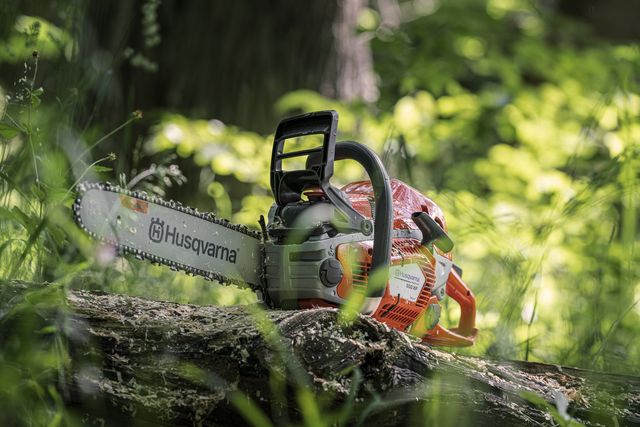
A leader in cutting equipment and outdoor tools, Husqvarna offers a wide range of products under its various divisions, including Gardenea and Construction. Its product line includes chainsaws, trimmers, mowers, and snow throwers.
5. Makita
- Revenue: $4.52 billion
- Location: Japan
- Founded: 1915
- Employees: 13,845
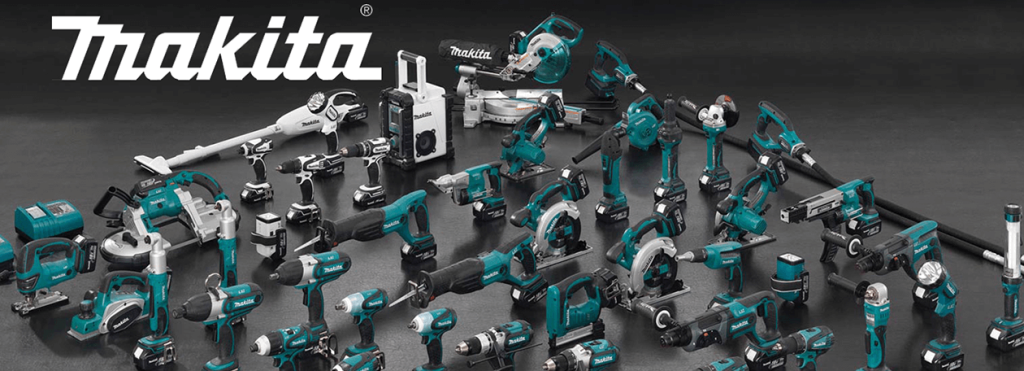
Makita pioneered the cordless power tool market with its first battery-powered drill in 1969. The company offers a wide variety of products, including impact wrenches, angle grinders, and rotary hammers, available in over 40 countries.
4. Techtronic Industries (TTI)

- Revenue: $7.02 billion
- Location: Hong Kong
- Founded: 1985
- Employees: 23,279
TTI owns several prominent brands, including Milwaukee, AEG, Ryobi, and Homelite. Specializing in power tools, outdoor equipment, hand tools, and floor care products, TTI recorded a remarkable 15.8% revenue growth in 2018.
3. Stanley Black & Decker
- Revenue: $13.98 billion
- Location: USA
- Founded: 1843
- Employees: 57,765
One of the oldest and largest tool companies, Stanley Black & Decker owns DeWalt, Craftsman, Stanley, and other iconic brands. With a vast product portfolio, the company sells an estimated 50 tools every second worldwide.
2. 3M

- Revenue: $32.77 billion
- Location: USA
- Founded: 1902
- Employees: 93,516
Although primarily known for its industrial products, 3M also manufactures metalworking power tools like die grinders and sanders. The company operates 80 manufacturing facilities in the US and 125 facilities globally.
1. Bosch

- Revenue: $88.8 billion
- Location: Germany
- Founded: 1886
- Employees: 410,000
Leading the power tool industry, Bosch offers a diverse product range, including hammer drills, cordless screwdrivers, lawnmowers, and pressure cleaners. Its consumer goods division represents 23% of the company’s total sales, supported by over 440 subsidiaries in 60 countries.
These top companies dominate the power tool industry through a combination of product innovation, global presence, and diversified product lines. As urbanization and DIY trends continue, these manufacturers play a key role in shaping both consumer and professional tool markets worldwide.