


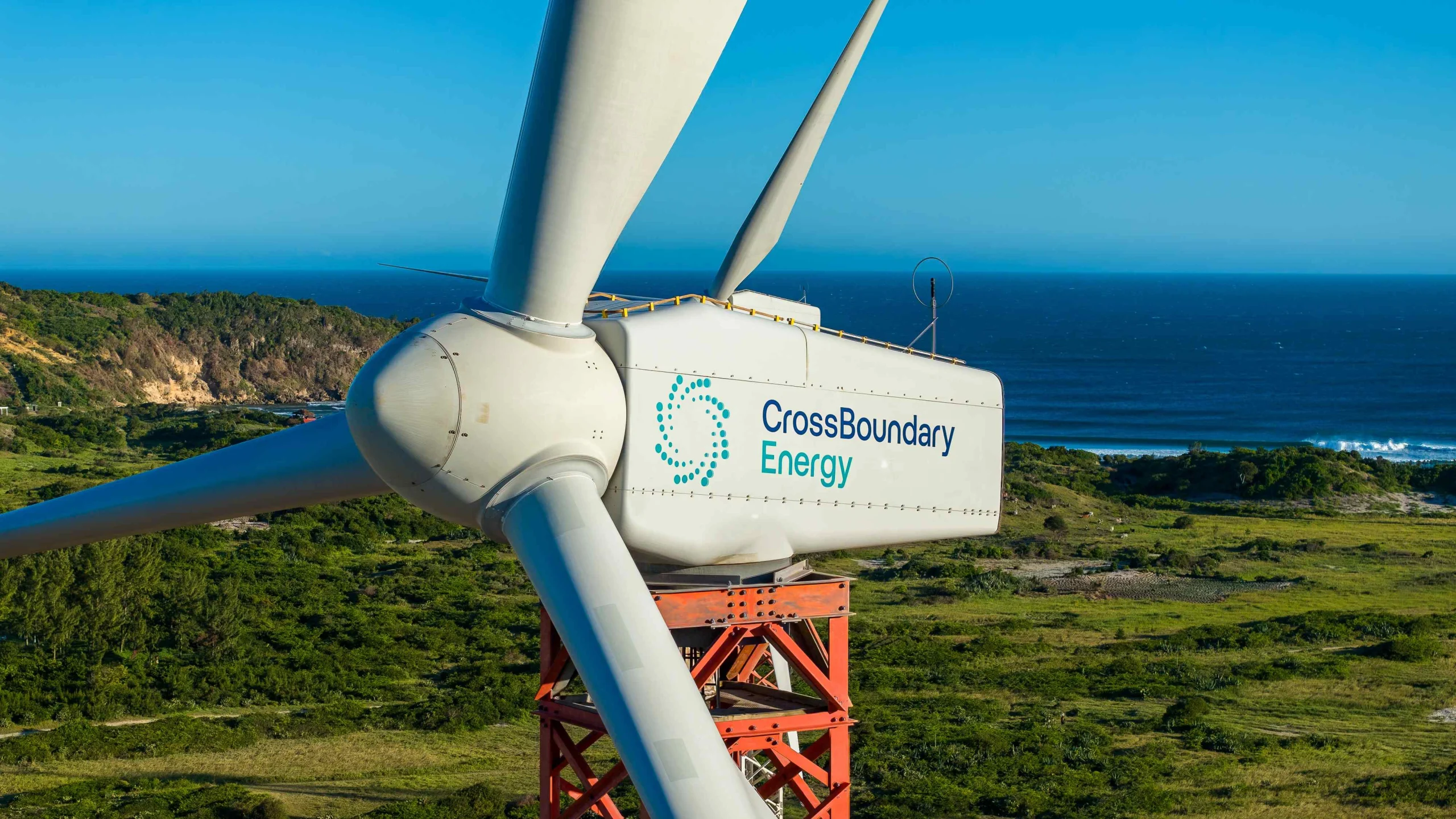
CrossBoundary Energy funding has become an important signal in Africa’s renewable energy market. The Nairobi-founded company has attracted about $285 million from institutional investors to support its model of reliable, affordable, and cleaner energy for businesses.
Founded in 2011, CrossBoundary Energy operates in energy, renewable energy, power generation, cleantech, and energy infrastructure. Its work sits at the intersection of private capital, commercial energy demand, and Africa’s need for dependable power.
The company’s funding history shows how investors are backing distributed renewable energy as a practical solution for African businesses. Instead of waiting for large grid upgrades alone, companies can use solar, battery storage, and hybrid energy systems to lower energy costs and improve reliability.
That makes CrossBoundary Energy more than a clean energy developer. It is part of a wider shift in African infrastructure finance, where private capital is helping businesses access power that is cleaner, more predictable, and better suited to industrial growth.
What Is CrossBoundary Energy?
CrossBoundary Energy is a clean energy company headquartered in Nairobi, Kenya. It develops customized renewable energy solutions for businesses, with a focus on reliable, affordable, and cleaner power.
The company serves commercial and industrial customers that need dependable electricity to run operations. These customers can include manufacturers, mining companies, telecom operators, logistics businesses, agricultural processors, and other energy-intensive firms.
Its model is built around solving a real business problem. Across many African markets, companies face high energy costs, unreliable grid supply, diesel dependence, and pressure to reduce emissions. CrossBoundary Energy offers an alternative by developing renewable power systems that can be tailored to each customer’s needs.
The company operates in several overlapping categories:
| Category | Relevance to CrossBoundary Energy |
|---|---|
| Energy | Core market for power supply and infrastructure. |
| Renewable Energy | Focus on cleaner energy sources such as solar and hybrid systems. |
| Power Generation | Development of electricity solutions for businesses. |
| Energy & Cleantech | Combination of infrastructure, climate finance, and technology. |
| Cleantech | Use of cleaner technologies to reduce emissions and improve efficiency. |
Why CrossBoundary Energy Funding Matters
CrossBoundary Energy funding matters because it shows rising investor confidence in Africa’s commercial and industrial renewable energy market. For years, African businesses have faced a difficult energy equation: power must be affordable, reliable, and scalable, but traditional grid supply and diesel generation often fail to meet all three needs at once.
Clean energy financing helps close that gap.
When institutional investors commit capital to companies like CrossBoundary Energy, they are not only backing one business. They are supporting a model that can finance, build, and operate energy assets for many customers.
This is especially important for commercial and industrial users. A factory cannot afford frequent power interruptions. A mine needs stable electricity to maintain production. A telecom network needs energy reliability across many sites. A food processor needs predictable power for machinery, cold storage, and safety standards.
CrossBoundary Energy funding supports that demand by helping the company build renewable power assets without forcing every customer to fund large projects upfront.
Full List of CrossBoundary Energy Funding Rounds
CrossBoundary Energy has raised about $285 million from three named investors across the available funding history. The funding mix includes private equity, debt, and senior debt financing.
| Investor | Announced Date | Amount | Funding Type | Strategic Value |
| Inspired Evolution | Apr 2026 | $40.0M | Private Equity | Supports renewable energy portfolio construction and expansion across commercial and industrial markets. |
| Emerging Africa & Asia Infrastructure Fund | Mar 2025 | $45.0M | Debt / Infrastructure Finance | Supports commercial and industrial renewable energy projects across Africa. |
| FMO | Not specified | $200.0M | Senior Debt / Development Finance | Provides large-scale financing capacity for renewable energy portfolio growth. |
The available funding record highlights three important themes. First, CrossBoundary Energy has attracted capital from investors focused on climate, infrastructure, and emerging markets. Second, the company has used debt and equity-style financing to support asset growth. Third, the funding is linked to real energy infrastructure rather than a purely software-led business model.
CrossBoundary Energy Funding Timeline
2011: Founded in Nairobi
CrossBoundary Energy was founded in 2011 in Nairobi, Kenya. Its founding location is significant because Nairobi has become one of Africa’s most important hubs for energy access, climate finance, development finance, and venture-backed infrastructure businesses.
The company entered a market where many businesses were searching for alternatives to expensive and unreliable power. That gave CrossBoundary Energy a clear business case from the beginning.
FMO: Major Development Finance Backing
FMO is listed as a major investor with $200 million in funding connected to CrossBoundary Energy. This level of funding reflects the importance of development finance in African energy infrastructure.
Development finance institutions often play a key role in markets where long-term capital is needed but commercial financing can be difficult to secure. For renewable power developers, this type of financing can support project construction, portfolio expansion, and customer deployment.
March 2025: EAAIF Provides $45 Million
In March 2025, the Emerging Africa & Asia Infrastructure Fund provided $45 million in funding to CrossBoundary Energy. This investment supported the company’s commercial and industrial renewable energy strategy.
The deal matters because infrastructure investors tend to focus on long-term assets with measurable impact. Their backing suggests confidence in the demand for cleaner power among African businesses.
April 2026: Inspired Evolution Commits $40 Million
In April 2026, Inspired Evolution committed $40 million to CrossBoundary Energy. The investment supports the construction and expansion of the company’s renewable energy portfolio.
This funding strengthened CrossBoundary Energy’s position at a time when demand for solar, battery storage, and hybrid energy systems was rising among commercial and industrial customers.
Biggest CrossBoundary Energy Funding Rounds
CrossBoundary Energy’s largest named funding commitments show how the company has relied on institutional capital to scale.
| Rank | Investor | Amount | Date | Strategic Area |
| 1 | FMO | $200.0M | Not specified | Renewable energy portfolio financing |
| 2 | Emerging Africa & Asia Infrastructure Fund | $45.0M | Mar 2025 | Commercial and industrial renewable energy |
| 3 | Inspired Evolution | $40.0M | Apr 2026 | Solar, storage, and hybrid project expansion |
The $200 million commitment linked to FMO is the largest named funding amount. It gives CrossBoundary Energy substantial financing capacity, which is important in a sector where projects require upfront capital before customers fully benefit from the energy produced.
The EAAIF and Inspired Evolution investments add further validation. Both are aligned with infrastructure, climate, and African growth themes.
Most Common Funding Categories
CrossBoundary Energy’s funding profile is not a typical venture capital story. It is closer to infrastructure finance, where capital is used to build productive assets.
| Funding Category | Role in the Business |
| Private Equity | Supports company and portfolio growth. |
| Senior Debt | Provides large-scale capital for renewable energy assets. |
| Infrastructure Finance | Helps fund long-term power projects. |
| Climate Finance | Supports decarbonization and clean energy deployment. |
| Development Finance | Helps unlock capital in emerging markets. |
This blend of funding is important because renewable energy developers need different types of capital at different stages. Equity can support growth and risk-taking. Debt can support project construction. Development finance can help attract additional private capital by reducing perceived risk.
Strategic Lessons From CrossBoundary Energy Funding
Energy-as-a-Service Can Reduce Customer Barriers
One of the strongest lessons from CrossBoundary Energy funding is the value of energy-as-a-service models. Many businesses want cleaner and cheaper power but do not want to own, finance, and operate energy infrastructure themselves.
A company like CrossBoundary Energy can develop and finance the system, while the customer benefits from a tailored power solution. This reduces upfront burden for the customer and creates a scalable model for the developer.
Africa’s C&I Energy Market Is Investable
Commercial and industrial energy demand is one of the most attractive segments in African renewable energy. Businesses need power every day. They understand the cost of outages. They also have a direct financial incentive to reduce energy expenses.
That makes the market easier to underwrite than purely speculative consumer demand. Investors can assess customer contracts, project economics, and energy savings.
Clean Energy Is Now a Competitiveness Issue
For African businesses, renewable energy is not only about sustainability. It is also about competitiveness. If a company can reduce diesel use, improve uptime, and stabilize energy costs, it can become more productive.
This is why CrossBoundary Energy’s model appeals to both climate-focused investors and commercial customers.
How CrossBoundary Energy Funding Fits Its Business Model
CrossBoundary Energy’s business model depends on matching capital with customer energy demand. The company needs financing to develop renewable energy systems, while customers need reliable power without necessarily funding large infrastructure projects upfront.
This creates a natural role for institutional investors.
The company can use capital to build solar, battery storage, and hybrid power systems. Customers can then benefit from cleaner electricity through long-term arrangements. Investors, in turn, gain exposure to infrastructure assets supported by business demand.
This model is especially relevant in Africa because many businesses operate in markets where grid reliability remains uneven. Renewable energy systems can reduce exposure to diesel prices, grid outages, and rising pressure to decarbonize supply chains.
Financial and Ownership Context
CrossBoundary Energy has raised about $285 million from three named investors in the available funding history. The company’s known backers include Inspired Evolution, the Emerging Africa & Asia Infrastructure Fund, and FMO.
The funding profile suggests a company built around infrastructure scale rather than short-term speculation. Unlike a pure technology startup, CrossBoundary Energy operates in a capital-intensive sector. Building power assets requires long-term financing, strong project execution, and customer contracts that can support repayment.
The presence of development and infrastructure-oriented investors also matters. These investors typically look for a combination of commercial viability and measurable impact. For CrossBoundary Energy, that impact includes cleaner power, lower emissions, improved business reliability, and stronger energy resilience.
Competitive Impact of CrossBoundary Energy Funding
CrossBoundary Energy funding improves the company’s competitive position in several ways.
First, it gives the company capital to build more projects. In renewable energy, access to financing is a major advantage because customers often choose providers that can deliver complete solutions.
Second, funding from recognized institutional investors improves credibility. Commercial and industrial customers need confidence that their energy partner can finance, build, and operate projects over many years.
Third, the company can compete more effectively in markets where energy demand is growing. Mining, manufacturing, telecoms, and agribusiness all require power solutions that are reliable and cost-efficient.
Finally, funding can help CrossBoundary Energy move faster than smaller developers with limited balance sheets. In infrastructure, speed matters because project pipelines can be won or lost based on financing certainty.
Advantages of the Funding Strategy
Stronger Project Execution Capacity
Large funding commitments help CrossBoundary Energy finance and build more renewable energy assets. This strengthens its ability to serve larger customers and expand across markets.
Lower Customer Upfront Costs
A funded energy developer can reduce the need for customers to pay for systems upfront. That makes renewable energy more accessible for businesses that want cleaner power but prefer not to own the infrastructure.
Better Investor Confidence
Backing from investors such as Inspired Evolution, EAAIF, and FMO supports market credibility. It signals that the company’s model has attracted serious institutional capital.
Alignment With Africa’s Energy Needs
The funding strategy supports a real market need. African businesses need reliable and affordable power, and renewable energy can help solve part of that problem.
Support for Decarbonization
The company’s projects can help reduce reliance on diesel and other higher-emission power sources. That matters for businesses facing environmental targets or supply chain pressure.
Disadvantages of the Funding Strategy
Capital-Intensive Growth
Renewable energy infrastructure requires large upfront investment. Even with strong demand, the company must continuously manage project financing, construction timelines, and asset performance.
Customer Concentration Risk
Large commercial and industrial projects may depend on a limited number of major customers. If one customer delays, cancels, or struggles financially, project economics can be affected.
Regulatory and Market Risk
Energy markets are shaped by regulation, tariffs, permits, grid rules, and local policy. Changes in these areas can affect project development and returns.
Currency and Country Risk
Operating across African markets can expose companies to currency volatility and country-specific risks. Financing may be in one currency while customer revenues or operating costs may be in another.
Execution Risk
Building energy projects requires technical, financial, and operational discipline. Delays in construction, equipment supply, or commissioning can affect performance.
Case Studies of Major CrossBoundary Energy Funding Rounds
FMO: Large-Scale Financing Support
The $200 million funding associated with FMO is the largest named amount in CrossBoundary Energy’s funding record. It reflects the type of long-term capital needed to scale renewable energy infrastructure.
For CrossBoundary Energy, this kind of financing can support portfolio growth across multiple projects. For customers, it can make clean power easier to access because project costs are financed through the developer rather than paid fully upfront by the business.
Emerging Africa & Asia Infrastructure Fund: Infrastructure Finance for C&I Energy
The $45 million funding from the Emerging Africa & Asia Infrastructure Fund highlights the infrastructure value of CrossBoundary Energy’s model. Commercial and industrial renewable energy projects are not small experiments. They are productive assets that can support business operations and reduce emissions.
EAAIF’s involvement also shows the importance of blended infrastructure capital in Africa. Such funding can help private developers expand in markets where energy demand is strong but financing remains a constraint.
Inspired Evolution: Private Equity for Clean Energy Growth
Inspired Evolution’s $40 million private equity investment supports CrossBoundary Energy’s next phase of expansion. Private equity capital can be useful when a company needs flexible growth funding to build projects, expand teams, and strengthen its market position.
This round also reflects growing investor interest in African renewable energy platforms that serve business customers directly.
Common Mistakes When Analyzing CrossBoundary Energy Funding
Treating It Like Ordinary Startup Funding
CrossBoundary Energy is not a simple software startup. Its funding supports physical energy infrastructure, project development, and long-term customer contracts. That makes the capital structure different from typical venture funding.
Ignoring the Customer Problem
The company’s value depends on solving a practical energy problem for businesses. Analysts should focus on reliability, affordability, and customer savings, not only on the amount raised.
Overlooking Debt Financing
Debt is central to infrastructure growth. A large debt facility can be just as important as equity because it funds real assets that generate long-term revenue.
Assuming Clean Energy Is Only About Climate
Climate impact matters, but business economics are equally important. Customers often adopt renewable energy because it can lower costs and improve power reliability.
Forgetting Execution Risk
Funding does not automatically create success. CrossBoundary Energy still needs to build projects, manage assets, serve customers, and navigate local market conditions.
Lessons for Business Owners and Investors
CrossBoundary Energy’s growth offers useful lessons for business owners, investors, and energy market observers.
First, solving a painful business problem attracts capital. Power reliability and energy cost are serious issues for African companies, and CrossBoundary Energy’s model directly targets that need.
Second, infrastructure businesses require patient capital. Renewable energy projects need upfront investment, but they can produce long-term value when backed by strong customers.
Third, blended finance can unlock growth. The company’s funding mix shows how private equity, debt, and development finance can work together.
Fourth, clean energy must be commercially practical. Businesses adopt renewable power when it improves operations, not only when it improves reputation.
Finally, Africa’s energy transition will not be driven by one solution alone. Grid expansion, distributed generation, storage, and private project finance will all play a role.
Key Takeaways
- CrossBoundary Energy is a Nairobi-founded clean energy company established in 2011.
- The company provides reliable, affordable, and cleaner energy solutions for businesses.
- CrossBoundary Energy funding totals about $285 million from three named investors.
- Its known investors include Inspired Evolution, EAAIF, and FMO.
- The company operates across energy, renewable energy, power generation, and cleantech.
- The largest named funding amount is $200 million associated with FMO.
- Inspired Evolution committed $40 million in April 2026.
- EAAIF provided $45 million in March 2025.
- The company’s model focuses on commercial and industrial renewable energy.
- Its strategy supports solar, storage, and hybrid energy systems.
- The funding reflects growing investor confidence in African clean energy infrastructure.
- Execution, regulation, currency exposure, and customer concentration remain important risks.
Frequently Asked Questions
What is CrossBoundary Energy?
CrossBoundary Energy is a clean energy company founded in Nairobi, Kenya, in 2011. It provides customized renewable energy solutions for businesses.
What does CrossBoundary Energy do?
The company develops reliable, affordable, and cleaner power solutions for commercial and industrial customers, including renewable energy and hybrid power systems.
How much funding has CrossBoundary Energy raised?
CrossBoundary Energy has raised about $285 million from three named investors in the available funding record.
Who has invested in CrossBoundary Energy?
Known investors include Inspired Evolution, the Emerging Africa & Asia Infrastructure Fund, and FMO.
What was CrossBoundary Energy’s latest listed funding round?
The latest listed round is a $40 million private equity investment from Inspired Evolution in April 2026.
What is the largest listed CrossBoundary Energy funding amount?
The largest listed funding amount is $200 million associated with FMO.
Why is CrossBoundary Energy funding important?
It shows institutional support for renewable energy infrastructure serving African businesses, especially commercial and industrial customers.
Which sector does CrossBoundary Energy operate in?
CrossBoundary Energy operates in energy, renewable energy, power generation, energy and cleantech, and clean technology.
Is CrossBoundary Energy based in Kenya?
Yes. CrossBoundary Energy is listed as being based in Nairobi, Kenya.
What risks does CrossBoundary Energy face?
The company faces capital intensity, project execution risk, regulatory risk, currency exposure, and customer concentration risk.
Conclusion
CrossBoundary Energy funding shows how private capital, development finance, and infrastructure investment are helping reshape Africa’s commercial energy market. Founded in Nairobi in 2011, the company has built its strategy around a clear business need: reliable, affordable, and cleaner power for companies that cannot afford energy disruption.
With about $285 million in named funding from Inspired Evolution, the Emerging Africa & Asia Infrastructure Fund, and FMO, CrossBoundary Energy has positioned itself as a serious player in African renewable energy infrastructure. Its funding profile reflects growing demand for solar, storage, and hybrid power systems that can support mining, manufacturing, telecoms, and other energy-intensive sectors.
The opportunity is significant, but so are the risks. Renewable energy infrastructure requires careful execution, strong customer contracts, regulatory awareness, and disciplined financing. Still, CrossBoundary Energy’s funding record shows why commercial and industrial clean energy has become one of the most important investment themes in Africa’s energy transition.
Disclaimer: This article is for informational and educational purposes only. It is not investment advice, financial advice, or a recommendation to buy or sell any security. Always conduct your own research and consider speaking with a qualified financial adviser before making investment decisions.
Read Also: L-3 Communications Acquisitions: How L-3 Built Its Business Through M&A


