The largest banks in the world reflect the shift in global economic power, with Asia—particularly China—now dominating. While the United States and the United Kingdom maintain strong banking presences based on tier 1 capital, China controls the top asset-bearing banks, showing the state’s influence in global finance. Changing consumer habits, digital banking growth, and international economic relations continue to reshape the banking landscape. Here are the top ten banks in the world by total assets.
10. Crédit Agricole – $1.92 trillion
Country: France | Founded: 1894 | Employees: 75,811
Crédit Agricole started as a bank to assist farmers, later expanding into corporate and retail banking. It went public in 2001, diversifying into investment services and acquisitions like Finaref. Headquarters: Montrouge, France.
9. Bank of America – $2.36 trillion
Country: USA | Founded: 1904 | Employees: 204,000
Formed through the 1998 merger of BankAmerica and NationsBank, Bank of America now serves nearly half of US households and Fortune 500 companies. It operates over 4,300 retail locations and 16,800 ATMs. Headquarters: Charlotte, North Carolina.
8. BNP Paribas – $2.44 trillion
Country: France | Founded: 1848 | Employees: 202,624
Europe’s second-largest bank, BNP Paribas was formed from a 2000 merger and operates in 72 countries. It offers retail, corporate, and investment banking services to over 60 million clients. Headquarters: Paris, France.
7. HSBC – $2.56 trillion
Country: United Kingdom | Founded: 1865 | Employees: 228,687
Originally established in Hong Kong to facilitate European-Asian trade, HSBC expanded globally through acquisitions like Marine Midland and Midland Bank. The bank serves over 40 million clients in 64 countries. Headquarters: London, UK.
6. JPMorgan Chase – $2.74 trillion
Country: USA | Founded: 1968 | Employees: 256,105
Created through mergers including J.P. Morgan & Company and Chase Manhattan Bank, JPMorgan Chase is the largest US bank. It offers retail, investment, and private banking across 100 markets. Headquarters: New York City, USA.
5. Mitsubishi UFJ Financial Group – $3.09 trillion
Country: Japan | Founded: 2001 | Employees: 117,321
Japan’s largest financial group, MUFG was formed from the Bank of Tokyo-Mitsubishi and UFJ Bank merger. The bank engages in retail, commercial, and investment banking, and maintains a strategic alliance with Morgan Stanley. Headquarters: Tokyo, Japan.
4. Bank of China – $3.16 trillion
Country: China | Founded: 1912 | Employees: 311,133
Bank of China is one of the country’s oldest banks, evolving from central and trade banking to a fully commercial bank. It operates in 57 countries, offering corporate, personal, investment, and insurance services. Headquarters: Beijing, China.
3. Agricultural Bank of China – $3.29 trillion
Country: China | Founded: 1951 | Employees: 473,691
Formerly the Agricultural Cooperative Bank, ABC provides retail and investment banking to over 320 million clients. Its $22.1 billion IPO in 2010 was one of the world’s largest. Headquarters: Beijing, China.
2. China Construction Bank Corporation – $3.38 trillion
Country: China | Founded: 1954 | Employees: 352,621
Originally a government fund manager for infrastructure, CCB now offers full-service commercial banking through over 13,600 domestic branches and several international offices. Headquarters: Beijing, China.
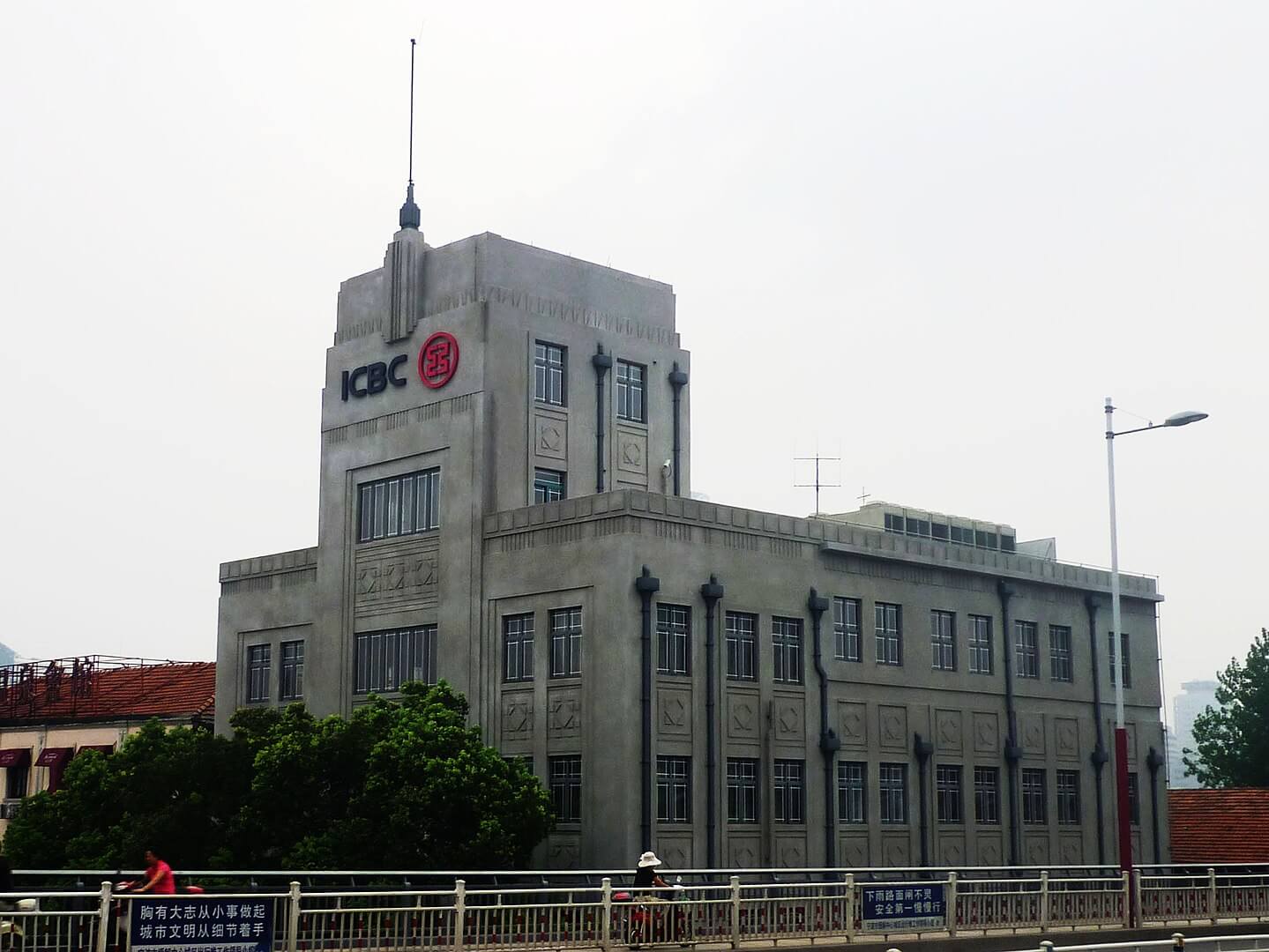
1. Industrial and Commercial Bank of China (ICBC) – $4.03 trillion
Country: China | Founded: 1984 | Employees: 449,296
ICBC is the world’s largest bank by assets, serving over 530 million personal clients and nearly 5.8 million corporate customers. It conducted the world’s largest IPO in 2006, raising $21.9 billion. Headquarters: Beijing, China.
China’s dominance in the largest banks in the world list highlights its growing economic influence. Meanwhile, US and European banks remain critical players in global finance. This evolving landscape underscores the importance of strategic adaptation, digital innovation, and international expansion in banking today.