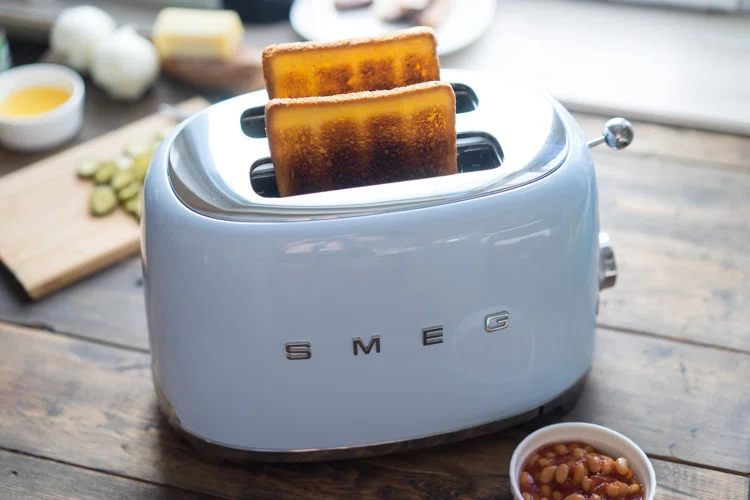
Toasters are a kitchen staple, providing a quick and convenient way to prepare breakfast or snacks. However, despite their simplicity, improper use or neglect can turn toasters into serious fire and electrical hazards. From accumulated crumbs catching fire to electrical malfunctions leading to shocks or overheating, toasters can pose risks if not used safely. This guide highlights common toaster hazards and presents 10 essential toaster safety tips every homeowner should follow to ensure safe and efficient use.
Toaster Safety Hazards
Toasters are common kitchen appliances, but improper use can lead to significant safety hazards. Here are some common toaster safety hazards to be aware of:
- Fire Hazards: Crumbs accumulated in the toaster can ignite when they come into contact with the heating elements. Also, placing flammable materials near the toaster or using it in poorly ventilated areas can increase fire risks.
- Electrical Shock: Inserting metal objects into the toaster can result in an electric shock. Damaged cords or plugs can also pose electrical hazards.
- Burns: Touching hot surfaces or retrieving stuck items without proper tools can lead to burns.
- Overheating: Running the toaster for extended periods or using it in poorly ventilated areas can cause overheating, which may lead to fires.
- Mechanical Failures: Worn-out components can malfunction and keep the toaster running, increasing the risk of overheating and fires.
10 Toaster Safety Rules To Follow When Using
Ironing is a simple task, but it’s important to follow these guidelines to ensure safe operation and prevent accidents.
1. Unplug When Not in Use
To prevent accidental fires, always unplug your toaster after each use. Leaving it plugged in can lead to electrical malfunctions or overheating. Unplugging it not only enhances safety but also helps conserve energy.
2. Clean Your Toaster Regularly
Crumbs and grease can accumulate inside the toaster, which can ignite and cause fires. Regular cleaning helps maintain its performance and prevent fire hazards. Always unplug the toaster before cleaning it.
- Empty the crumb tray after each use.
- Use a soft-bristled brush to clean the interior.
- Wipe down the exterior with a damp cloth.
- Never submerge the toaster in water.
3. Place Your Toaster on a Heat-Resistant, Stable Surface
Ensure that your toaster is placed on a stable, heat-resistant surface to avoid fire hazards. Do not place the toaster near flammable materials or inside a cabinet while in use. Always ensure the area is well-ventilated.
4. Never Leave Your Toaster Unattended
Toasters should never be left running without supervision. If there’s a malfunction or the bread gets stuck, it could overheat or catch fire. Always stay nearby to respond quickly if needed.
- If the toaster starts smoking, unplug it immediately.
- Let it cool before inspecting it.
5. Avoid Using Metal Utensils
Never use metal utensils to remove stuck bread or food from the toaster. Metal can conduct electricity, leading to electrical shocks or damage to the toaster’s heating elements.
- Use wooden or silicone tongs to retrieve stuck items.
- Never insert any metal objects into a live toaster.
6. Do Not Overload or Overfill the Toaster
Overloading the toaster can cause uneven toasting, overheating, or fires. Only insert items that fit comfortably, and avoid cramming oversized food like thick bread or pastries.
- Toast one slice of bread at a time if needed.
- Avoid toasting jam-filled items or greasy foods that can cause spills.
7. Keep Your Toaster Away from Water
Water and electricity do not mix. Always place your toaster at least 1.5 meters away from sinks or water sources to avoid electrocution.
- Never clean the toaster while it’s plugged in.
- Ensure your hands are dry before handling the appliance.
8. Inspect Your Toaster Regularly for Damage
Toasters with damaged components are a serious hazard. Inspect the appliance for any frayed cords, loose knobs, or scorch marks. If you notice any signs of wear, discontinue use and replace the toaster.
- Check for frayed or exposed power cords.
- Look for burn marks or electrical failure signs.
- If the toaster is malfunctioning, replace it.
9. Have a Fire Safety Plan
Accidents can still happen despite precautions. Always have a fire safety plan in place to handle toaster-related emergencies. Keep fire safety equipment like a Class ABC fire extinguisher and fire blankets nearby.
- Never use water to extinguish an electrical fire.
- Use a fire blanket or extinguisher if the toaster catches fire.
- Install smoke detectors in your kitchen for added safety.
10. Replace Old or Faulty Toasters
Toasters typically last 6 to 8 years, depending on how frequently they’re used. Replace old or malfunctioning toasters to avoid fire hazards.
- If the toaster is overheating or malfunctioning, replace it.
- Look for models with automatic shutoff and cool-touch exteriors.
Conclusion
Toasters are convenient kitchen appliances, but their improper use can lead to serious hazards such as electrical shocks, fires, and burns. By following these 10 toaster safety rules, you can significantly reduce the risks associated with using this common appliance. Always unplug the toaster when not in use, clean it regularly, and ensure it’s placed in a safe environment. If the toaster shows signs of wear or malfunction, replace it immediately to prevent accidents. A proactive approach to toaster safety will keep your home and family safe while enjoying the convenience of this essential kitchen tool.