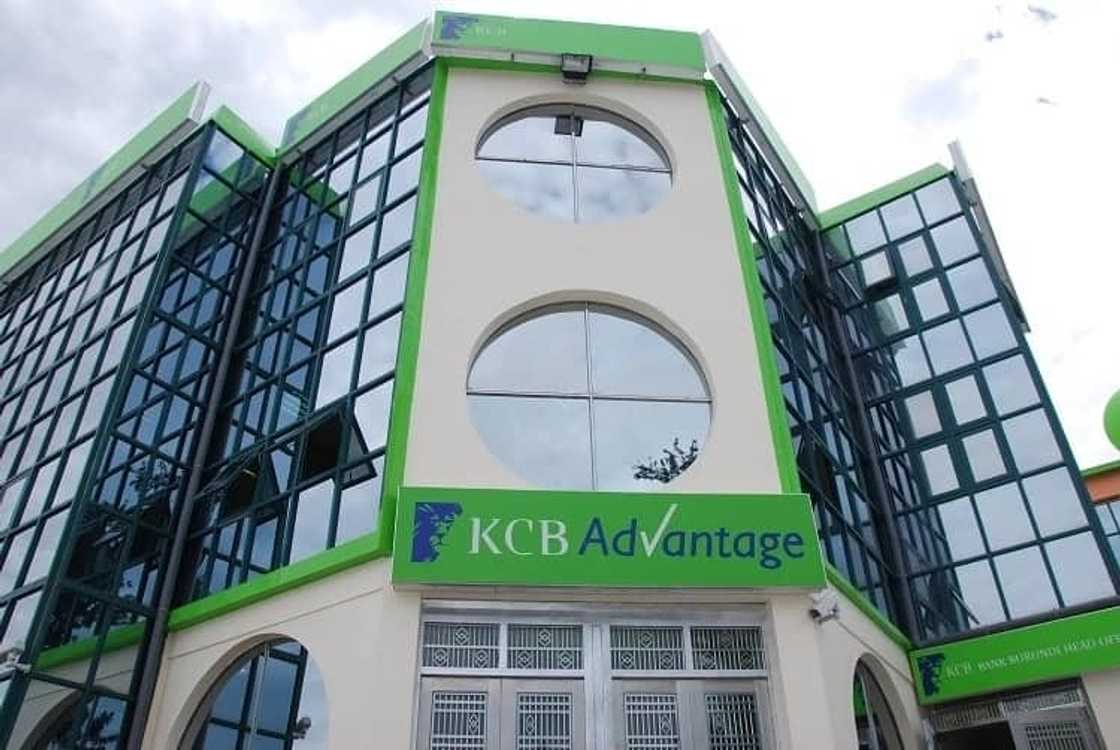
KCB Bank funding highlights the role of one of Kenya’s most important financial institutions in expanding banking, mobile finance, climate lending and small business credit. KCB Bank Kenya Limited is part of KCB Group, a major East African financial services group headquartered in Nairobi.
The bank operates across finance, banking, fintech, mobile banking, digital savings, mobile lending, account opening and mobile money integration. Its customer proposition is built around long-term financial partnership, with products that serve individuals, businesses, institutions and digital-first customers.
The most important recent funding event in the supplied profile is the $100 million facility from British International Investment. Public information describes this as a Tier 2 capital facility designed to increase KCB Bank Kenya’s lending capacity for climate-related projects and women-led small and medium-sized enterprises.
That funding matters because banking growth depends on capital. A bank with a stronger capital base can support more lending, absorb risk more comfortably and finance strategic sectors such as renewable energy, green mobility, sustainable agriculture and women-owned businesses.
What Is KCB Bank Kenya Limited?
KCB Bank Kenya Limited is one of Kenya’s largest banking institutions and a key subsidiary of KCB Group. It provides banking services to retail customers, SMEs, corporates, public institutions and digital banking users.
KCB’s wider group operates across several African markets. Reuters reported that KCB Group operates in countries including the Democratic Republic of Congo, Tanzania, Rwanda, South Sudan, Uganda and Burundi, with subsidiaries outside Kenya contributing 31% of group pre-tax profit in 2025.
KCB Bank Kenya’s business model spans traditional and digital banking. Its product ecosystem includes accounts, loans, savings, mobile banking, mobile money integrations, corporate banking, SME finance, trade finance and digital lending.
One of its most visible digital products is KCB M-PESA, a mobile banking and lending product connected to Kenya’s mobile money ecosystem. KCB’s product page describes KCB M-PESA savings options such as Fixed Savings and Target Savings accounts, with savings periods of one to 12 months.
| Sector | Why It Matters to KCB Bank Kenya |
|---|---|
| Finance | KCB provides credit, deposits, payments and financial services. |
| Banking | Traditional banking remains the core business. |
| FinTech | Digital channels and mobile products support customer growth. |
| Mobile Banking | Products such as KCB M-PESA bring banking to phone users. |
| SME Finance | Small businesses are a major lending and growth segment. |
| Climate Finance | Green lending is a growing priority supported by institutional capital. |
KCB’s strategic importance comes from scale. It is not only a bank for individual customers. It is also a regional financial platform that can influence credit flows, business growth and digital finance adoption.
Why KCB Bank Funding Matters
KCB Bank funding matters because banks need capital to lend. The $100 million Tier 2 facility from British International Investment strengthens KCB Bank Kenya’s capital base and supports lending to priority sectors.
BII said the facility is intended to increase lending capacity for climate-related projects and women-led SMEs. The climate focus includes companies working in areas such as renewable energy, green mobility and sustainable agricultural value chains.
This matters for Kenya’s economy because businesses often need credit to grow. Climate-focused companies need financing for equipment, technology, working capital and expansion. Women-led SMEs often face barriers in accessing formal credit. A facility targeted toward these segments can help close part of that financing gap.
Funding also matters because KCB operates in a competitive banking market. Kenyan banks face pressure from mobile money platforms, digital lenders, fintech startups, SACCOs and regional banking rivals. A stronger capital base allows KCB to defend its market position while investing in digital products and strategic lending.
Full List of KCB Bank Kenya Funding and Investor Activity
The supplied funding profile lists over $100 million in funding from two investors, with British International Investment disclosed at $100 million. Public sources clearly identify the BII facility as a $100 million Tier 2 capital facility.
| Investor / Funding Partner | Announced Date | Amount | Main Category | Strategic Value |
| British International Investment | Feb 2025 | $100M | Tier 2 Capital Facility | Supports climate-related lending and women-led SME finance. |
| Other investor listed in profile | Not specified | Undisclosed | Investor / Funding Partner | Additional funding participation not detailed in supplied information. |
| IFC, BIO, SANAD and Symbiotics | Mar 2021 | Up to $150M | Loan Facility | Supported eligible projects, businesses, working capital and SME segments during the post-COVID period. |
| IFC | Mar 2021 | $101.75M of facility | Development Finance | Supported KCB’s capital base and eligible lending. |
| BIO | Mar 2021 | $22M of facility | Development Finance | Supported SME and business financing. |
| SANAD | Mar 2021 | $15M of facility | Development Finance | Supported inclusive lending and business finance. |
| Symbiotics | Mar 2021 | $11.25M of facility | Impact / Private Debt | Supported credit expansion and SME finance. |
The 2021 loan facility is useful context because it shows that KCB has previously attracted institutional financing to strengthen its capital base and support lending to businesses. That facility included IFC, BIO, SANAD and Symbiotics, with IFC contributing $101.75 million.
KCB Bank Funding Timeline
2015: KCB M-PESA Strengthens Mobile Banking
KCB M-PESA became one of the bank’s most important digital products by connecting KCB’s banking capabilities with Kenya’s mobile money ecosystem. The product supports mobile lending and digital savings, including Fixed Savings and Target Savings accounts.
This product matters because mobile banking has changed Kenya’s financial services market. Customers no longer need to rely only on branches to save, borrow or access basic banking services.
2021: Institutional Loan Facility Supports Business Lending
In March 2021, IFC, BIO, SANAD and Symbiotics announced a loan of up to $150 million to KCB Bank Kenya. The facility was designed to strengthen KCB’s capital base and finance eligible projects and businesses, including enterprises facing COVID-related challenges and firms needing working capital or expansion finance.
This was an important funding milestone because it linked institutional capital to private-sector recovery and SME finance.
2025: $100 Million Tier 2 Capital From BII
In 2025, British International Investment announced a $100 million Tier 2 capital facility for KCB Bank Kenya. The facility was designed to support climate-related projects and women-led SMEs.
Tier 2 capital is important for banks because it strengthens regulatory capital and can support additional lending capacity. For KCB, this facility supports both financial growth and development impact.
2025: Strong Group Profit Performance
KCB Group reported strong 2025 results, with Reuters reporting an 11% rise in pre-tax profit to KES 90.9 billion. The group also reported total assets of KES 2.15 trillion and net interest income of KES 148.0 billion.
This performance context matters because institutional funding is more meaningful when paired with a large, profitable banking platform that can deploy capital at scale.
Biggest KCB Bank Funding Rounds by Deal Value
KCB Bank Kenya’s largest recent institutional facilities show the role of development finance and impact capital in supporting Kenyan banking growth.
| Rank | Funding Event | Announced Date | Deal Value | Strategic Area |
| 1 | IFC, BIO, SANAD and Symbiotics loan facility | Mar 2021 | Up to $150M | Eligible projects, SME finance, working capital and business recovery |
| 2 | BII Tier 2 capital facility | Feb 2025 | $100M | Climate finance and women-led SME lending |
| 3 | IFC portion of 2021 facility | Mar 2021 | $101.75M | Capital base and business finance |
| 4 | BIO portion of 2021 facility | Mar 2021 | $22M | Business and SME finance |
| 5 | SANAD portion of 2021 facility | Mar 2021 | $15M | Inclusive finance and enterprise lending |
| 6 | Symbiotics portion of 2021 facility | Mar 2021 | $11.25M | Impact-linked credit support |
The BII facility is especially strategic because it is targeted toward climate and women-led SME finance. It therefore supports KCB’s growth while also aligning with development finance priorities.
Most Common Funding Categories
KCB’s funding profile reflects the structure of a major bank rather than a venture-backed startup.
| Funding Category | Examples | Strategic Role |
| Tier 2 Capital | British International Investment | Strengthens regulatory capital and lending capacity. |
| Development Finance Loans | IFC, BIO, SANAD | Supports private-sector lending and inclusive finance. |
| Impact Private Debt | Symbiotics | Supports business finance and development outcomes. |
| Climate Finance | BII facility | Supports renewable energy, green mobility and sustainable value chains. |
| SME Finance | BII and 2021 institutional facility | Supports small business lending and working capital. |
| Digital Finance | KCB M-PESA and mobile products | Supports access through mobile banking and mobile money integration. |
This funding mix suits KCB’s role as a large financial institution. Its funding is not mainly about product experimentation. It is about capital strength, lending capacity and strategic sector support.
Strategic Lessons From KCB Bank Funding
Capital Is the Engine of Banking Growth
KCB Bank funding shows that even large banks need external capital to support growth. Tier 2 capital strengthens the balance sheet and helps banks expand lending while managing regulatory requirements.
Climate Finance Is Moving Into Mainstream Banking
The BII facility shows that climate finance is no longer a niche investment theme. Banks are becoming key channels for climate-related lending, especially in renewable energy, green mobility and sustainable agriculture.
Women-Led SMEs Are a Strategic Lending Segment
Women-led businesses often face financing barriers. Targeted facilities can help banks expand credit to these customers while improving inclusion and economic participation.
Digital Banking Expands Reach
KCB M-PESA shows how digital products can bring savings and lending to mobile users. This is important in a market where many customers interact with financial services through phones.
How KCB Bank Funding Fits Its Business Model
KCB Bank Kenya’s business model depends on collecting deposits, extending credit, processing payments, managing risk and offering financial products through branches, agents and digital channels.
Funding supports this model in several ways.
First, Tier 2 capital strengthens the bank’s capital base. This allows KCB to expand lending while maintaining regulatory comfort.
Second, development finance facilities support targeted lending. Institutional lenders often provide capital for specific purposes such as SME finance, climate projects or women-led businesses.
Third, funding supports customer expansion. More lending capacity allows KCB to serve businesses that need working capital, equipment finance, trade finance and growth capital.
Fourth, capital supports strategic transformation. As banking becomes more digital, KCB must keep investing in technology, cybersecurity, mobile platforms and data systems.
Finally, funding helps KCB maintain competitiveness. Banks with stronger capital and digital products are better positioned against fintechs and mobile-first competitors.
Financial and Ownership Context
KCB Bank Kenya is part of KCB Group, one of East Africa’s largest banking groups. KCB Group’s 2025 results show the scale of the institution. Reuters reported that KCB Group’s pre-tax profit rose to KES 90.9 billion in 2025, while total assets grew to KES 2.15 trillion.
This financial scale matters because KCB can deploy institutional capital across a large customer base. A $100 million facility can support meaningful lending when managed through a bank with existing branch networks, digital channels, credit teams and customer relationships.
However, KCB also operates in a risk-sensitive sector. Reuters reported that loan impairments increased to KES 32.4 billion in 2025 from KES 30 billion a year earlier.
That highlights the balance every bank must manage: growth must be paired with credit discipline.
Competitive Impact of KCB Bank Funding
KCB Bank funding improves the bank’s competitive position in several ways.
First, the BII facility strengthens KCB’s capital base. This supports lending growth and improves the bank’s ability to serve climate and women-led enterprise segments.
Second, the facility helps KCB compete in sustainability-linked banking. As more customers and investors focus on climate finance, banks with targeted funding can build stronger green lending portfolios.
Third, digital products such as KCB M-PESA support competition against mobile-first lenders and fintechs. KCB M-PESA allows users to save and access mobile-linked financial services through the M-PESA ecosystem.
Fourth, KCB’s regional scale gives it a broader platform than single-market competitors. Its group operations across multiple African countries help diversify earnings and expand customer reach.
Finally, institutional backing from BII improves credibility with development partners, regulators and customers in targeted lending sectors.
Advantages of the Funding Strategy
Stronger Capital Base
The $100 million Tier 2 capital facility strengthens KCB’s ability to support new lending while maintaining regulatory capital strength.
Targeted Climate Lending
The facility supports lending to climate-related projects, including renewable energy, green mobility and sustainable agriculture value chains.
Support for Women-Led SMEs
The BII facility is designed to increase lending to women-led SMEs, especially businesses that may face access barriers.
Digital Banking Synergy
KCB can combine institutional capital with digital channels such as KCB M-PESA to reach more customers efficiently.
Regional Scale
KCB Group’s regional presence gives the bank a larger platform for growth, risk diversification and cross-border banking.
Disadvantages of the Funding Strategy
Credit Risk
More lending creates more credit exposure. Climate projects and SME loans must be underwritten carefully.
Currency Risk
Dollar-denominated facilities can create foreign exchange considerations if not properly managed against local-currency lending.
Regulatory Pressure
Banks must meet capital, liquidity, consumer protection and prudential requirements. New lending must fit regulatory expectations.
Execution Risk
Targeted lending requires strong product design, credit screening, monitoring and reporting.
Competition
KCB competes with major banks, mobile money platforms, fintech lenders, SACCOs and digital credit providers.
Case Studies of Major KCB Bank Funding Events
$100 Million BII Tier 2 Capital Facility
The BII facility is KCB Bank Kenya’s most important recent funding event. It provides $100 million in Tier 2 capital to support lending to climate-related projects and women-led SMEs.
This facility strengthens KCB’s capital base and aligns the bank with development finance priorities around climate action and gender inclusion.
2021 IFC-Led Loan Facility
The 2021 facility of up to $150 million from IFC, BIO, SANAD and Symbiotics supported eligible projects and businesses, including those needing working capital and expansion finance during the post-COVID recovery period.
This transaction showed that KCB has a history of attracting institutional capital for private-sector lending.
KCB M-PESA Digital Banking
KCB M-PESA is a major example of KCB’s digital banking strategy. The product supports mobile savings and lending through the M-PESA ecosystem. Its savings products include Fixed Savings and Target Savings options with flexible periods of one to 12 months.
This matters because digital savings and mobile lending help KCB reach customers outside traditional branch banking.
KCB Group 2025 Financial Performance
KCB Group’s 2025 performance gives useful context for funding analysis. The group reported KES 90.9 billion in pre-tax profit, KES 148.0 billion in net interest income and KES 2.15 trillion in total assets.
This shows that KCB is a large and profitable platform, but the increase in loan impairments also shows why risk management remains essential.
Common Mistakes When Analyzing KCB Bank Funding
Treating KCB Like a Startup
KCB Bank Kenya is not a startup. It is part of a large regional banking group. Its funding should be analyzed through capital adequacy, loan growth, risk management and regulatory strategy.
Ignoring Tier 2 Capital
Tier 2 capital is different from ordinary deposits or venture funding. It strengthens regulatory capital and supports lending capacity.
Looking Only at the Funding Amount
The purpose of the facility matters. The BII funding is targeted toward climate projects and women-led SMEs, not general expansion alone.
Forgetting Credit Risk
More lending can support growth, but poor underwriting can increase impairments. Bank funding must always be assessed alongside asset quality.
Overlooking Digital Channels
KCB’s growth is not only branch-based. KCB M-PESA and mobile banking products are central to customer reach.
Lessons for Business Owners and Investors
KCB Bank Kenya offers several lessons.
First, capital strength matters in banking. Banks need strong capital to lend, absorb shocks and support strategic sectors.
Second, development finance can shape lending priorities. Facilities from institutions such as BII can direct more credit toward climate projects and women-led businesses.
Third, digital banking is now central to financial access. KCB M-PESA shows how banks can reach customers through mobile money ecosystems.
Fourth, large banks still need risk discipline. Loan growth must be matched with strong underwriting and collections.
Finally, climate and SME finance are becoming competitive banking themes. Banks that build credible products in these areas can gain long-term relevance.
Key Takeaways
- KCB Bank Kenya Limited is part of KCB Group, a major East African banking group.
- KCB operates across finance, banking and fintech.
- The supplied funding profile lists over $100 million in funding from two investors.
- British International Investment provided a $100 million Tier 2 capital facility to KCB Bank Kenya.
- The BII facility supports climate-related projects and women-led SMEs.
- KCB previously received a loan facility of up to $150 million from IFC, BIO, SANAD and Symbiotics in 2021.
- KCB M-PESA is a major digital product linked to mobile savings and lending.
- KCB M-PESA includes Fixed Savings and Target Savings accounts.
- KCB Group reported KES 90.9 billion in pre-tax profit for 2025.
- KCB Group’s total assets reached KES 2.15 trillion in 2025.
- KCB’s funding strategy supports capital strength, SME lending, climate finance and digital banking.
- The bank’s main risks include credit risk, currency risk, competition, regulation and execution risk.
Frequently Asked Questions
What is KCB Bank Kenya Limited?
KCB Bank Kenya Limited is a major Kenyan commercial bank and a key subsidiary of KCB Group.
Where is KCB Bank Kenya based?
KCB Bank Kenya is based in Nairobi, Kenya.
What does KCB Bank Kenya do?
KCB Bank Kenya provides banking services, including accounts, loans, savings, mobile banking, SME finance, corporate banking and digital financial services.
What is KCB Bank funding?
KCB Bank funding refers to institutional capital and financing facilities that support the bank’s lending capacity, capital base and strategic growth.
How much funding did KCB Bank Kenya receive from BII?
KCB Bank Kenya received a $100 million Tier 2 capital facility from British International Investment.
What will the BII facility support?
The BII facility supports lending to climate-related projects and women-led SMEs.
What is Tier 2 capital?
Tier 2 capital is supplementary regulatory capital that helps strengthen a bank’s capital base and support lending capacity.
What is KCB M-PESA?
KCB M-PESA is a mobile banking product that allows users to access savings and loan services through the M-PESA ecosystem.
What savings products does KCB M-PESA offer?
KCB M-PESA offers savings products such as Fixed Savings and Target Savings accounts, with flexible savings periods of one to 12 months.
Did KCB receive other institutional funding before BII?
Yes. In 2021, IFC, BIO, SANAD and Symbiotics announced a loan facility of up to $150 million to KCB Bank Kenya.
Why is KCB Bank funding important?
The funding strengthens KCB’s capital base and supports lending to priority sectors such as climate projects, SMEs and women-led businesses.
What are KCB Bank Kenya’s main risks?
The main risks include credit losses, currency exposure, regulatory pressure, banking competition, digital disruption and execution risk in targeted lending.
Conclusion
KCB Bank funding shows how a major Kenyan bank is using institutional capital to support strategic lending, climate finance and inclusive growth. The $100 million Tier 2 capital facility from British International Investment strengthens KCB Bank Kenya’s capital base and supports lending to climate-related projects and women-led SMEs.
The bank’s broader funding history also shows a pattern of institutional confidence. The 2021 loan facility from IFC, BIO, SANAD and Symbiotics supported eligible businesses and working capital needs, while KCB M-PESA continues to show how the bank uses digital channels to reach mobile-first customers.
The opportunity is significant. Kenya needs more financing for SMEs, climate technologies, sustainable agriculture, green mobility and women-led enterprises. KCB has the scale, customer base and digital infrastructure to help meet that demand. But the risks are also clear. Growth must be balanced with credit discipline, regulatory compliance and careful management of loan quality.
For business owners, investors and banking analysts, KCB Bank funding offers a clear lesson. The future of banking in Kenya will be shaped by institutions that combine capital strength, digital reach, inclusive lending and strong risk management.
Disclaimer: This article is for informational and educational purposes only. It is not investment advice, financial advice, or a recommendation to buy or sell any security. Always conduct your own research and consider speaking with a qualified financial adviser before making investment decisions.
Read Also: HoneyCoin Funding: How HoneyCoin Built Its Payments Platform