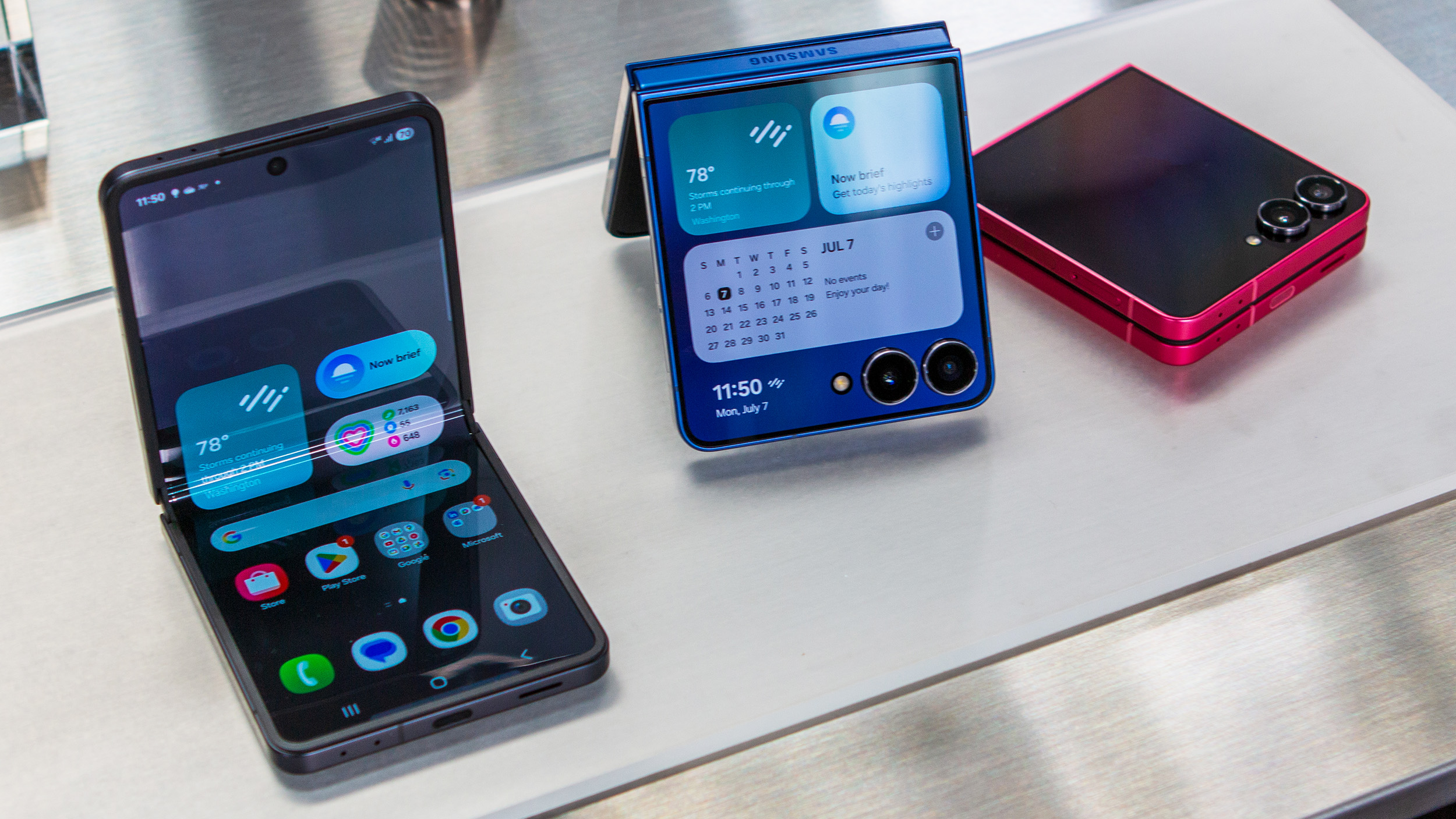
Samsung is preparing to launch the Samsung Galaxy Z Flip8 next summer alongside the Galaxy Z Fold8, and new reports from Korea suggest that the Flip8 will undergo a major design refinement. The device is expected to be at least 10 percent thinner and lighter than the Flip7, addressing consumer demand for more compact foldables. Early figures point to a thickness of around 6mm when open, 12mm when closed, and a weight close to 170 grams. These changes indicate Samsung’s intention to regain momentum in flip-style foldables after weaker-than-expected Flip7 sales.
This shift in design reflects broader competition in the foldable market. Chinese manufacturers have consistently released slim and lightweight foldable phones, putting pressure on Samsung to respond. With the Flip8, Samsung aims to meet modern expectations for portability, durability, and style. The company also sees the design update as a key factor in achieving its goal of a 10 percent sales increase over the previous generation.
A Slimmer and Lighter Design for Better Market Appeal
The decision to reduce thickness and weight aligns with Samsung’s renewed focus on improving usability. A lighter build makes the Flip8 more comfortable to use for extended periods, while a thinner profile enhances pocketability. These small but meaningful improvements can significantly influence user satisfaction, especially in a category where form factor remains one of the biggest selling points.
Samsung reportedly expects the streamlined design to help it reach a combined sales target of 6.7 million units for the Flip8 and Fold8. The company wants the new generation to perform better in global markets, particularly as competition intensifies. The changes also come after Samsung successfully slimmed down the Fold7 in the current generation, making the Fold lineup feel more modern and polished.
Responding to Market Pressure and Future Competition
One reason behind the lighter design push is the Flip7’s weaker performance compared to expectations. Consumers saw fewer meaningful upgrades between the Flip6 and Flip7, making the new model feel less compelling. Samsung hopes the Flip8’s slimmer frame will restore excitement and give fans a reason to upgrade.
Another factor influencing this redesign is Apple’s rumored entry into the foldable market in 2026. Industry analysts expect Apple’s foldable launch to expand overall category sales. However, it could also pull customers away from Samsung. To preempt this shift, Samsung is refining the Flip lineup to maintain its competitive advantage. By offering better portability, Samsung aims to protect its market share and appeal to users who value sleek hardware.
A Larger Strategy for Samsung’s Foldable Future
The Galaxy Z Flip8’s redesign mirrors the strategy Samsung applied to this year’s Fold7, which saw a major reduction in thickness and weight. However, the Flip7 remained close to the Flip6 in form and feel. The upcoming Flip8 is expected to receive the same transformative redesign that elevated the Fold series, signaling a renewed focus on balancing performance with physical refinement.
The foldable landscape continues to evolve quickly, and Samsung remains determined to lead. The Samsung Galaxy Z Flip8 will play a central role in shaping the next stage of that journey. As more details emerge over the coming months, leaks will likely reveal additional updates to the camera system, battery technology, and hinge durability. For now, the confirmed design improvements already promise one of the most portable and stylish foldables Samsung has released.